Tokyo office shorts policy highlights energy shift for Europe
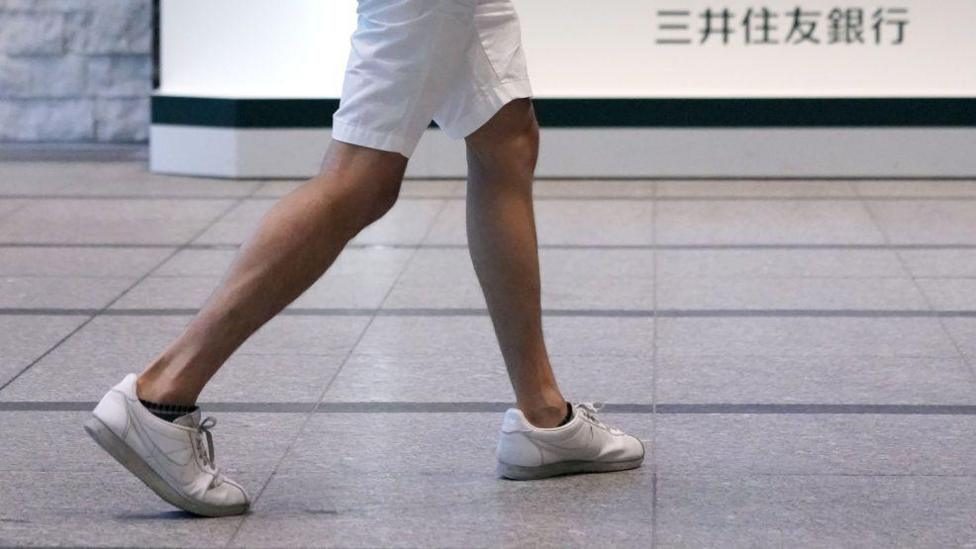
Tokyo's push for men to wear shorts at work to combat soaring energy prices offers a preview of the workplace adaptations European firms may face as summer heatwaves and volatile energy costs become the norm.
The Tokyo Metropolitan Government is actively encouraging male office workers to swap suits and ties for shorts and t-shirts. The shift is part of the expanded "Tokyo Cool Biz" initiative launched in April by Governor Yuriko Koike.
While the relaxed dress code has sparked office debates over grooming standards, the underlying motivation is strictly economic. Japan is battling record temperatures alongside soaring energy prices driven by Middle East instability. This is forcing a renewed focus on reducing corporate air conditioning consumption.
European businesses face these exact same compounding pressures: increasingly brutal summer heatwaves and an energy market that remains sensitive to global shocks. Japan’s approach of using dress codes as a macroeconomic tool to curb grid demand offers a preview of the adaptations European firms may eventually require.
The strategy is not new but is intensifying. Koike first introduced "Cool Biz" as Japan's environment minister in 2005 to cut national energy use, expanding it to "Super Cool Biz" after the 2011 Tohoku earthquake. Now, tech startups and traditional firms alike are broadly adopting the government's summer wardrobe guidelines to lower overheads.
The policy is generating unexpected social friction. A June survey by Gorilla Clinic found 53.5% of respondents opposed wearing shorts to work, with women significantly outnumbering men in their resistance due to concerns about male body hair. The phenomenon has even spawned the term "sunehara", or "leg hair harassment", describing the discomfort of seeing male colleagues' bare legs.
The shifting norms are already creating commercial demand. Akifumi Funatsu, director of Gorilla Clinic, noted a rise in men seeking laser hair removal as a matter of "social etiquette when wearing shorts". He attributes this to a growing perception among women that "men should have less leg hair".
The urgency behind these corporate adjustments is underscored by the physical toll of the heat. In the week ending July 12, seven people died and 4,580 were hospitalised with heatstroke in Japan, according to the Fire and Disaster Management Agency. The Japan Meteorological Agency has even coined the term "kokusho-bi" to categorise days exceeding 40C.
Experts from the Japan Academic Network for Disaster Reduction note that high humidity makes it harder for sweat to evaporate, reducing the body's ability to cool itself. This makes reducing energy-intensive air conditioning a matter of public health as well as economic necessity.
Tokyo officials frame the dress code shift as a necessary pragmatic response. "We want to give people more options in the severe heat, not tell them what to wear," said Noboru Watanabe, a Tokyo Metropolitan Government environmental official. "There should be no issue as long as the work attire is not offensive to anyone."