UK inflation falls to 2.6%, easing Bank of England rate hike pressure
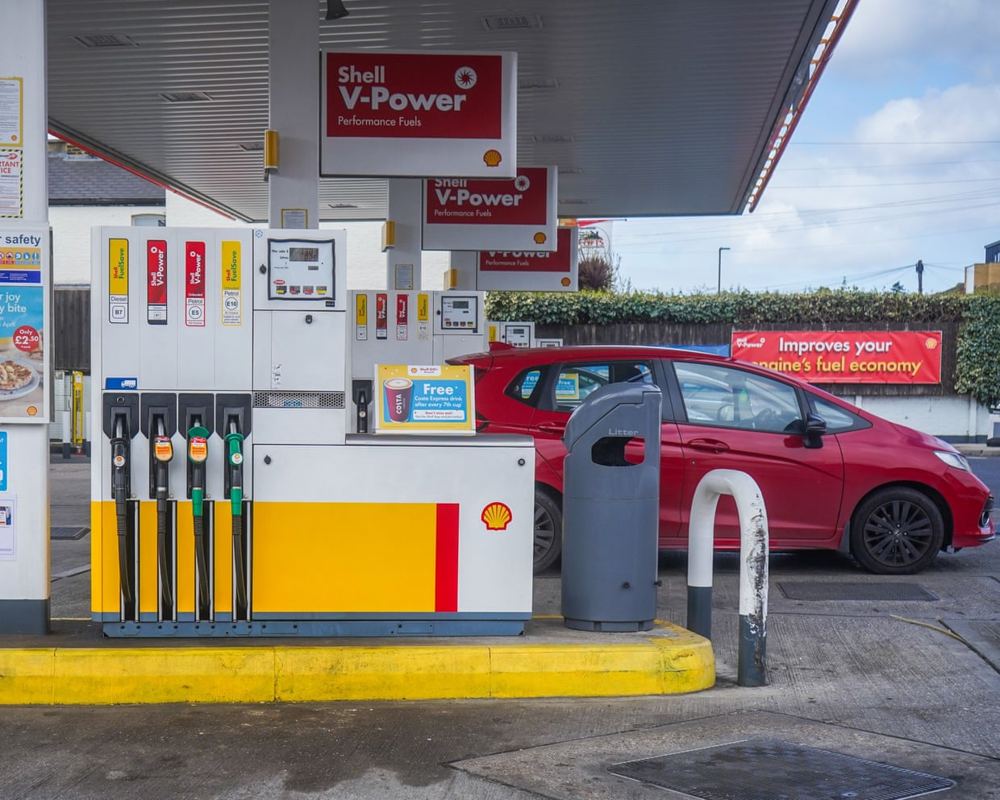
A sharper-than-expected drop in UK inflation to 2.6% reduces the immediate threat of an interest rate hike by the Bank of England, though rising energy costs threaten to reverse the trend later this year.
UK inflation fell to 2.6% in June, beating economists' expectations of a drop to 2.7% and down from 2.8% in May. The decline was driven by lower fuel prices, cheaper food, and steeper summer clothing discounts compared to a year ago.
The data reduces the immediate pressure on the Bank of England to raise interest rates from their current 3.75% when policymakers meet later this month. Several members of the central bank’s monetary policy committee had recently warned they might need to increase borrowing costs to tackle inflation running persistently above their 2% target.
The Office for National Statistics attributed the surprise drop to falling diesel prices, aided by a fragile truce in the Middle East, and cheaper groceries. “Food prices fell this month, driven by products including chocolate, margarine and beef,” said ONS chief economist Grant Fitzner. “The cost of raw materials dipped for the first time since January, mainly due to the lower price of crude oil.”
The newly appointed prime minister, Andy Burnham, is using the cooldown to advance a domestic cost-of-living agenda. Chancellor John Healey announced a winter VAT cut on electricity bills and a £2 cap on bus fares in England starting in January. Healey called the inflation dip “news families want to hear”, though opposition critics blamed the government for inflation remaining above target.
Despite the political optimism, economists warn the reprieve is likely temporary and the inflation trajectory faces significant headwinds in the second half of the year. Brent crude has recently climbed back above $90 a barrel following an escalation in Middle East hostilities. Furthermore, a 13% increase in the UK energy price cap took effect in July.
The National Institute of Economic and Social Research expects these factors to push inflation higher in the coming months. “Next month’s data will uncover the impact of the long-awaited increase in Ofgem’s energy price cap,” said associate economist Charlotte O’Leary, noting that the October cap will remain elevated as cooler weather arrives.
While the government's VAT cut on household electricity may alleviate some upward pressure, NIESR warned its impact will be limited as energy costs feed into industrial production. However, the think tank forecasts that cooling nominal pay growth will prevent a broader wage-price spiral. This dynamic should give the Bank of England enough room to hold interest rates steady even as inflation resumes an upward trajectory into the first quarter of next year.