BBC chatshow axed as A-listers pivot to podcast promotions
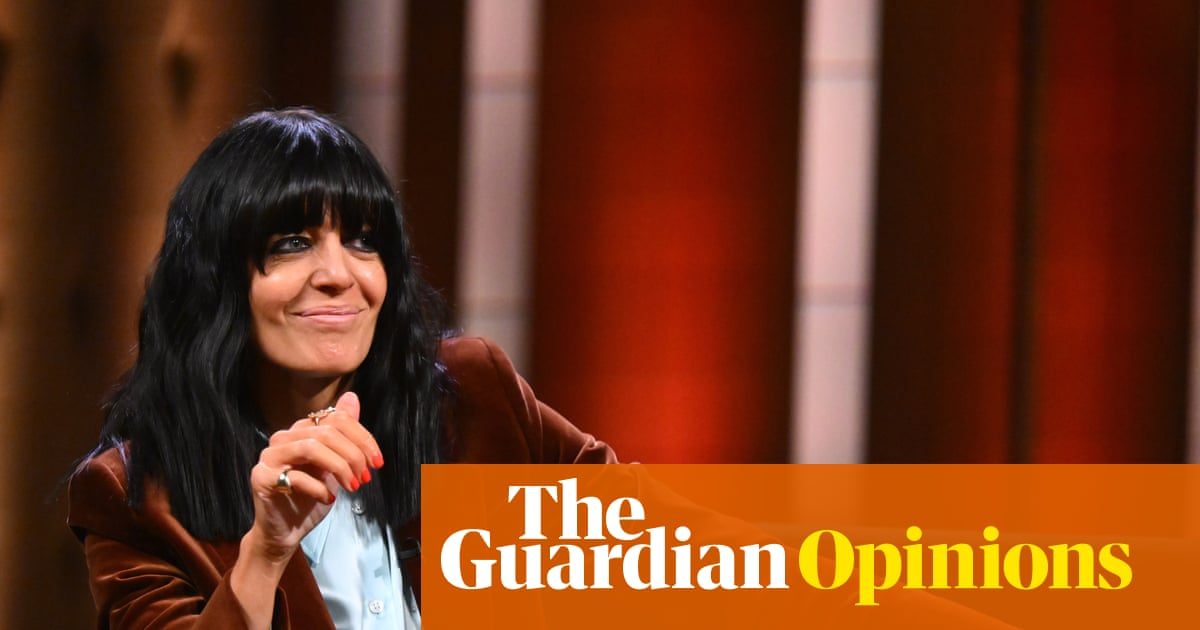
Claudia Winkleman has cancelled her BBC chatshow after one season, highlighting the existential threat podcasts now pose to traditional television's grip on celebrity promotion in Europe.
Claudia Winkleman will not return for a second season of her BBC chatshow, ending a brief run that launched in March to fill the gap while The Graham Norton Show was on hiatus. The decision was reportedly hers. “I was just too nervous to enjoy it,” she admitted, though the move comes as budget cuts ripple through the British public broadcaster.
The cancellation arrived after lukewarm reviews and underwhelming ratings. For the BBC, the financial calculus of a struggling prime-time format is increasingly difficult to justify. The traditional chatshow model—built around a giant sofa, a live audience, and brief promotional segments—faces an existential threat from a rapidly expanding podcast economy.
Historically, an A-list actor or musician with a project to promote in the UK had limited options, primarily visiting the BBC's Graham Norton or ITV's Jonathan Ross. Today, that promotional traffic is migrating to video podcasts. These digital formats offer celebrities longer, more in-depth conversations and direct access to highly engaged audiences. The market is currently dominated by male hosts, including Joe Rogan, Steven Bartlett, Louis Theroux and Romesh Ranganathan.
The television format has long been a rigid, male-dominated space. Attempts to place women at the helm of traditional chatshows, such as Lily Allen and Friends or The Charlotte Church Show, quickly collapsed. This historical resistance to female hosts highlights the structural limitations of broadcast television, limitations that digital platforms are successfully bypassing.
This shift is rewriting the media economy for presenters. In 2006, Davina McCall was roundly panned and quickly cancelled for her self-titled TV chatshow. Nearly two decades later, McCall is finding success hosting "Begin Again," a 2024 hit podcast interview series featuring guests like Fatboy Slim, Gisèle Pelicot, Richard E Grant and Gillian Anderson.
For European broadcasters, the economic implications are clear. The value of a traditional television sofa has depreciated as promotional budgets follow audiences to on-demand audio and video platforms. If Winkleman decides to attempt another interview series, her most viable path forward will likely involve abandoning the live audience and bypassing traditional television entirely.