EU powers invite influencers to summits amid ethics grey zone
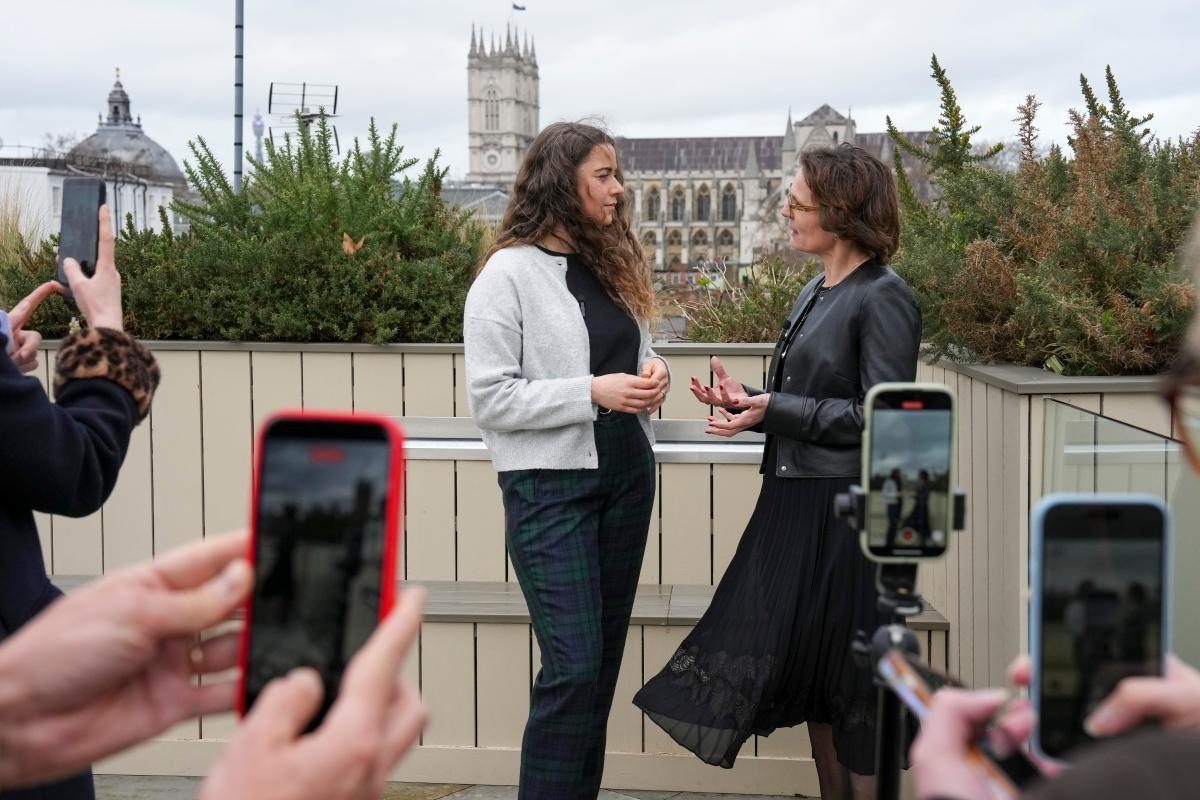
The European Council has launched a programme to bring social media creators into its summits, a strategy that offers institutions direct access to younger voters but operates in an accountability vacuum that critics call propaganda.
The European Council began a year-long initiative on 1 July to grant social media creators behind-the-scenes access to its buildings during summits and regular working days. The programme covers travel and food but offers no financial compensation, following a pilot project in May.
The effort reflects a broader pivot across Brussels as the Commission, Parliament, and Nato court content creators to reach a demographic abandoning traditional news. A 2024 European Parliament survey found 42 percent of Europeans aged 16 to 30 use social media as their primary information source, surpassing television, while a recent Reuters report put overall social media news consumption at 54 percent.
The Council's cohort intentionally blends policy-focused communicators with lifestyle, comedy, and fashion influencers. "Some people can explain how the institutions work, while others expose the institutions to audiences who normally would not see them," said Pietro Valletto, a creator who participated in the May pilot.
However, this curated access came with strict limits. Creators were accompanied at all times, given dedicated time to film aesthetic material, and barred from core journalistic spaces. "We couldn’t ask questions," Valletto said, recalling that they did not see any minister meetings.
Institutions defend the strategy as vital outreach as the global creator economy nears an estimated $41.8bn (€36.6bn) in 2026. Yaëlle Assous, a content creator specialist at the European Commission, argued that creators act as a necessary bridge to translate EU activities into human stories.
Yet the strategy operates in a regulatory void. While France and Germany have tightened rules forcing influencers to label sponsored content, no equivalent transparency requirements exist at the EU level.
"If content creators are not able to ask any questions, if they are just literally being shown around, then for me it is a propaganda exercise," said Chloé Mikolajczak, a Brussels-based activist. "The big question is: who is selecting these people? What are the criteria? Are these criteria transparent?"
The potential for blurred lines is already visible beyond the EU institutions. Nato invited Oskar Barami, a 25-year-old Slovak influencer, to its Ankara summit on 7-8 July. Barami faces criticism over his close ties to Slovakia's ruling coalition, highlighted earlier this year when he ate breakfast on the Slovak government's official plane alongside environment minister Tomáš Taraba.