UK's Burnham faces bond market test over spending ambitions
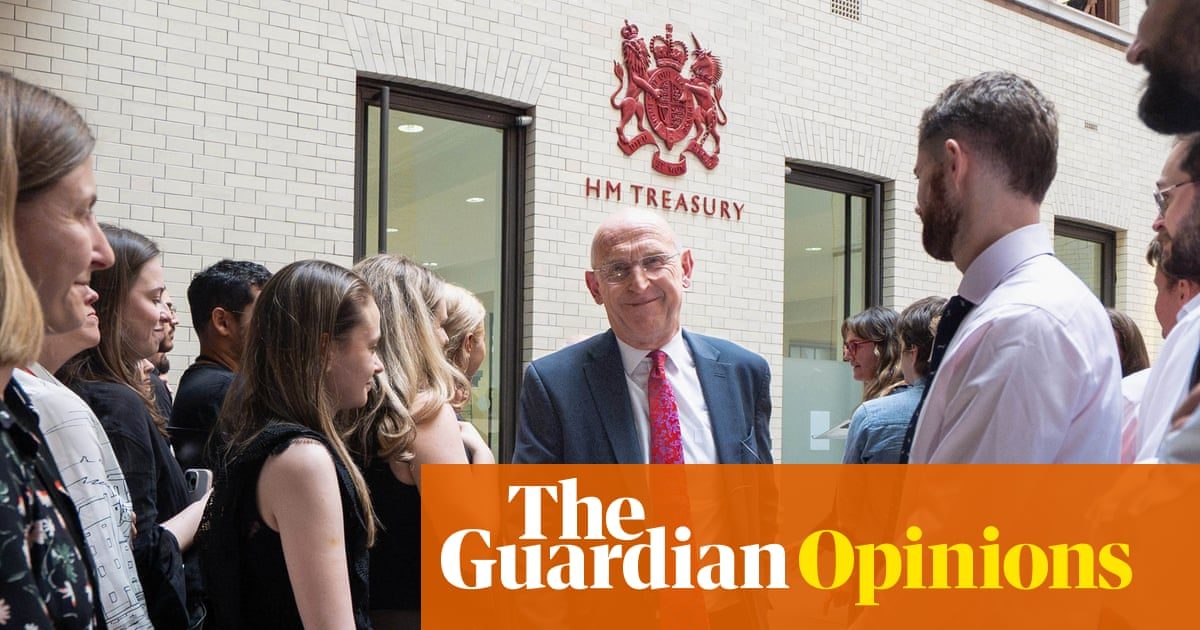
New British Prime Minister Andy Burnham's plans to reverse decades of economic orthodoxy face an immediate collision with strict fiscal rules and bond markets demanding high interest rates.
Andy Burnham has taken office as British prime minister, replacing Keir Starmer with a promise to reindustrialise the country and roll back four decades of Thatcherite economic policy. He has moved quickly to distance himself from his predecessor, reversing Starmer's unpopular means-testing of winter fuel payments for pensioners. The new cabinet also features a stronger representation from northern England and the removal of Starmer loyalists.
Initial economic measures have been largely symbolic but carefully targeted. A cut to VAT on electricity bills and a cap on bus fares are designed to project optimism and address the cost of living. These moves signal an attempt to reconnect the Labour Party with its working-class base, viewing the right-wing Reform UK party as its primary electoral threat rather than the traditional conservative opposition.
However, Burnham's broader economic agenda faces a formidable obstacle in the form of the Treasury. Chancellor John Healey has stated that meeting existing fiscal rules is his absolute top priority. This puts the new administration on a collision course with its own goals, as it attempts to reconcile tight public finances with expensive plans to reshape the British economy.
The immediate fiscal test involves funding a fully funded defence investment plan. When Healey previously served as defence secretary, the Treasury denied him this funding, prompting his resignation. Now at the helm of the economy, he must find the money without spooking investors. The bond markets are already charging the government 5% interest on its debt, leaving little room for fiscal slippage.
Hopes that stronger economic growth might naturally generate the required revenue look increasingly fragile. The continued closure of the Strait of Hormuz is causing oil prices to creep upward, squeezing household and business budgets. While Healey has floated the idea of war bonds to cover defence costs, this is simply borrowing by another name. Tax rises in the autumn budget now appear unavoidable.
For European companies operating in the UK, the government's political positioning on migration will have direct operational consequences. By keeping Shabana Mahmood as home secretary, Burnham has confirmed a strict approach to border control. Businesses accustomed to filling staff shortages with overseas labour will now be forced to recruit and train UK-born workers, ending the era of unlimited cheap imported labour.
Burnham is attempting to establish an economic power base inside Number 10 to counter the Treasury's institutional influence. He has announced a forthcoming 10-year plan for change. Yet the political calendar offers no such luxury. A general election is due within three years, meaning the new prime minister must quickly translate his anti-austerity rhetoric into tangible results before financial markets lose patience.