UK PM swaps climate aid grants for loans to cap bus fares
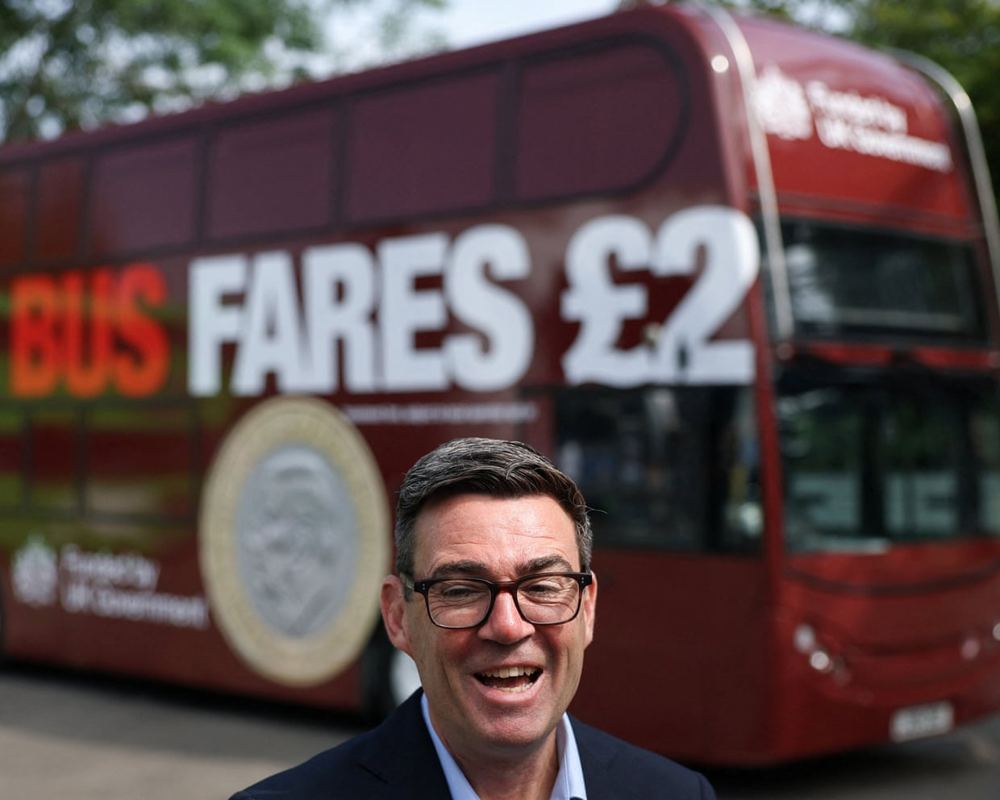
Prime Minister Andy Burnham is funding a domestic cost-of-living measure by converting international climate donations into repayable loans, a move charities warn will saddle developing nations with debt and diminish Britain's global standing.
Prime Minister Andy Burnham has announced a reduction in England’s bus fare cap from £3 to £2 for 2027, a scheme costing more than £500 million. To finance £400 million of that bill, the government will convert international climate donations into repayable loans rather than use domestic taxation. During a visit to Bath, Burnham said the policy would "really help people with the cost of living pressures they’re facing" and "put money in people’s pockets."
The accounting manoeuvre allows Downing Street to borrow against these new loans without breaching its fiscal rules. However, structuring climate finance as debt means the funds are likely to flow to middle-income nations like Brazil or India that can reliably repay them, rather than the world’s poorest countries. Officials indicated the money could support initiatives like the Tropical Forests Forever Facility, an anti-deforestation scheme launched by Brazilian President Luiz Inácio Lula da Silva.
This shift marks a continued erosion of the UK’s foreign aid budget. The previous government promised the aid budget would stay at 0.3% of national income after cutting it to fund defence spending, but charities warn this latest move further undermines Britain’s reputation as a reliable global partner. The downgrade was signalled earlier this week when the new aid minister, Kirsty McNeill, was excluded from cabinet.
Aid organisations have sharply criticised the funding mechanism. Joanne O’Neill of ActionAid UK said the proposal "throws global south countries under the bus, penalising those most impacted by a climate crisis they did not create." She warned that forcing developing nations to repay climate finance diverts funding away from health and education.
The economic implications extend beyond the charity sector. Monica Harding, the Liberal Democrat spokesperson for international development, noted that swapping grants for loans will ultimately harm British security. "Racking developing nations with more destabilising debt... will only harm Britain’s security in the long run, fuelling more migration and instability abroad," she said.
Romilly Greenhill, chief executive of Bond, accused Burnham of "robbing Peter to pay Paul" by pitting domestic cost-of-living relief against international climate vulnerabilities. Danny Gross of Friends of the Earth called the decision "nothing short of a travesty," given that the UK is already falling short on its fair share of climate finance. Furthermore, because loans only count as overseas development spending if offered at a significant discount to market rates, the switch could effectively reduce the total amount of aid the UK is legally recorded as giving.