UK locks in £6.5bn aid cuts, pivoting from grants to market investments
The outgoing UK government has quietly locked in deep aid budget reductions, shifting strategy from direct humanitarian funding to profit-seeking infrastructure investments that cede ground to geopolitical rivals.
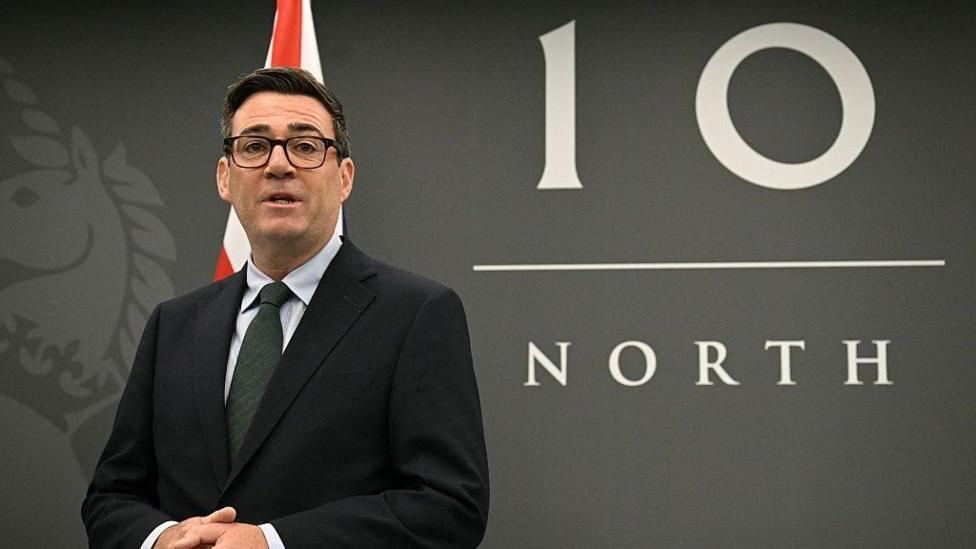
The Foreign, Commonwealth and Development Office published its 2026-2029 aid allocations last week, timed alongside the handover from Keir Starmer to Andy Burnham. The document locks in a further £6.5bn reduction to an already diminished £13bn aid budget before the next general election, cementing a structural retreat from frontline humanitarian support.
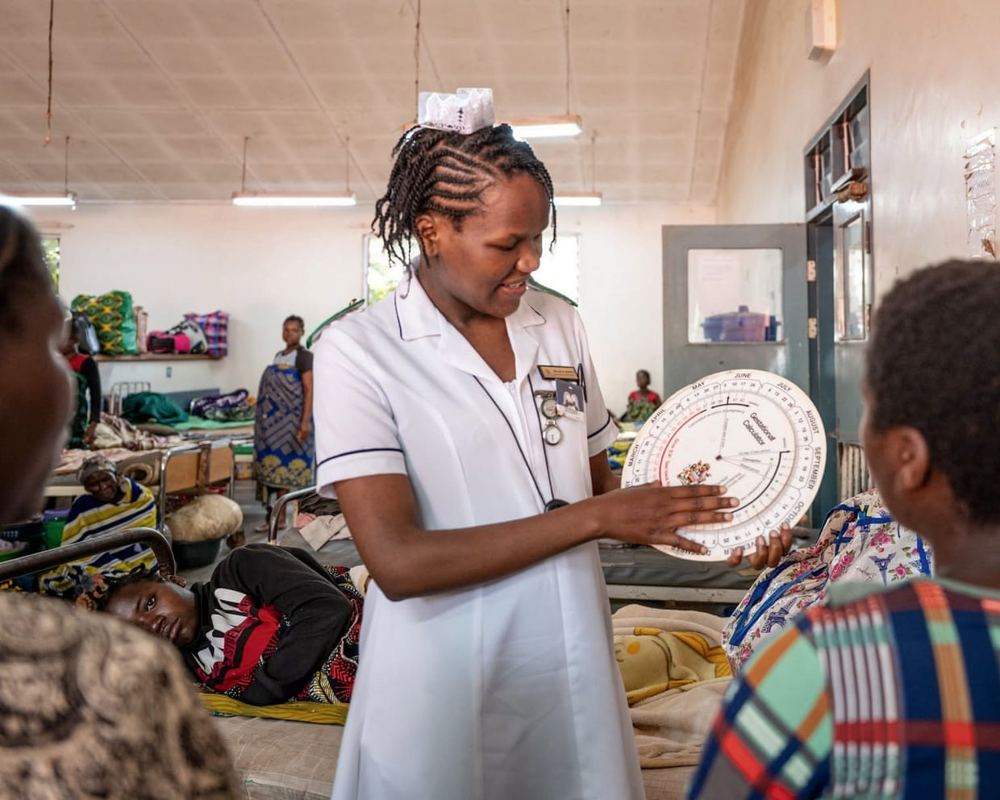
The financial contraction is most severe in Africa, a continent set to lose over half of its bilateral UK support. Malawi, where three-quarters of the population lacks electricity, will see its allocation plummet from £50.2m to £5m by 2028-29. The FCDO’s own equality assessment concedes the policy will "inevitably have negative impacts," projecting 2,400 additional maternal deaths and 600,000 more unsafe abortions due to a 30% cut to the Wish reproductive health programme.
Beyond the immediate human cost, the blueprint represents a fundamental shift in how Britain deploys capital in developing markets. The strategy abandons direct service funding in favor of what the FCDO terms a transition from "donor to investor, service delivery to system support, grants to expertise."
British International Investment (BII), the government-owned development finance institution, is the primary vehicle for this transition. BII will deploy up to £8bn over the next five years, the same volume as the previous five, while aiming to attract £6bn to £7.5bn in private capital. Because these investments must be repaid, capital will flow toward profitable sectors like banks, power grids and telecoms, bypassing unprofitable health and education services.
The remainder of the shrinking budget will be routed through multilateral institutions like the World Bank, where the UK assumes a "shareholder" role. This removes direct parliamentary accountability over taxpayer funds, a politically sensitive shift that mirrors the populist grievances driving Brexit.
For European allies, the UK's strategic withdrawal carries distinct economic and geopolitical risks. The retreat from direct aid creates a vacuum in regions where Chinese soft power is actively expanding. Furthermore, the new prime minister inherits a stark contradiction: a leader expected to bring failing domestic utilities like Thames Water into public ownership because markets fail to deliver essential goods is now relying on those exact market forces to drive development in the world's poorest nations.