Castilla-La Mancha launches 2,180km EU-funded cycling network
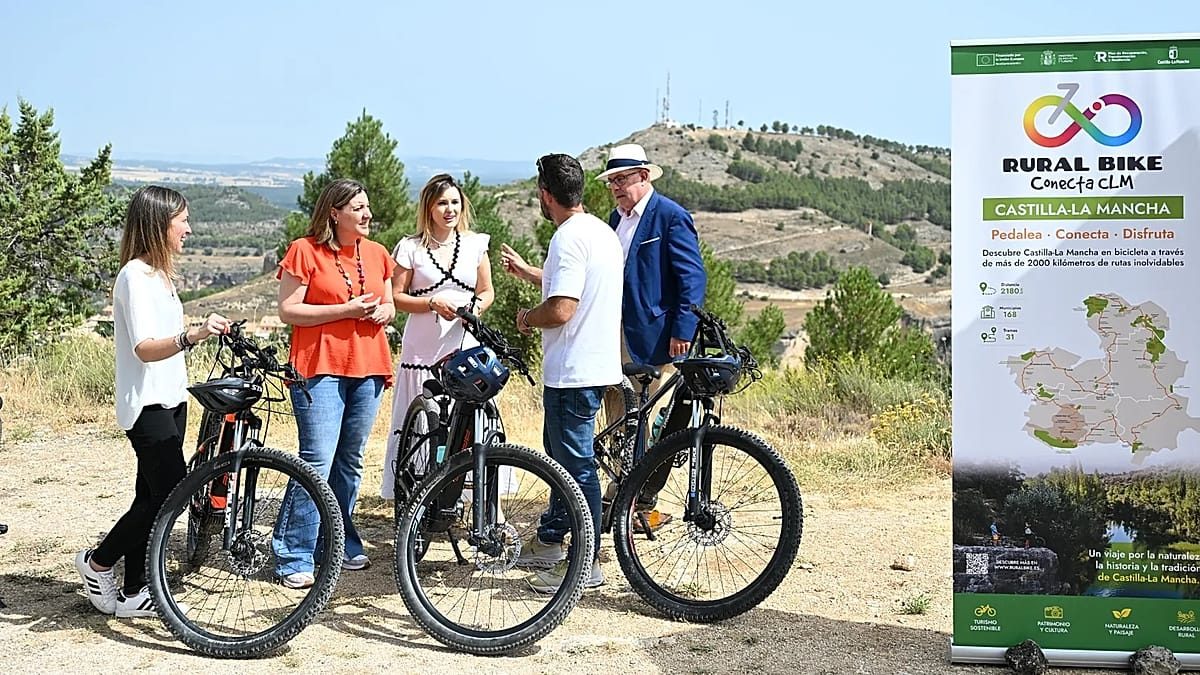
Castilla-La Mancha has opened a 2,180km cycling network using €2.4 million in EU recovery funds, aiming to sustain a sharp tourism boom by linking its rural municipalities to a continent-wide route.
Castilla-La Mancha has opened the Rural Bike Conecta CLM, a 2,180-kilometre cycling network spanning 168 municipalities. The infrastructure project was backed by a €2.4 million investment from European Next Generation funds. Over 3,200 signposts have been installed to guide travellers through provincial capitals and remote rural enclaves.
The rollout is designed to capitalize on a sudden surge in regional tourism. According to the Exceltur Barometer, which tracks Spanish tourism performance, Castilla-La Mancha posted the highest sector growth of any autonomous region in the second quarter of the year. Regional authorities view the new network as a way to lock in those economic gains.
Patricia Franco, the regional minister of economy, business and employment, said the infrastructure targets travellers who "seek to enjoy nature and active tourism, because this network is also a starting point and route throughout our region”. She added that the project will “help us strengthen and consolidate our tourism prospects, which are very positive so far this year”.
The route connects two national parks, seven natural parks, and two UNESCO Global Geoparks, anchoring the region's appeal to the eco-conscious travel market. These reserves include Tablas de Daimiel and Cabañeros, which feature a combined 19 walking routes to complement the cycling paths. Franco noted that the cycling network showcases the region’s sustainable landscapes.
The long-term commercial strategy extends well beyond Spain's borders. Plans are underway to integrate the Rural Bike Conecta CLM into EuroVelo, a network of 17 long-distance cycling routes spanning the continent. Connecting to routes that link cities like London, Amsterdam, Brussels and Athens could funnel international cycle tourism spending directly into Castilla-La Mancha's interior.
The project highlights how European recovery funds are being used to reshape local economies. By pivoting toward active tourism, the region is attempting to distribute visitor spending away from saturated coastal resorts and into rural areas. The €2.4 million investment in signage and route coordination represents a low-cost infrastructure play with the potential to stimulate rural business development.