Underground festival repurposes Blackpool's Victorian tourist infrastructure
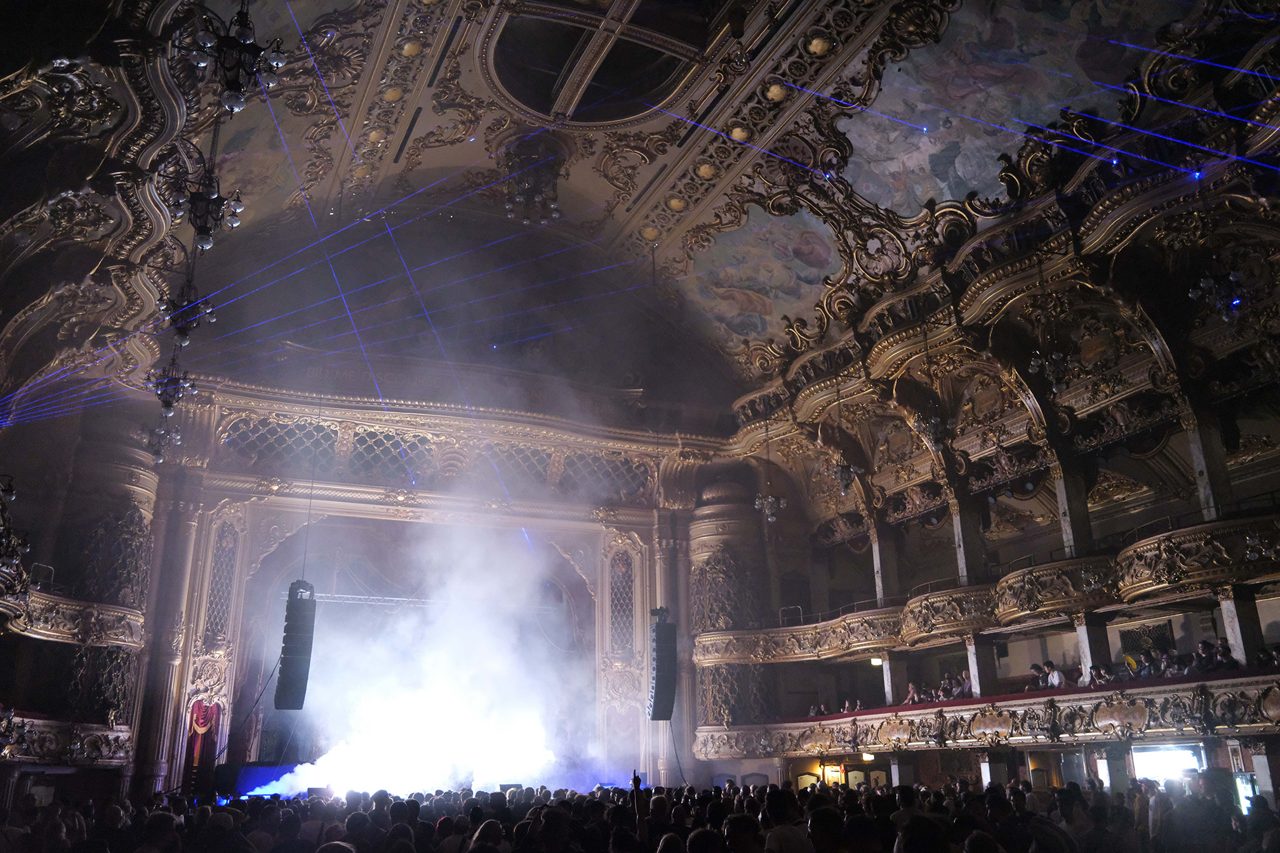
A new experimental music festival sold out instantly in one of England’s most deprived coastal towns, highlighting how existing Victorian infrastructure can attract a new wave of cultural tourists.
The Black Lights, a new three-day festival from the team behind Salford’s The White Hotel, sold out almost immediately upon its announcement for its late June run. The event took over more than 20 venues across Blackpool, merging experimental music and art with the seaside town's traditional tourist infrastructure. It drew large crowds to a location currently grappling with severe economic decline.
Blackpool presents a stark economic paradox for urban planners. While it remains the most visited seaside resort in Britain, 40% of its boroughs fall within the 10% most deprived areas in England. Tourism officials have reported significant drops in overnight and multi-day visitors since affordable overseas travel became the norm, piling heavy pressure on the town's aging Victorian amenities.
For the festival’s organisers, this very decay is a primary asset. Rather than requiring new construction, The Black Lights leverages Blackpool’s abundant, albeit dilapidated, visitor infrastructure. Performances by acts like the BBC Philharmonic, Kali Malone, and Mark Fell were staged everywhere from the 3,500-capacity Winter Gardens to the Tower Ballroom and the Houndshill Shopping Centre.
“Blackpool does half the work before you’ve even booked an artist,” said Austin Collings, Creative Director of The White Hotel. He noted that the dense concentration of venues, from old pubs to the Pleasure Beach, creates a built-in atmosphere that eliminates the need for artificial festival ecosystems. This represents a highly capital-efficient model for event organisers compared to traditional greenfield festivals.
The festival's rapid sell-out suggests a viable, if niche, economic strategy for struggling coastal towns across Europe. By pivoting from low-margin mass tourism to targeted cultural events, municipalities with heavy historical built environments can monetise their architectural heritage without costly redevelopment. The proximity of the venues, mostly within a 10-to-20-minute walk, further maximises the spending potential within the local town centre.
As traditional seaside economies continue to contract under the pressure of cheap international flights, Blackpool’s experiment offers a potential blueprint. The juxtaposition of underground electronic music against fading grandeur is more than a curatorial aesthetic. As Collings noted, Blackpool is “a town that has accumulated stories instead of throwing them away,” and finding ways to monetise those accumulated assets is a practical necessity for its economic survival.