Tomorrowland restricts fireworks and camping amid Belgian wildfire warnings
Belgium’s flagship electronic music festival has curtailed its signature pyrotechnics and camping facilities due to severe drought conditions, highlighting the growing operational vulnerabilities of the European live events sector to climate risks.
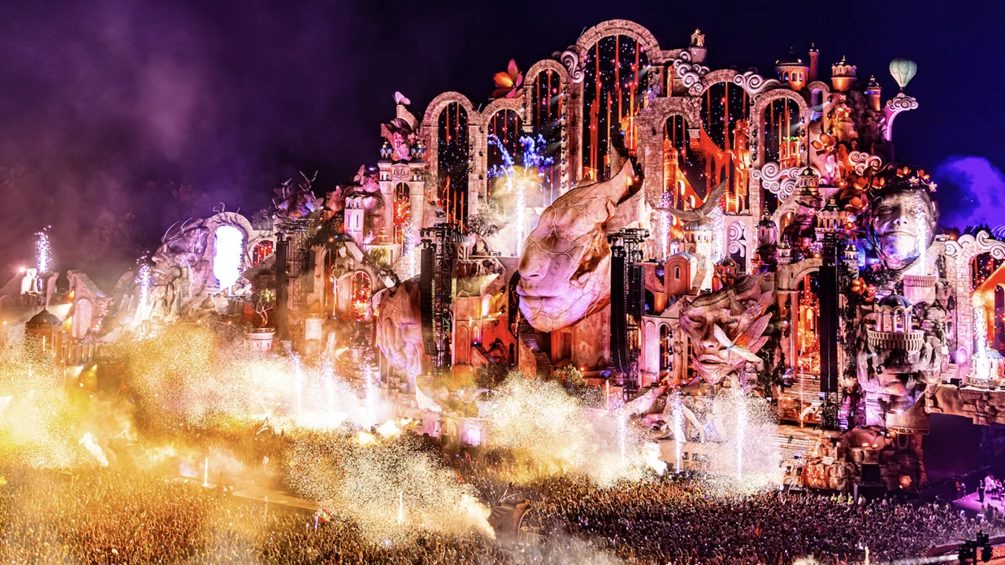
Tomorrowland’s second weekend, which began on Thursday 23 July, is proceeding without large-scale fireworks, permitting only limited pyrotechnics at the Main Stage. Local authorities in the Belgian host town of Boom imposed the restrictions due to prolonged dry weather and elevated regional fire risks.
The approved pyrotechnics are restricted to T1 and T2 effects, which require shorter safety distances and allow for full operational control. Festival organizers emphasized that these are not the traditional high-altitude fireworks, and their use remains subject to daily safety assessments in consultation with local authorities.
The operational adjustments extend to the festival’s extensive camping infrastructure. A ban on personal barbecues and private cooking equipment remains strictly enforced across the campsite, with attendees directed to supervised communal cooking areas in designated locations.
These measures arrive as Belgium remains under a Code Orange wildfire risk warning, the second-highest alert level issued by national authorities. The situation underscores a mounting challenge for the European live events industry, where climate volatility is increasingly dictating production capabilities.
For major event operators, adapting to environmental regulations is no longer a peripheral concern but a core operational imperative. Restrictions on signature elements like fireworks directly impact the consumer experience and require rapid, costly logistical pivots to maintain compliance and ensure public safety.
Despite the scaled-back production elements, the festival continues its run until late Sunday night. The lineup features prominent electronic music artists, including Armin van Buuren, Calvin Harris, ALOK, Indira Paganotto, Miss Monique, and Mall Grab.
The ongoing restrictions at Boom serve as a practical case study in climate adaptation for large-scale gatherings. As extreme weather patterns become more frequent, European festivals will face intensified scrutiny over their environmental footprint and emergency preparedness.