Fatal Montana bear attack exposes limits of standard safety gear
A newly released report on the death of a hiker in Glacier National Park reveals that even proper use of bear spray cannot compensate for hiking alone in the dark, a critical safety gap for the growing number of European tourists visiting North American wilderness.
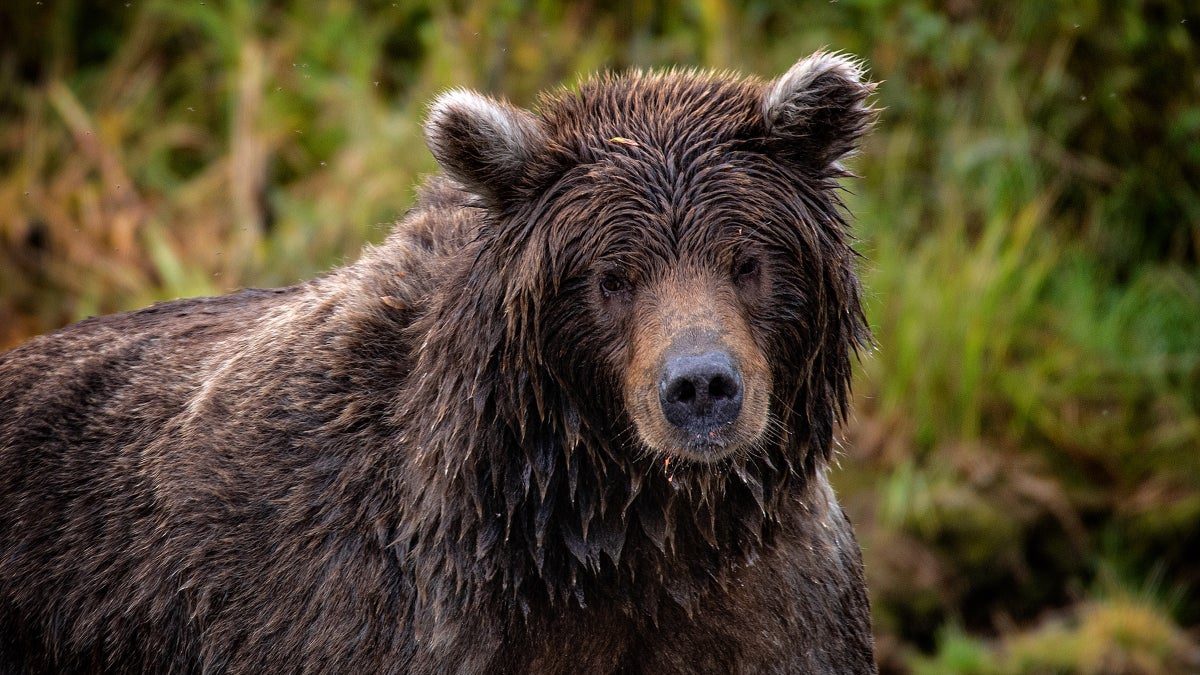
On May 3, Anthony Pollio, a 33-year-old visitor from Florida, was killed by a grizzly bear while hiking Glacier National Park’s Mount Brown Trail in Montana. A July 20 report by multiple US wildlife agencies concluded the attack was defensive, but it has reignited concerns about backcountry safety protocols that European travelers may underestimate.
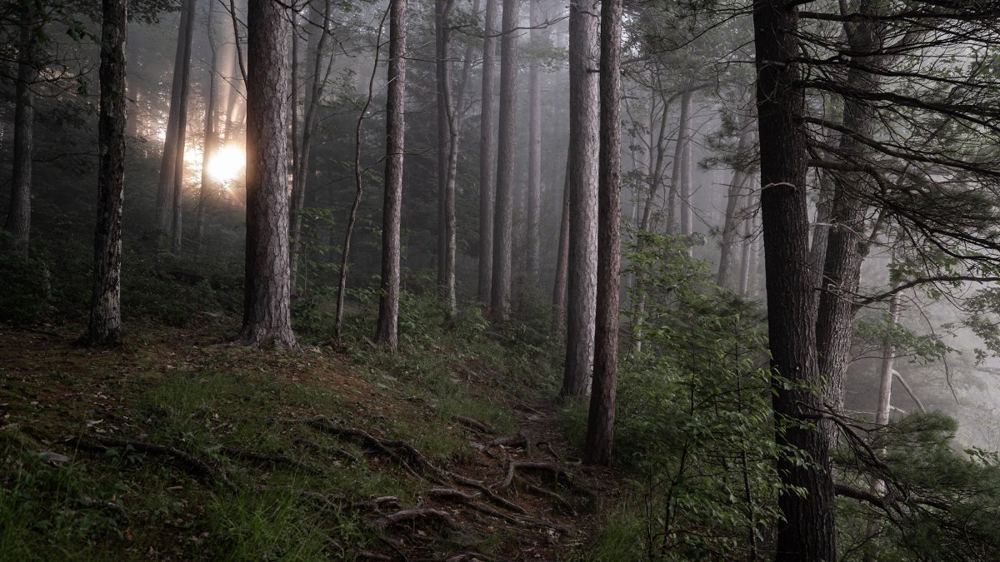
Pollio was navigating the strenuous ten-mile trail alone after sunset. Investigators determined that fallen trees and near-total darkness prevented both the hiker and a 15-year-old male grizzly from detecting each other until a surprise encounter became unavoidable.
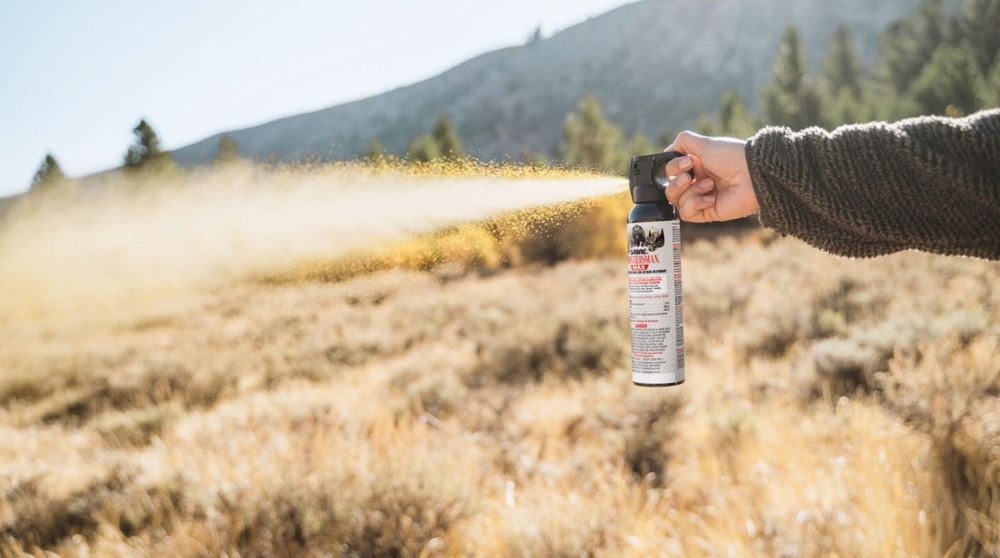
Despite discharging a canister of bear spray, a standard safety tool heavily marketed to park visitors, investigators could not determine if the chemical reached the animal. The steep slope of the trail and the sudden nature of the uphill charge likely rendered the spray ineffective. “It’s not a magic solution that’s always going to keep you safe,” said Chris Servheen, a grizzly bear expert who spent 35 years with the U.S. Fish and Wildlife Service.
For Europeans accustomed to hiking in environments largely free of large predators, the incident underscores a stark difference in risk. While carrying bear spray is common advice, the report emphasizes that preventative measures are far more critical. “Hiking in the dark in grizzly habitat is a really bad idea, because they’re active at night,” Servheen noted.
The timeline shows Pollio began his hike at 6:30 P.M. and texted his girlfriend at 8:20 P.M. that he had climbed over 2,000 feet. Sunset was at 8:49 P.M., and last light faded at 9:24 P.M. Investigators believe the attack occurred between 9:20 P.M. and 9:35 P.M. as Pollio turned around in deep snow near the summit.
The review found no evidence the bear treated Pollio as prey, noting the animal had no prior history of aggression. The fatal injuries were the result of “crushing bites to the head” during a brief defensive reaction. For the European travel sector, where US national park visits are a major draw, the findings highlight that standard equipment cannot replace basic situational awareness in predator country.