Extreme Occupational Hazards Persist in Niche Manual Labor Markets
Anecdotal evidence highlights how high-risk, low-skill jobs continue to attract workers seeking to fund adventure sports, despite elevated mortality rates and minimal entry barriers.
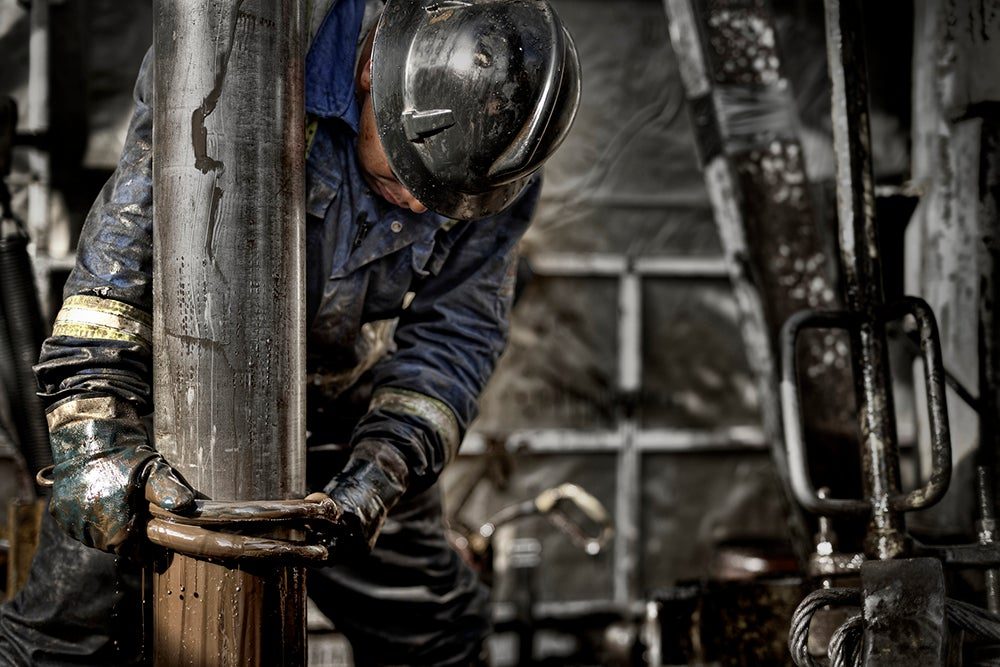
High-risk manual labor roles continue to attract workers seeking to fund adventure sports, despite elevated mortality rates and minimal entry barriers. Occupational data indicates that oil rig workers, or roughnecks, face a death rate eight times higher than the average for most other professions. Despite this severe risk, the sector attracts employees due to rapid overtime accumulation, with time-and-a-half pay triggered after just 40 hours.
This accelerated earning potential can generate significant capital for workers. One roughneck reportedly earned enough to purchase an airplane, illustrating the financial upside that can fund extensive travel. This income can also grimly provide for a family memorial following workplace fatalities involving heavy pipes or falls from a derrick.
Other low-skill roles provide intense physical conditioning with different risk and reward profiles. Roofing requires carrying 80-pound bundles of shingles in temperatures ranging from zero to over 100 degrees. An average roof demands 120 loads, and workers may carry up to 160 pounds at once to accelerate completion, trading physical toll for scheduling flexibility that allows months of absence.
The seismic survey industry similarly relies on intense manual labor. Workers are employed to carry 100-pound rolls of cable across swamps, deserts, and mountains to connect to a "thumper" truck. This equipment sends small earthquake vibrations into the ground, allowing geologists to read EKG-like waves for oil or gas deposits, while laborers receive weekly paychecks for repetitive exertion requiring no special training.
Service industry positions offer alternative pathways with negligible training requirements. Fast-food cooking and hotel housekeeping require as little as 15 minutes of specialized instruction. While compensation is lower than in extractive industries, these roles effectively eliminate living expenses such as food bills, with one worker noting they produced 100 Coney dogs in five minutes at an A&W restaurant at age 15.
Seasonal resort work presents unique managerial and operational challenges for employers. At a cross-country ski resort near Mammoth Lakes, California, workers are tasked with clearing up to 20 feet of snow from a lodge and 21 guest cabins. In one documented instance, employees were terminated by the owner, known as "Boss John", after abandoning these duties to pursue recreational ice climbing on a nearby mountain.
These accounts illustrate a micro-economy where workers trade physical toll and severe safety risks for recreational funding. This dynamic highlights an unconventional intersection between manual labor markets and the adventure sports economy.