EU freezes Russian oil price cap in largest sanctions in four years
The European Union has imposed its largest sanctions package in four years, freezing the Russian oil price cap at $44.10 and severing Moscow’s remaining financial links to the global economy.
The EU adopted its most extensive sanctions package in four years on Friday, targeting 218 individuals and entities to cripple Russia's war economy and close evasion loopholes.
At the centre of the economic measures is a freeze on the Russian oil price cap, locking it at $44.10 per barrel for the next 12 months. This blocks an automatic increase that would have pushed the limit to roughly $58.50, maintaining tight pressure on Moscow's primary export revenue stream.
The package effectively walls off Russia's formal financial system from Europe. A full asset freeze now applies to 94 Russian financial institutions, while 33 banks are disconnected from the Swift messaging network. For the first time, the Moscow stock exchange itself has been added to the sanctions list.
EU foreign policy chief Kaja Kallas said the measures target over 100 banks and cryptocurrency operators, alongside more than 40 vessels from Russia's shadow fleet. Crucially for European enforcement, the sanctions reach beyond Russian borders to hit financial intermediaries in countries including India, China, Turkey, the United Arab Emirates and Georgia that helped bypass existing restrictions.
The economic pressure extends deep into Russia's military supply chains. More than 50 military-industrial entities were sanctioned, focusing on producers of long-range Garpiya drones and a satellite communications system built to rival Starlink. An additional 51 companies in third countries face new export bans on dual-use technology.
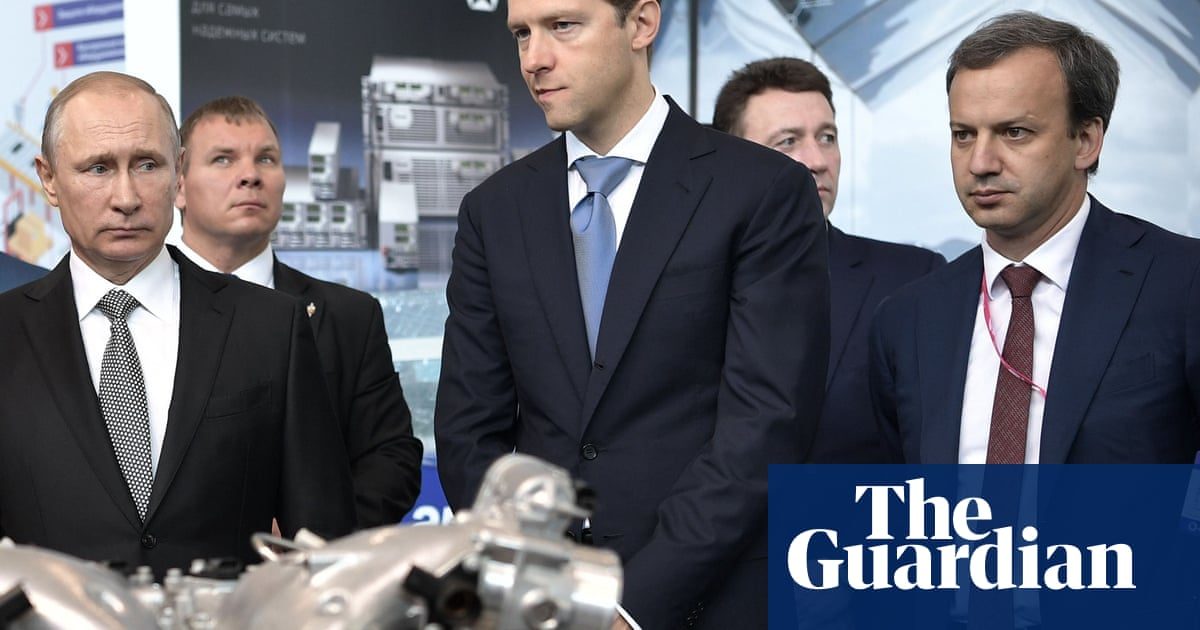
The expanding sanctions net is also producing collateral damage in unexpected areas. Arkady Dvorkovich, a former Russian deputy prime minister who serves as president of the International Chess Federation, suspended his role after being placed on the EU list. Dvorkovich called the move "unlawful and unfair", and Indian champion Viswanathan Anand will take over as interim president.
The new designations bring the total number of sanctioned Russian individuals and entities to nearly 3,000. The measures were announced as the conflict continued to inflict a heavy civilian toll, with a Russian strike on a food facility in Pavlohrad killing three people.