Dubrovnik curbs cruise ships to balance tourism and housing
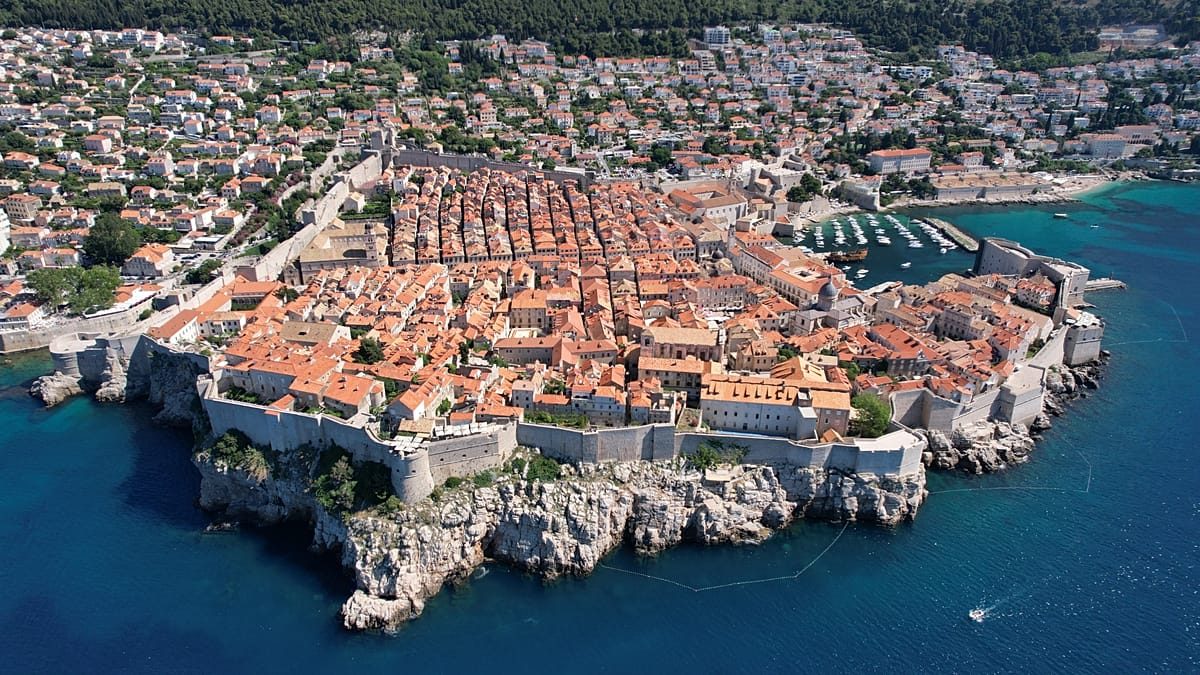
Croatia's premier destination is using staggered arrivals and data tracking to manage record visitor numbers, warning that uncontrolled short-term rentals risk turning European cities into "ghost towns.
Dubrovnik has implemented a strict, data-driven management system to control tourist flows, capping cruise ships and requiring advance bookings for coach operators. The measures come as the city recorded nearly 650,000 arrivals and two million overnight stays between January and mid-July.
Mayor Mato Franković, who took office in 2017, said the city is no longer letting tourism simply "happen" on its own. Under the "Respect the City" initiative, authorities have divided visitors into distinct sectors, cruise passengers, day-trippers, and overnight guests, to prevent the severe congestion that once made the UNESCO-listed Old Town nearly impassable.
The city now restricts its port to a maximum of two cruise ships and 4,000 passengers at any given time, with mandatory minimum stays of eight hours. Coach operators arriving from neighbouring countries and nearby islands must use the city's bus webshop scheme to reserve entry slots, allowing officials to stagger arrivals and prevent bottlenecks.
For overnight visitors, the digital Dubrovnik Pass serves as both a ticket and a management tool, sending alerts about the best times to visit crowded sites. People counters installed throughout the historic centre feed real-time footfall data to the University of Dubrovnik to refine these policies.
The threat to local housing
While cruise management addresses immediate physical crowding, Franković warned that the broader economic threat to European cities comes from short-term rentals. He argued that unregulated holiday apartments are actively displacing permanent residents and hollowing out urban communities.
"Short-term rentals are killing cities because step by step, they push residents out and turn living neighbourhoods into tourist apartment zones," the mayor said. The Old Town’s permanent population has plummeted to just 1,500 residents, down from 5,000 in 1991.
In response, Dubrovnik is converting underdeveloped tourism zones into affordable housing to keep locals in the city. Franković noted that European municipalities are increasingly sharing strategies to combat these shared housing pressures.
Despite expecting more than 661,000 cruise passengers across 461 ship calls in 2026, Dubrovnik's goal is not endless expansion. "My hope is that someone will return in 30 years’ time and find the same Dubrovnik," Franković said.