18th century Katherine Read portrait valued at £100,000 after discovery
The authentication of an 18th-century portrait by Scottish artist Katherine Read highlights the ongoing market and historical re-evaluation of pioneering female artists who were written out of the European canon.
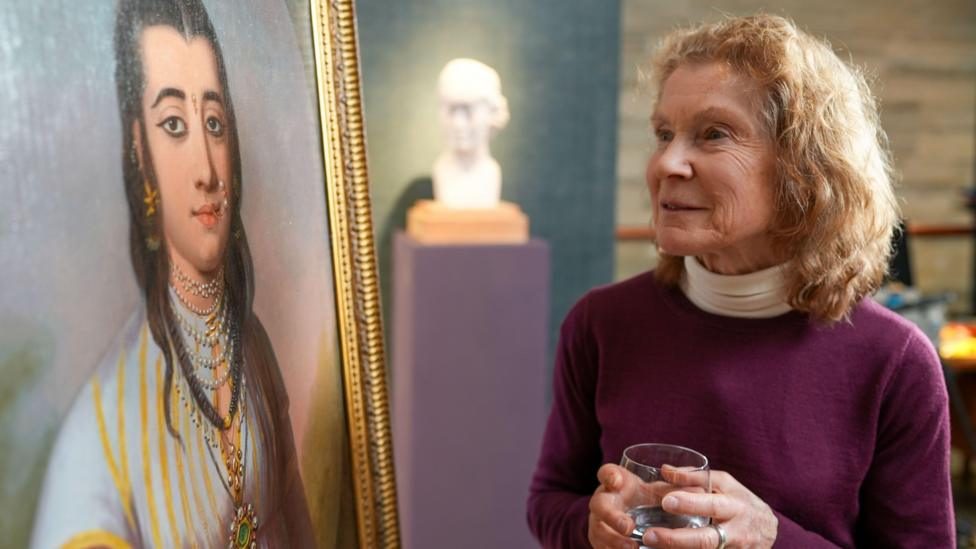
An 18th-century painting by the Scottish artist Katherine Read has been authenticated and valued at more than £100,000, after being brought to experts wrapped in a sleeping bag.
The work depicts an Indian woman in a formal pose, adorned with a string of pearls, a large emerald pendant and a nose ring. Art historian Charles Greig identified the sitter as a member of the Nawab of Arcot's family in Madras. "That is extremely unusual because most of the other portraits of Indian ladies are a companion, or sometimes a wife, of a European," Greig said.
This attribution establishes the piece as the earliest recorded painting of an Indian sitter by a European female artist. For the European art market, the discovery represents a tangible correction to historical valuations. Read was once a dominant figure in elite circles who studied in Europe and commanded higher fees than her better-known contemporary, Gainsborough.
Despite her historical success, Read was largely forgotten as fashions shifted, with several of her portraits wrongly re-attributed to male artists. The re-emergence of her work reflects a wider market reckoning, as collectors and institutions actively re-examine archives to restore female artists to the European canon and accurately price their contributions.
The authentication process relied on technical analysis conducted by the Courtauld. Experts compared the newly discovered portrait to a confirmed painting of Read's niece, Helena Beatson. "The similarity of the portrait of [her niece] Helena Beatson: the pigments, the modelling of the figures, the brushwork, were very conclusive," Greig noted.
The painting's owner, retired accountant Mary-Louise Wedderburn, received the work in her uncle's will two decades ago. Because Read is a distant relative, Wedderburn long suspected the connection. "It's just so important to me that it's by Katherine Read, because of the family connection, but also because of who she was," she said.
The sudden jump from an unverified heirloom to a six-figure asset highlights the volatile nature of art valuations when historical provenance is firmly established. Art dealer Philip Mould suggested this single authentication could stimulate further supply. "I'm sure we're going to see more works by this pioneering woman artist in India coming out of the woodwork," he said.
Wedderburn intends for the portrait to enter public exhibition rather than remain in private hands. "If, as Mary-Lou wants, it can be in an exhibition, in a gallery, where the whole world can see this picture, Mary-Lou will have given this woman not only a voice, but she will be seen," said presenter Fiona Bruce.