UK public demands better services but rejects the taxation required to fund them
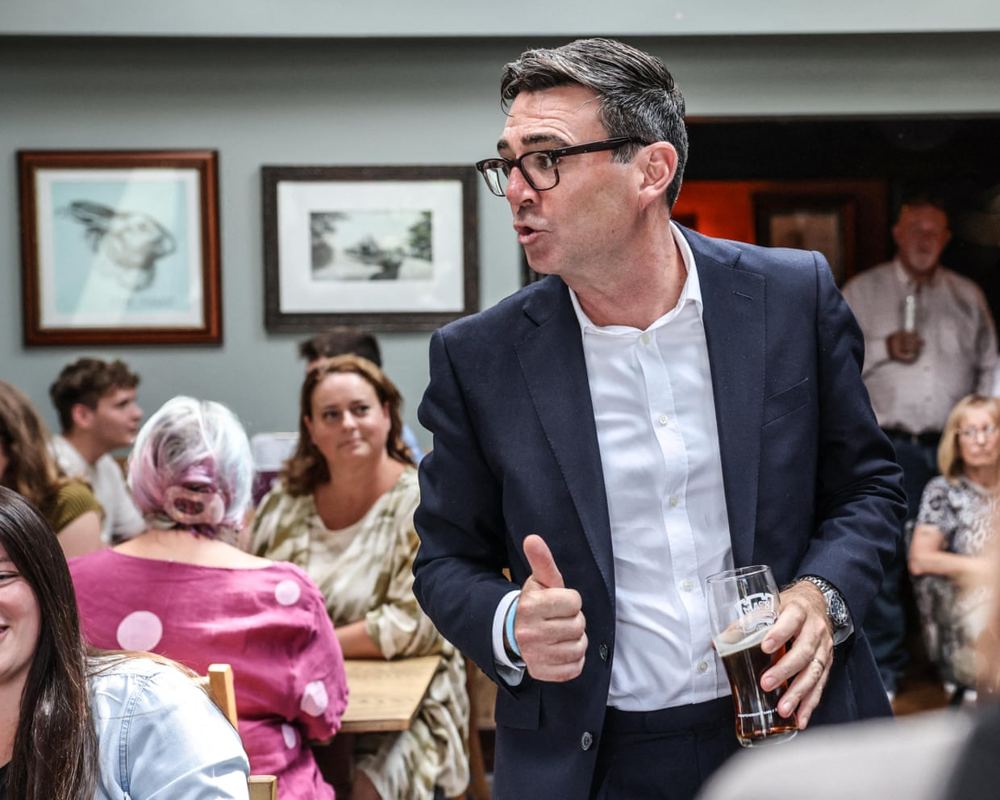
A major longitudinal study reveals that British citizens want higher living standards and better public services while simultaneously opposing the tax increases needed to pay for them, presenting a severe fiscal challenge for Andy Burnham’s new government.
Andy Burnham’s new government inherits an electorate that fundamentally misunderstands the fiscal realities of the state, according to a major longitudinal study by the Institute for Social and Economic Research. The data, collected by Ipsos for the Understanding Society project, reveals a population demanding improved public services while actively resisting the taxation required to sustain them.
This contradiction poses a significant structural challenge for UK economic policy and fiscal planning. Ipsos director of UK politics in public affairs Gideon Skinner noted, “We are seeing a sharpening public friction between high expectations for public services like the NHS and a declining appetite for the taxation required to sustain them.”
The public admires Sweden, which levies taxes at 42 per cent of gross domestic product, yet shows little willingness to accept such burdens given the current UK rate of roughly 33 per cent. Consequently, Burnham must navigate an electorate that simultaneously desires lower taxes and a higher standard of living.
Ideological preferences among the British public have also shifted, complicating the government's economic strategy. Support for a mainly socialist society prioritizing public interests has risen to 57 per cent, a 10 percentage point increase since 1989. However, support for a society emphasizing collective welfare provision has actually fallen to 46 per cent, while 47 per cent now prefer an individualistic approach.
This ideological friction is compounded by deep-seated pessimism and a collapse in faith in social mobility. Only 26 per cent of Britons now believe that the best individuals rise to the top regardless of their background, down from 52 per cent in 1989. Furthermore, 72 per cent expect a world war within the next 25 years, a figure surpassing the height of the cold war.
The root of this discontent appears to be a profound misunderstanding of the social contract. Political psephologist Peter Kellner highlights Office for National Statistics data showing that 53 per cent of the population receives more from the state than they pay in, when accounting for all taxes, cash transfers, and non-cash benefits like healthcare and education.
Despite this reality, only 12 per cent of the public believes they are net beneficiaries of the state. This ignorance extends to older demographics, with very few over-65s recognizing that 90 per cent of their cohort gains more than they contribute, even those earning over £70,000.
Burnham has pledged to build a “new national sense of unity, of common purpose and positivity.” To achieve this without triggering a backlash, his administration is avoiding the brutal truths about high debt favored by his predecessors Keir Starmer and Rachel Reeves.
Instead, the government is deploying targeted goodwill gestures to demonstrate state support. These include reductions in electricity bills, bus fares, and taxes for state pensioners, alongside business rate cuts for pubs and clubs to protect music venues.
For European investors and markets, the success of this strategy will dictate the UK’s long-term fiscal stability. If Burnham fails to align public expectations with economic realities, the resulting friction could severely constrain the government's ability to manage national debt and fund essential infrastructure.