German Azerbaijan energy pact risks aiding Russian shadow fleet

Germany has deepened its energy partnership with Azerbaijan, a strategic trade-off that ignores Baku's role in helping Russia bypass EU sanctions and its systematic imprisonment of journalists.
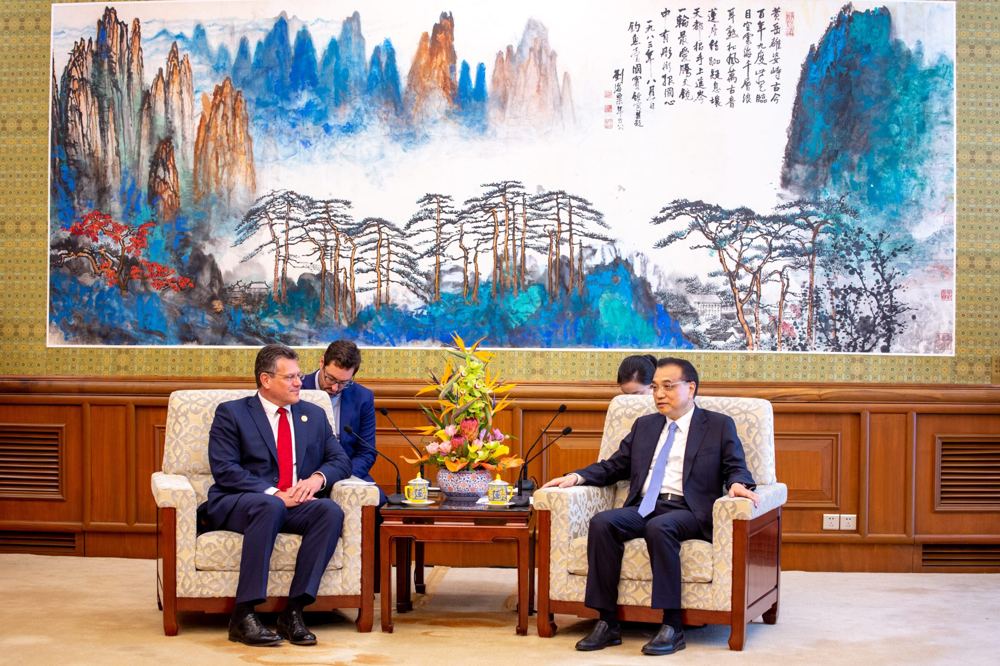
Germany and Azerbaijan signed an extensive bilateral partnership on Tuesday, deepening energy ties as European states scramble to replace Russian fuel. The agreement follows a pattern of high-level European visits to Baku, driven by the 2022 invasion of Ukraine and a 2026 Strait of Hormuz blockade that intensified western Europe's energy insecurity.
However, this strategy carries a profound contradiction for European markets and policymakers. While the EU attempts to cripple Moscow’s war economy through sanctions, it is simultaneously empowering a key enabler of Russian sanction evasion.
Azerbaijan is home to dozens of companies managing tankers belonging to Russia’s shadow fleet. These vessels are specifically used to circumvent the EU sanctions imposed over the war in Ukraine, meaning European energy purchases indirectly finance the very fleet undermining European security measures.
The economic embrace also requires ignoring Baku’s domestic governance. European Commission president Ursula von der Leyen recently declared that few countries are as well placed as Azerbaijan to drive "regional cooperation and stability." EU foreign policy chief Kaja Kallas similarly called it a "valuable energy partner," adding only that there should be a "candid dialogue on human rights."
Neither official mentioned the at least 25 independent journalists currently imprisoned in Azerbaijan, a country ranking 171st out of 180 in the 2026 World Press Freedom Index. This silence stands in sharp contrast to the EU’s outspoken condemnation of press abuses in similarly ranked states like Russia and Iran.
Among those jailed is Sevinj Vagifgizi, editor-in-chief of Abzas Media, whose investigations exposed corruption and rent distribution to president Ilham Aliyev’s family. She and six colleagues were recently sentenced to up to nine years in prison on charges European Parliament members describe as "politically motivated."
From inside detention, these reporters continue to document systemic abuse. Abzas Media director Ulvi Hasanli has written of routine torture, noting he could "set the clock" to the violence between 9 and 10 a.m. Reporter Nargiz Absalamova has documented severe medical neglect, while women journalists have reported rape threats and humiliation.
For Europe, the calculation is bleak. Securing reliable energy flows is an undeniable economic imperative, but relying on an authoritarian petro-state that actively undermines European sanctions creates a self-defeating strategic vulnerability.