Su-57 crash and failed tank assault undermine Russian arms exports
The loss of a prized Su-57 fighter to apparent friendly fire and the failure of a major armoured assault highlight deep vulnerabilities in Russia’s advanced military hardware, threatening its prospects in the global arms market.
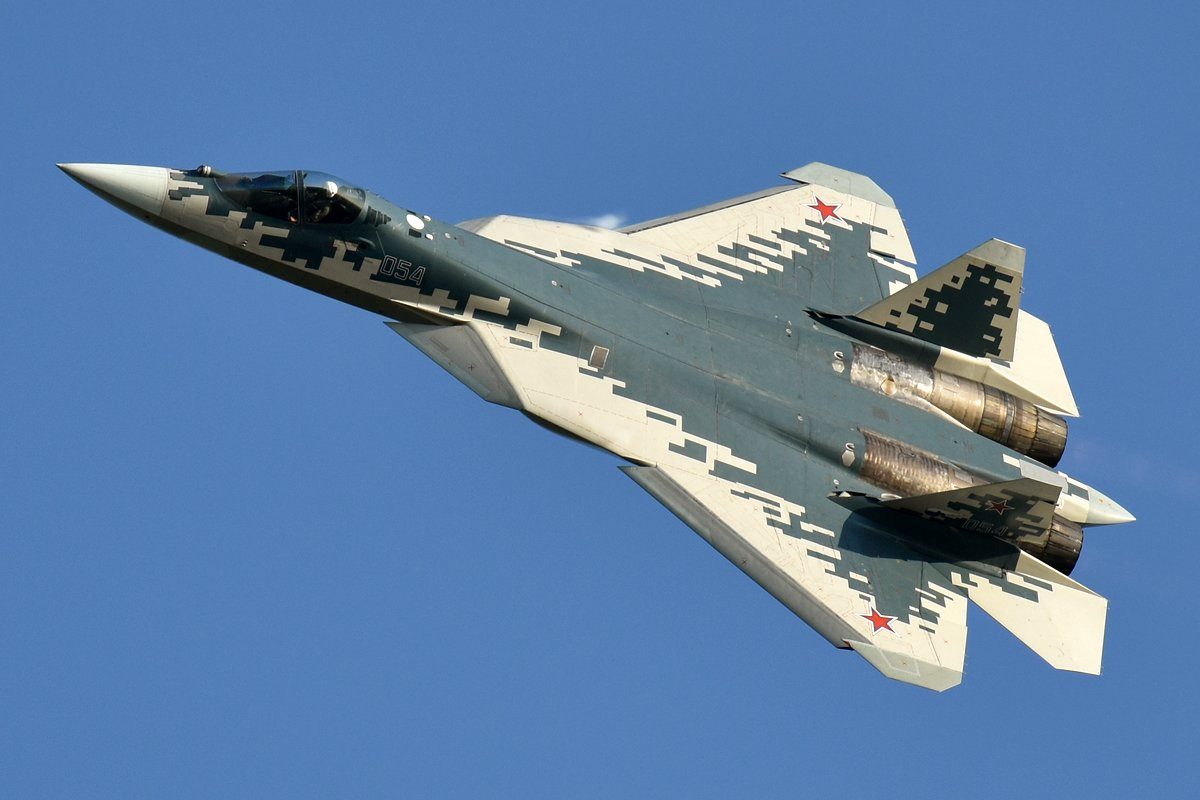
On Thursday, a Russian Su-57 fighter jet crashed near the town of Zvenigorod, just outside Moscow. The Russian defence ministry attributed the incident to a technical malfunction during a training flight. However, independent researchers and Russian bloggers claim the aircraft was actually shot down by Russia's own air-defence forces following a Ukrainian cyber operation.
Inform Napalm, a volunteer group that cooperates with the Ukrainian military, alleges it identified vulnerabilities in the software used by the Bars Moscow air-defence unit. By exploiting these weaknesses, Ukrainian actors may have manipulated radar screens to mark the Su-57 as a hostile target or hacked an automated cannon. This caused the reservist unit to destroy their own aircraft shortly after it took off from the nearby Kubinka airfield.
This incident carries significant implications for Russia's defence export industry. Vladimir Putin has touted the fifth-generation Su-57 as “the best in the world,” and Russia frequently displays the aircraft at international air shows to attract foreign buyers. Algeria is currently the only confirmed export customer, but India, Indonesia and Malaysia have expressed interest. Losing one of an estimated fleet of just 40 to 50 jets, potentially to a cyberattack, does little to inspire buyer confidence.
The Su-57 is not the only piece of advanced Russian equipment to disappoint recently. Earlier this week, Russia launched one of its largest mechanised assaults in nearly a year near the village of Maiak in the Dobropillia direction. The attacking force included dozens of armoured vehicles, prominently featuring T-72B3A tanks equipped with the new Arena-M active protection system.
The Arena-M system is designed to detect and destroy incoming drones and missiles using fragmentation counter-munitions. In practice, the technology failed to protect the column. Ukrainian drone operators spotted the assault while the vehicles were still deep in the rear, destroying an estimated 80 percent of the force before it even reached the front lines. The Ukrainian general staff reported 28 tanks destroyed or damaged that day alone.
Together, these events demonstrate that Russia’s most sophisticated defensive technologies remain highly vulnerable to modern drone and cyber warfare. For a defence sector that relies heavily on foreign sales to sustain its industrial base, the inability of flagship systems like the Su-57 and the Arena-M to perform as advertised represents a serious commercial liability.