Buffalo AKG Art Museum splits leadership to steer post-expansion growth
A major US museum is replacing its single director with a co-leadership model, offering a potential governance blueprint for European cultural institutions balancing ambitious expansions with daily operations.
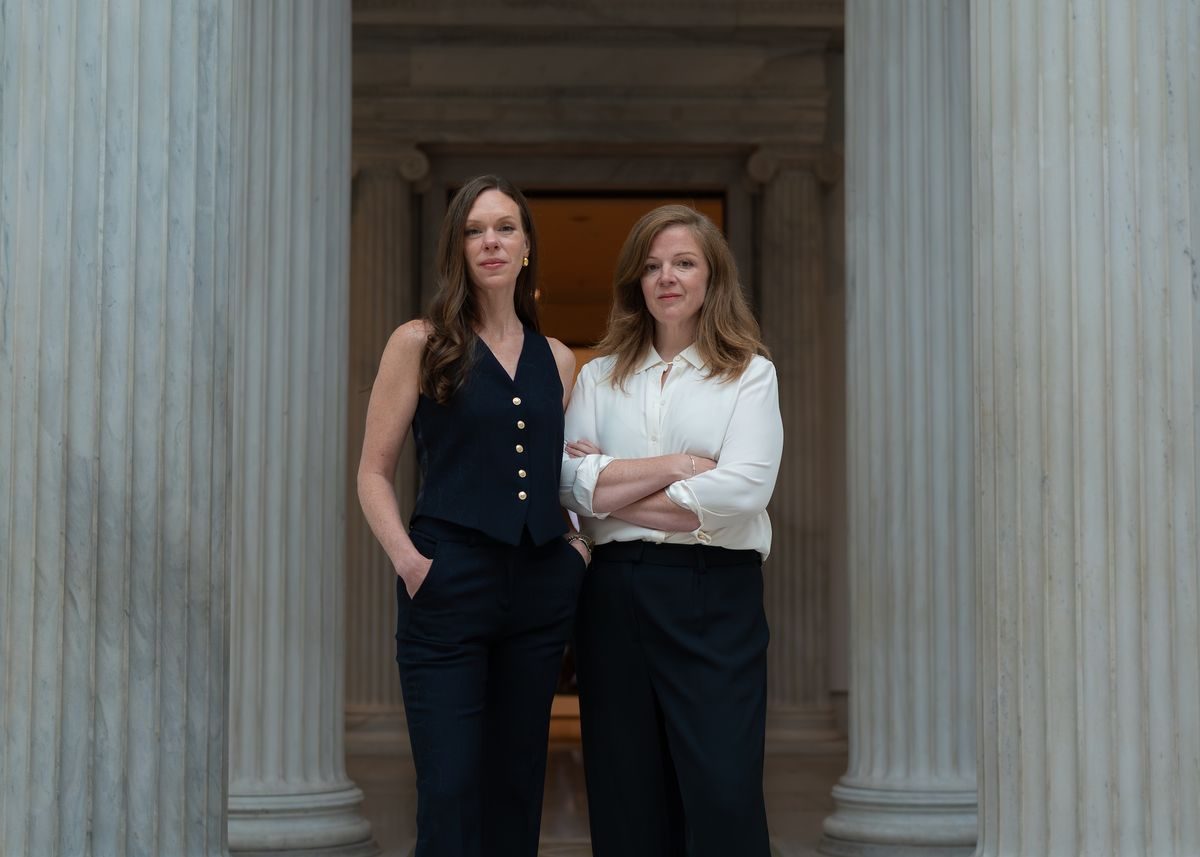
The Buffalo AKG Art Museum will divide its top executive role in two on 1 November. Deputy director Jillian Jones will become executive director, while chief curator Cathleen Chaffee will take the title of artistic director, both reporting directly to the board.
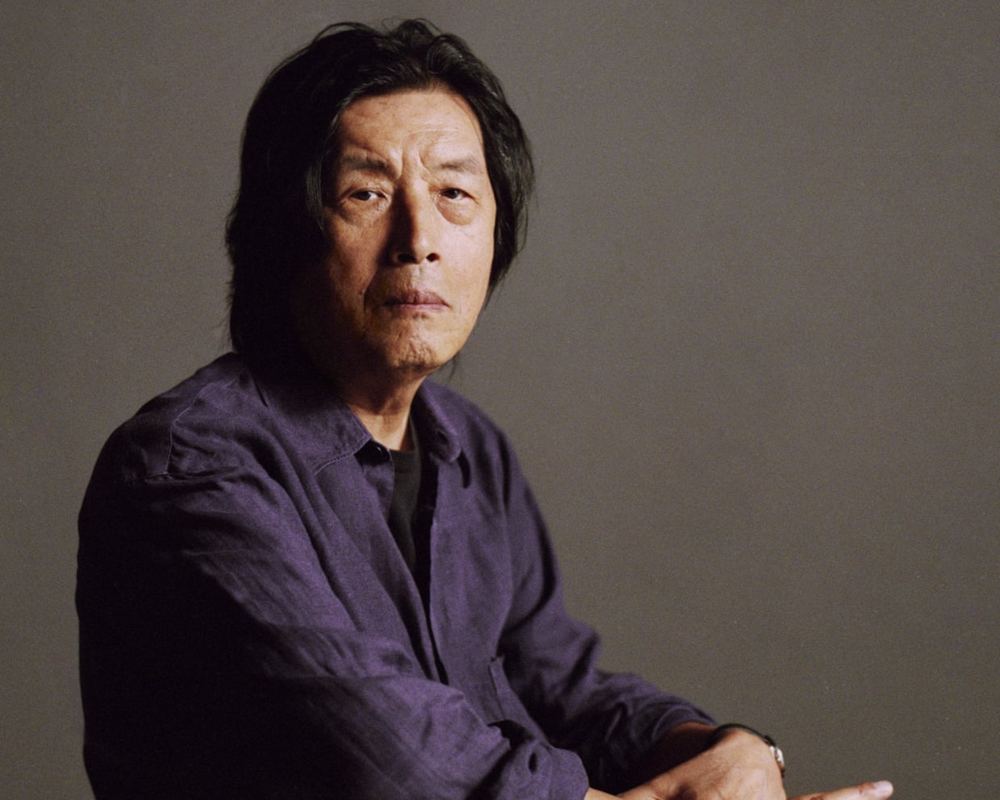
The 164-year-old institution is making the shift as Janne Sirén steps down after 13 years as director. Board president Alice Jacobs, who led the restructuring with the trustees' executive committee, said the goal is to place operational and artistic leadership on equal footing.
"Creating a leadership structure where the artistic and the operational are at an equal level and have a better opportunity to be integrated," Jacobs said, adding that she hopes other museums consider the model. "Leadership can be a lonely place. Having somebody to share the burdens can be really healthy and productive."
The move comes as the museum transitions from a period of intense capital development to steady-state operations. Jones, a Buffalo native, worked with Sirén and the board to complete a $230m capital campaign for an OMA-designed campus transformation that opened in 2023.
That expansion has yielded tangible results for an institution with an annual operating budget of $16.5m and an endowment of $183m. Attendance settled at 220,000 this past fiscal year, a figure 43% higher than the most optimistic projection in an audience study commissioned for the expansion.
"We’re delivering on the promise to make this museum more accessible and approachable," Jones said, noting that 30% of recent visitors attended via free programmes or the museum's admission-free wing.
The co-leaders will now launch a new five-year strategic plan this autumn. Chaffee, who holds a PhD from New York University’s Institute of Fine Arts, brings deep curatorial experience from the Museum of Modern Art and Yale University Art Gallery. Jones brings the fundraising acumen required to sustain the 185-employee operation.
"What this co-leadership model offers is a look at the same mission or whatever the question of the day is through our different lenses," Jones said, "to arrive at a stronger and more integrated solution than either one of us would develop alone."
For European cultural institutions, which frequently grapple with the strain of massive architectural renovations on administrative capacity, Buffalo's model presents a distinct approach. Rather than a single director-general juggling artistic vision and facility management, the co-leadership structure explicitly separates those burdens while demanding they collaborate.