Glasgow art school abandons full Mackintosh rebuild over £265m price tag
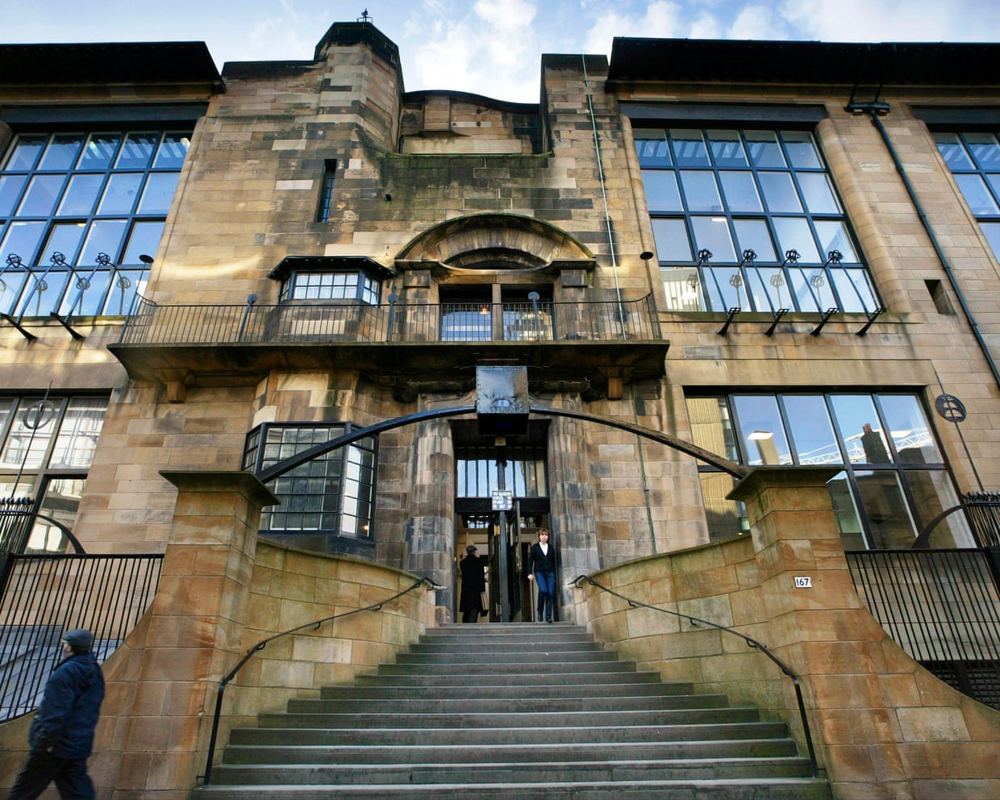
The Glasgow School of Art has abandoned plans to fully rebuild its fire-destroyed Mackintosh building due to a £265m price tag, highlighting the severe financial limits facing Europe’s heritage preservation efforts amid ongoing economic constraints.
The Glasgow School of Art has confirmed it will not rebuild its iconic Mackintosh building in its original form, citing prohibitive costs. The institution is instead stabilizing the surviving stone shell of the art nouveau landmark after it was destroyed by two separate fires over a 12-year period.
A comprehensive reconstruction of the 1909 structure is now estimated at £265m. This figure represents four times previous projections and five times the school’s annual turnover, forcing administrators to concede they cannot finance the project independently.
The school is currently removing external scaffolding and plastic shrouds to reveal the remaining masonry. The expenses for this stabilization phase were covered by a recent insurance arbitration settlement, though the long-term future of the site remains unresolved.
This outcome stands in stark contrast to the restoration of Paris’s Notre Dame Cathedral, which reopened five years after a 2019 blaze following a concerted national effort. The divergence underscores how cultural institutions across the continent face vastly different financial realities when attempting to rescue national monuments.
Architectural bodies, including the Royal Institute of British Architects and the Royal Incorporation of Architects in Scotland, have accepted the interim strategy while maintaining that full reinstatement remains the ideal. In a joint statement, the organizations warned: “We need leadership from the Scottish and UK governments to find the resources needed to ensure the faithful reinstatement of the Mackintosh building and to secure its future as a revitalised creative hub serving Glasgow, Scotland and the world.”
Paul Sweeney, a Labour MSP for Glasgow, has called for a joint venture partnership to rescue the project. He stated: “It’s about the Scottish and UK governments putting their arms around the art school and trying to support the restoration as a national project.”
However, securing such public funds is highly uncertain during an ongoing cost of living crisis. Architect and former school lecturer Gordon Gibb warned against anything less than a complete reconstruction, arguing: “If you do not rebuild it as it was imagined, you lose all of its integrity, and you do nothing more than celebrate the incompetence of its temporary custodians that led to its demise.”
The current predicament stems from a 2014 blaze ignited by an aerosol canister near a hot projector during a student exhibition. Although a £35m restoration was underway, the building’s timber-lined voids allowed flames to spread, and a second fire completely gutted the structure in 2018 just weeks before the repairs were scheduled to finish.
Charles Rennie Mackintosh designed the structure as a total work of art, integrating everything from door handles to stained glass. While some European precedents, such as Berlin’s Neues Museum, successfully embrace curated decay and integrate ruin with modern design, the Mackintosh building was conceived as a unified whole.
Without a wealthy private patron or unprecedented state intervention, the site will likely remain a stabilized ruin. The decision marks a pragmatic, albeit painful, concession to economic limits in the preservation of Europe’s cultural heritage.