US ski resort earns first DarkSky certification to tap astrotourism
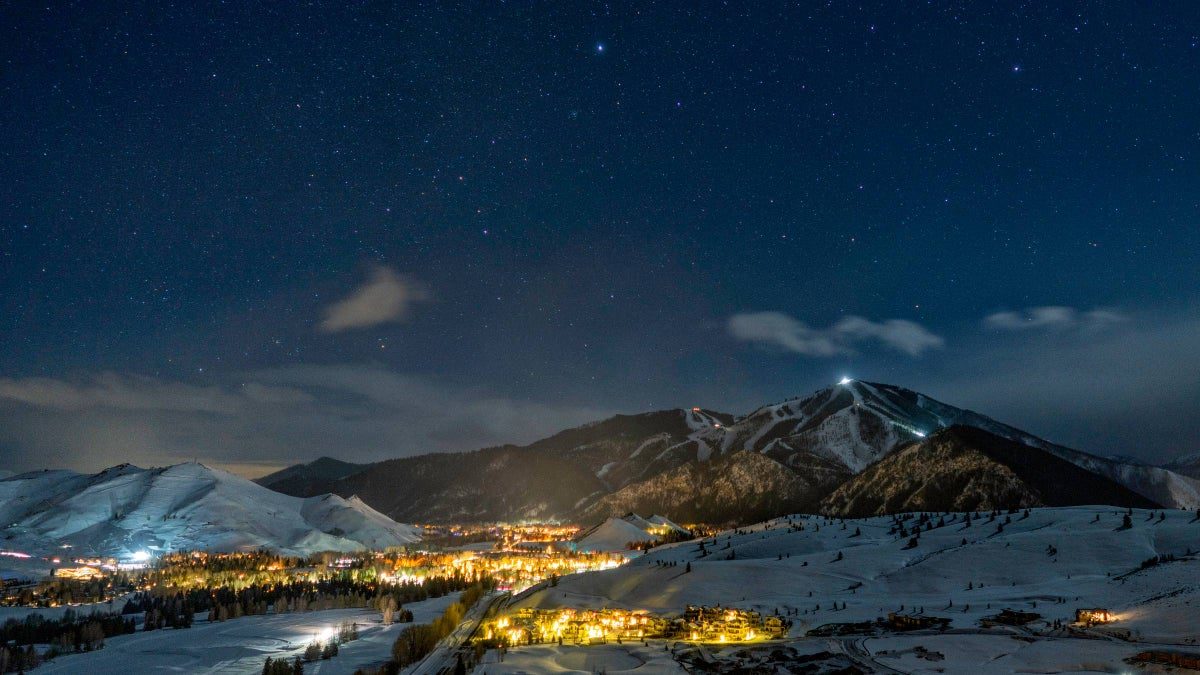
Sun Valley Resort in Idaho has become the first DarkSky-certified ski resort in the US, offering a viable revenue model for European mountain destinations grappling with shorter winters.
Sun Valley Resort in Idaho has received the first DarkSky certification for a US ski resort, a move designed to capitalize on the growing astrotourism market. The designation, awarded by DarkSky International, required the resort to inventory all property lighting to meet strict standards for being useful, targeted, low level, controlled, and warm colored.
The business case extends beyond preserving a natural amenity. Light pollution wastes financial resources and emits unnecessary carbon dioxide. By retrofitting lighting to meet environmental standards, resorts can lower operating costs while attracting a new demographic of visitors.
The broader winter sports industry is watching closely. As ski seasons shrink, mountain destinations are under pressure to monetize the off-season. Sun Valley previously saw a massive influx of visitors during the August 2017 total solar eclipse, proving that clear skies can drive significant economic activity outside of winter.
Astrotourism offers a structured way to capture this demand during the shoulder seasons. “Some of the prime times to view the night sky are in the fall and spring, so being able to activate during those shoulder seasons I think will be really great,” said Betsy Siszell, the resort’s sustainability manager.
While Sun Valley sits within the 906,000-acre Central Idaho Dark Sky Reserve, the economic model is highly pertinent to European mountain economies. Alpine resorts across the continent face identical climate pressures and must similarly diversify their revenue away from pure dependence on snow.
The immediate commercial appeal of this strategy is evident. Sun Valley’s first official astrotourism event as a certified resort, an Aug. 12 dinner on Bald Mountain to view the Perseid Meteor Shower, sold out entirely.
The push for dark skies is also gaining urgency due to external technological threats. Drew Reagan, a senior communications manager at DarkSky, noted that satellite proliferation and emerging technologies are rapidly changing the night sky. This is driving more people to experience dark skies before they disappear. “When it comes down to it, a visible Milky Way most nights of the year is what we’re looking for,” Reagan said.
However, scaling astrotourism requires careful management. “Responsible astrotourism is really important,” Reagan said, noting that more visitors often invite more light pollution. To prevent this, the resort must file annual reports to maintain its status, balancing commercial expansion with the preservation of the asset itself.