Thomas Bangalter reveals creative constraints behind Daft Punk’s Tron Legacy score
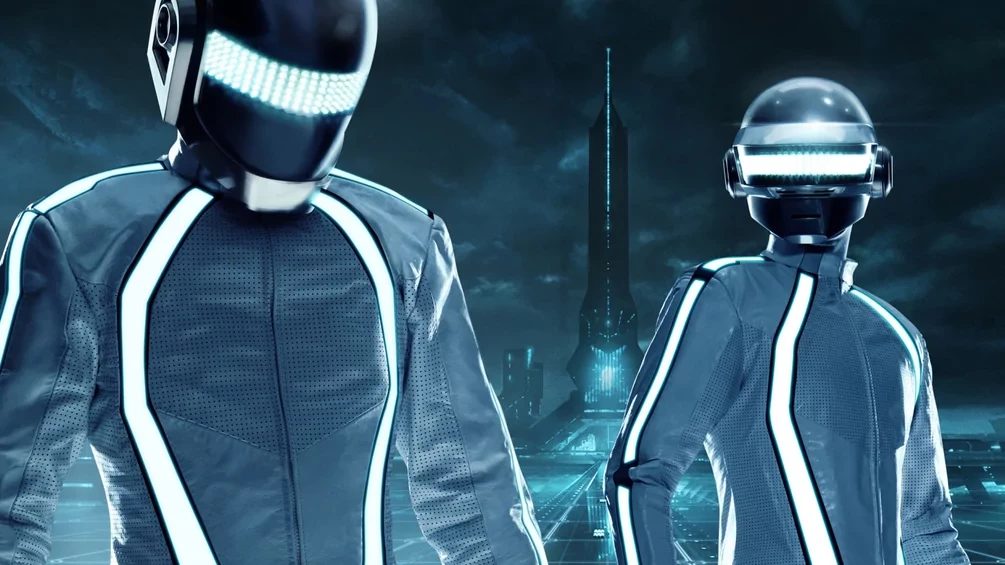
The former Daft Punk member has detailed how commercial film requirements forced the duo to abandon their orchestral ambitions for the 2010 sci-fi soundtrack, highlighting the ongoing tension between artistic vision and mainstream media production.
Thomas Bangalter has described the process of composing the soundtrack for the 2010 film Tron: Legacy as a "depressing" and "limiting" experience. Speaking on the A24 Podcast with musician Dev Hynes, the French artist detailed how the rigid demands of film scoring restricted the duo’s original creative ambitions.
Director Joseph Kosinski initially requested a fully electronic score from the music pioneers. Bangalter and his former Daft Punk partner Guy-Manuel de Homem-Christo resisted this direction. They pushed instead for a cinematic approach anchored by a full symphony orchestra, with Bangalter noting they wanted to approach the project like a classic Disney production.
The initial strategy was to build the musical foundation with classical instruments before layering in electronic elements. However, practical testing revealed that mid-range frequencies clashed directly with the film’s dialogue. Consequently, the composers were forced to strip back the arrangement, relying almost exclusively on low-frequency pulsing bass synthesizers to avoid audio conflicts.
This technical compromise left significant creative resources untapped. Bangalter noted that a large vintage modular synthesizer system he intended to feature was ultimately excluded from the final mix. He emphasized that film scoring inherently requires musicians to subordinate their artistic ideas to the on-screen performance, ensuring the music does not get in the way.
Industry Implications
For the broader entertainment market, this account highlights the persistent friction between high-concept artistic vision and the practical constraints of mainstream media production. It serves as a reminder to cultural producers and investors that even established auteurs must frequently compromise their original concepts to meet the technical requirements of blockbuster filmmaking.
This retrospective on the historically divisive soundtrack arrives as Bangalter continues to distance himself from large-scale commercial collaborations. He recently dismissed the possibility of a Daft Punk reunion, noting that there are "other things to explore" beyond the duo.
This shift in focus aligns with his recent independent artistic output. Last month, he performed a surprise DJ set alongside Rampa at Art Basel. That appearance coincided with the release of his latest solo project, Mirage - Ballet For 16 Dancers.