New UK PM Burnham unveils £1.5bn in pledges, bigger costs loom
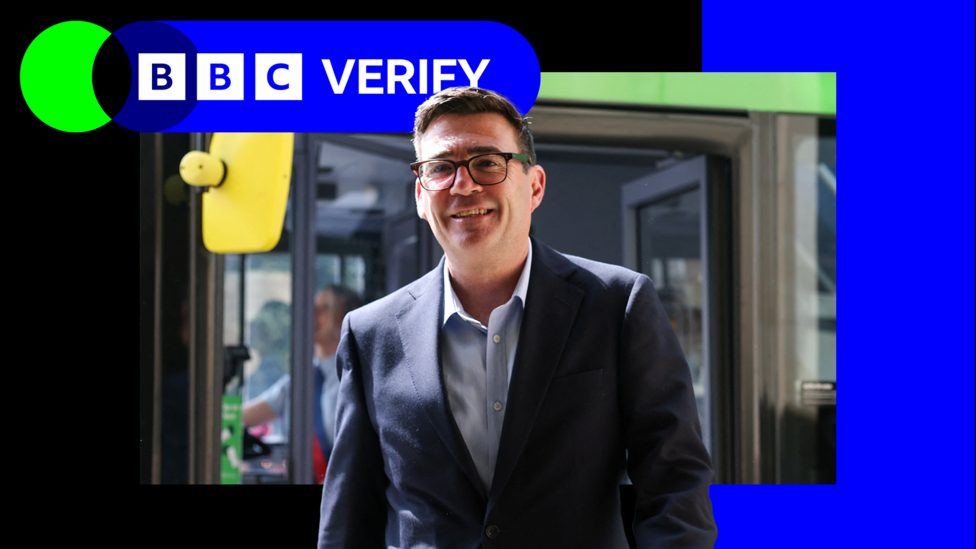
British Prime Minister Andy Burnham has announced £1.5bn in cost-of-living measures in his first week, but an unfunded tax cut and looming multi-billion-pound spending promises raise questions about his commitment to strict fiscal rules.
Andy Burnham concluded his first week as British prime minister with a series of cost-of-living announcements totalling roughly £1.5bn. The measures, which include capping bus fares, cutting value-added tax on electricity bills, and allocating funds to end rough sleeping, represent a modest 0.1% of the UK’s projected £1.4 trillion annual public spending.
The £340m allocated to tackle rough sleeping will be drawn from existing, uncommitted housing department budgets, aiming to support at least 3,000 people over five years. This follows a sharp rise in homelessness, with official data showing rough sleeping in England increased from 1,800 people on a single night in 2010 to approximately 4,800 in 2025.
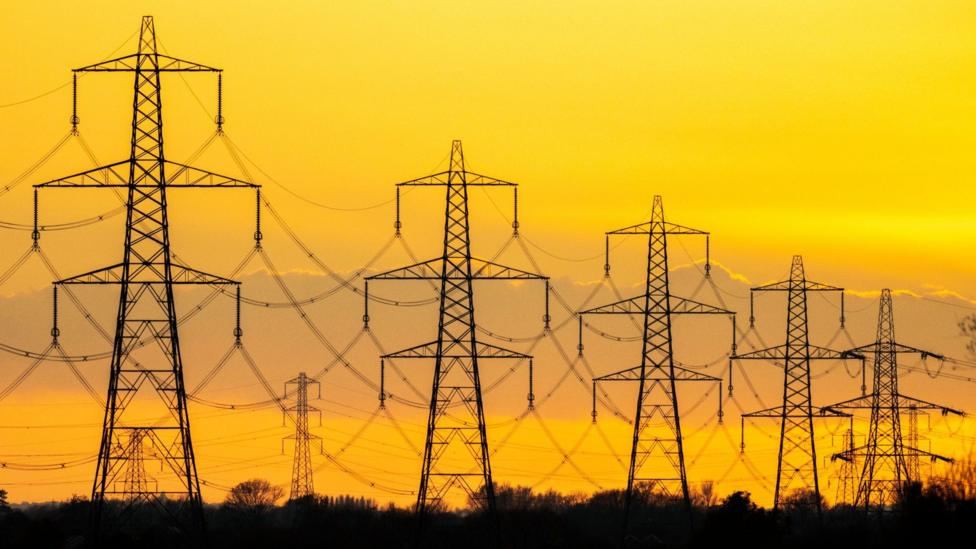
Despite these relatively small initial outlays, the financial mechanics behind the policies reveal early fiscal pressures. The £850m VAT cut on domestic electricity bills, designed to save households £45 a year, is officially slated to be paid for by scrapping the previous government's digital ID scheme, which had been estimated to cost £1.8bn over three years. However, the Office for Budget Responsibility had already classified that scheme as unfunded, meaning the tax cut will ultimately require offsetting tax rises or specific spending cuts in the upcoming budget.
Other pledges claim to be fully funded, though they carry structural uncertainties. A new £2 bus fare cap costing over £500m will be financed by converting international climate project grants into loans. Max Warner from the Institute for Fiscal Studies noted that the expected repayment sums and interest rates on those loans remain unclear. A separate £100m annual business rates cut for pubs builds on an earlier support package and will be partly offset by removing tax reliefs for businesses like vape shops.
The immediate £1.5bn outlay distracts from far heavier fiscal demands on the horizon that will test the new government's economic strategy. Chancellor John Healey is expected to push defence spending from 2.7% to 3% of GDP by 2030, requiring an extra £9 billion annually in today's money. Burnham has also signalled a desire to raise the income tax personal allowance, which the IFS estimates could cost £8.5bn to £9bn, and promised a major council house building programme that the Centre for Cities think tank estimates needs £13 billion a year in public subsidy.
Burnham has stated he will adhere to the UK's existing fiscal rules, which prohibit borrowing for day-to-day spending and require debt to fall as a share of the economy by the end of the parliament. Satisfying those strict constraints while delivering on his larger, multi-billion-pound promises will force the new prime minister into difficult economic choices between tax increases and deep spending cuts in future budgets.