Chancellor Merz Faces CDU Revolt Over Chaotic Government Reshuffle
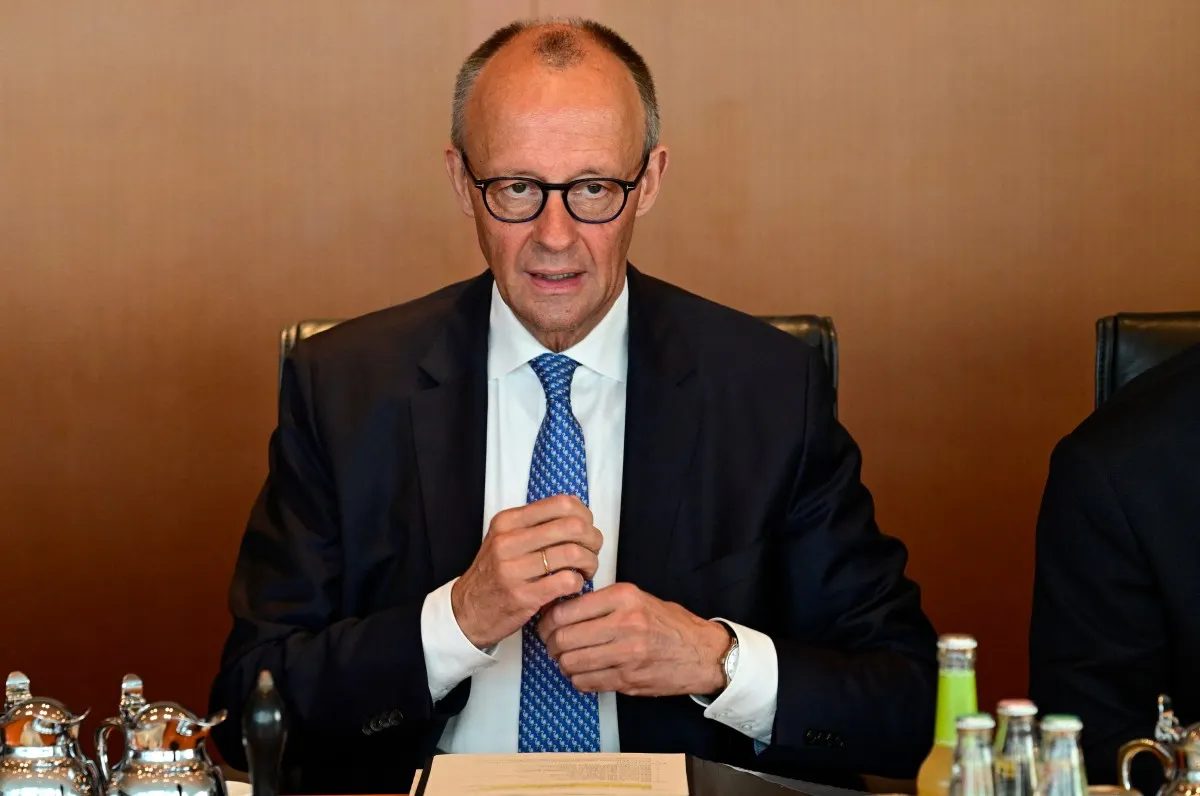
Chancellor Merz is confronting mounting internal rebellion within the CDU over his abrasive management of a recent personnel overhaul, threatening political stability in Europe’s largest economy.
German Chancellor Merz is facing intense backlash from within his own Christian Democratic Union (CDU) over a chaotic recent government reshuffle. Lawmakers are openly criticizing his high-handed leadership style following the abrupt resignation of parliamentary leader Jens Spahn.
Spahn stepped down earlier this month after revealing that he and his husband had a child via a surrogate mother in the United States. This arrangement is illegal in Germany and has long been vehemently opposed by the CDU.
Tensions will come to a head on Wednesday when CDU lawmakers meet to formally elect Thorsten Frei, Merz’s chief of staff, as Spahn’s successor. During this gathering, the chancellor is expected to face direct criticism from legislators angered by his recent personnel decisions.
A primary source of frustration is the botched dismissal of transport minister Patrick Schnieder. Merz’s intention to remove Schnieder leaked last week, but the minister was left in limbo after the chancellor’s initial choice for a replacement withdrew from consideration.
The perception of a top-down, disrespectful approach was reinforced when Tino Sorge, a CDU state secretary in the health department, was dismissed without prior consultation. Sorge took to Facebook to condemn the move, describing it as a fundamental "question of (Merz's leadership) style".
Merz has long been viewed by segments of the German public as detached from everyday voters due to his extensive business background and private wealth. Now, senior figures within his own party are echoing those concerns, warning that his corporate management tactics are failing in a political context.
Heiko Strohmann, head of the CDU in the northern city-state of Bremen, recently confronted the chancellor at a party meeting. Strohmann reminded Merz that he "was running a political party, not a business".
Speaking to the Tagesspiegel newspaper, Strohmann emphasized that the CDU relies on volunteers and elected lawmakers who cannot simply be bossed around like corporate employees.
This internal strife arrives at a precarious moment for the German government, prompting scathing editorial commentary across the country. Major newspapers are now openly questioning whether Merz can rebuild his authority or even complete his full term as chancellor.
The infighting compounds an already dire electoral situation for the ruling coalition. The CDU is currently lagging behind the far-right Alternative for Germany (AfD) in national polling.
Political stability in Europe’s largest economy hangs in the balance as the AfD is predicted to significantly outperform the CDU in three state elections in eastern Germany this September. These regional contests will serve as a critical test of Merz’s ability to hold his party and his government together.