Patrick Gleeson, influential synthesist and composer, dies aged 91
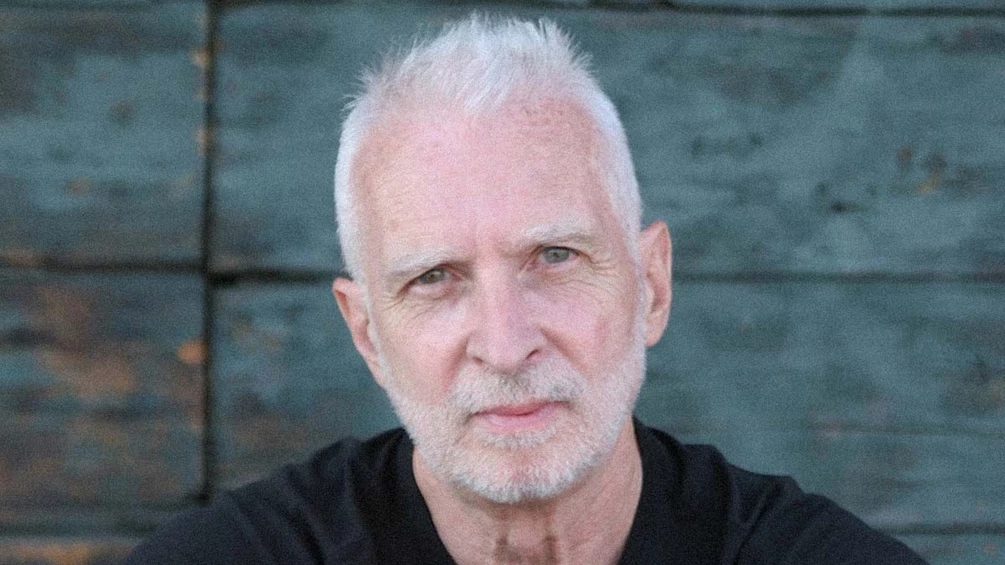
Gleeson was known for his pioneering work with Herbie Hancock, David Byrne, Brian Eno, and more throughout the 1970s and ’80s
Patrick Gleeson, the pioneering producer, synthesist, engineer and composer, has died aged 91.
The news was shared yesterday (28th July) in a statement by the Bob Moog Foundation, released on behalf of Gleeson’s estate. The musician passed away on 19th July. No cause of death has been disclosed.
Through his work, Patrick Gleeson helped define the role of synthesisers in experimental, jazz and popular music. His career spanned studio innovation, composition and production, with credits ranging from collaborations with Herbie Hancock to his work as a synthesiser specialist on the score for Francis Ford Coppola’s Apocalypse Now .
Born in San Francisco in 1934, Gleeson’s involvement with electronic music began in the 1960s at the San Francisco Tape Music Center, where he experimented with Donald Buchla’s pioneering modular synthesisers. After hearing Wendy Carlos’ landmark 1968 album ‘Switched-On Bach’, he turned his attention to the Moog III synthesiser and co-founded Different Fur Recording Studio in San Francisco with John Vieira. The studio would become a key hub for experimental recording, later hosting sessions for artists including Herbie Hancock, Devo and Brian Eno and David Byrne.
He worked closely with Hancock on his albums ‘Crossings’ (1972) and ‘Sextant’ (1973), later touring as part of the jazz visionary's Mwandishi band and helping expand the possibilities of electronic instrumentation beyond the studio.
He later released his debut solo album, ‘Beyond the Sun: An Electronic Portrait of Holst's The Planets’ in 1976, which earned a Grammy nomination for Best Engineered Classical Recording. His later credits included engineering Devo’s 1978 debut ‘Q: Are We Not Men? A: We Are Devo!’ and contributing to Brian Eno and David Byrne’s influential 1980 album, ‘My Life in the Bush of Ghosts’.
Read the Moog Foundation’s tribute to Gleeson in full here , and listen to ‘Beyond the Sun’ below.