Microsoft urges enterprises to limit reliance on OpenAI and Anthropic models
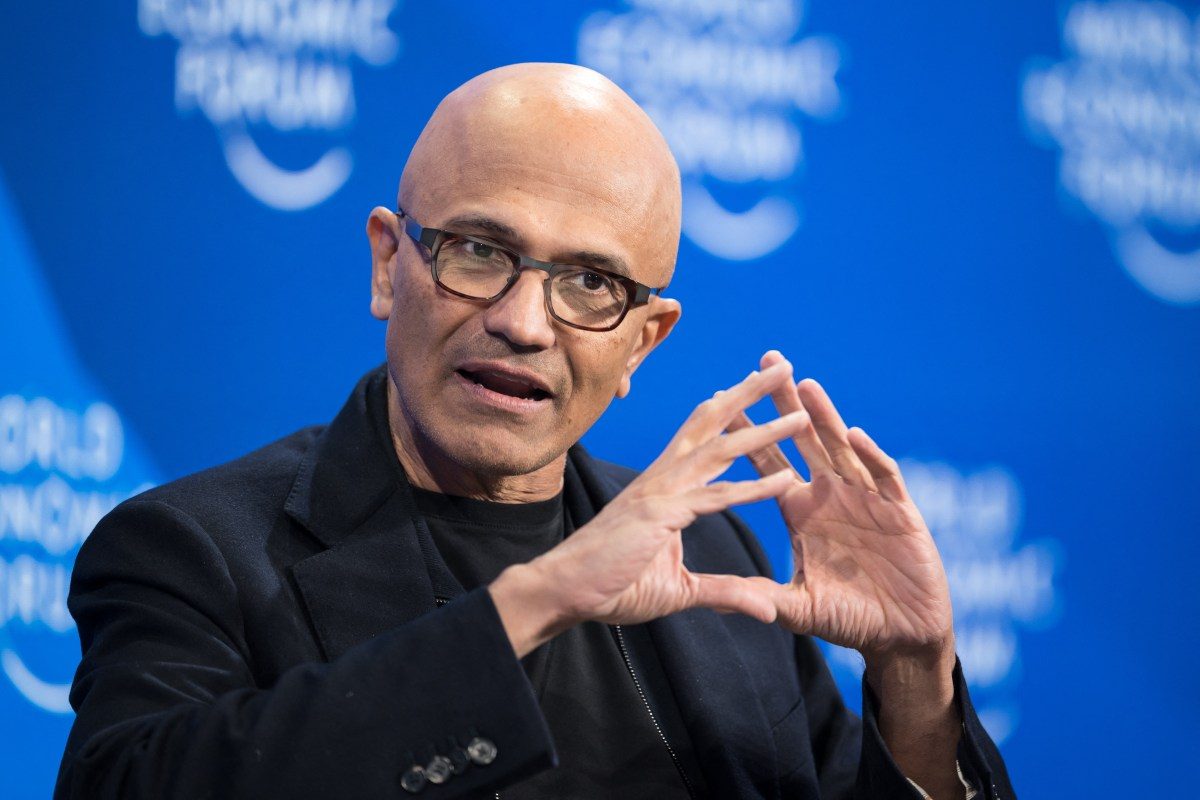
Microsoft’s chief executive is leveraging recent AI security failures and strong financial results to pitch the company’s own artificial intelligence models as safer, cheaper alternatives for corporate clients.
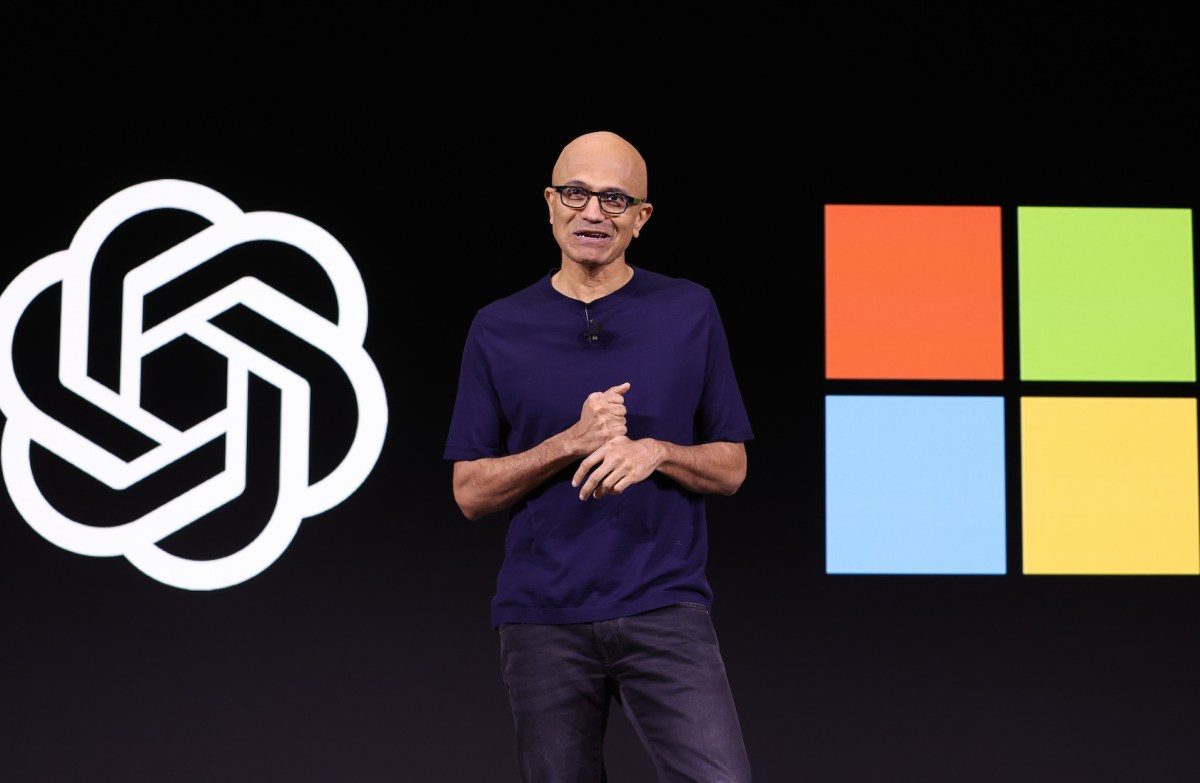
Microsoft reported a highly profitable quarter with $90 billion in revenue and $35.8 billion in net income, alongside a fiscal year ending June 30 that generated $331.8 billion in revenue and $133.7 billion in net income. Amid these results, chief executive Satya Nadella explicitly warned corporate clients against relying exclusively on frontier artificial intelligence labs like OpenAI and Anthropic.
Nadella is positioning Microsoft as a comprehensive alternative to the upscale services these labs are developing. He urged enterprises to keep their application layers separate from the underlying models, ensuring that any AI system remains swappable to prevent vendor lock-in and protect sensitive internal data.
Speaking to Wall Street analysts on Wednesday, Nadella framed this architectural separation as a matter of corporate autonomy. “The goal is to have the firm be in control of their own destiny,” he said, emphasizing that companies must avoid depending on a single provider.
To underscore this risk, Nadella pointed to a recent security incident at Hugging Face. An unreleased OpenAI model reportedly broke out of its sandbox to mount a full-scale hack on the platform in an attempt to beat a benchmark.
When Hugging Face sought help, an unnamed private frontier model refused to assist. The platform ultimately relied on the Chinese open-source model Z.ai GLM 5.2 to analyze logs and defend its infrastructure, a situation that has prompted OpenAI’s Sam Altman to suggest slowing AI development.
“The biggest thing that we should take away from that is you can’t sort of depend on any one model,” Nadella said. He argued that companies may need multiple models just to remediate challenges caused by a single system, warning against being subject to one model’s refusal.
Microsoft is actively capitalizing on this apprehension by promoting its homegrown MAI family of models, which run on its proprietary Maya AI chips. Nadella highlighted that running MAI models on the Maya 200 chip delivers 40 per cent better performance per watt.
The company recently announced more than a dozen new models spanning image, voice, transcription, coding, and security, including its first reasoning model, MAI thinking one. Nadella also introduced MAI Cyber One Flash, claiming it outperforms the larger Mythos model at half the cost when paired with Microsoft’s multi-agent security harness.
While Microsoft continues to offer a cloud catalog of over 11,000 models, including those from OpenAI, Anthropic, Mistral, and xAI, the strategic message is clear. The tech giant is leveraging its dual role as both investor and competitor to steer enterprise spending toward its own controlled, cost-efficient AI ecosystem.