Sweden reduces train speeds on multiple rail lines as extreme heat bends tracks
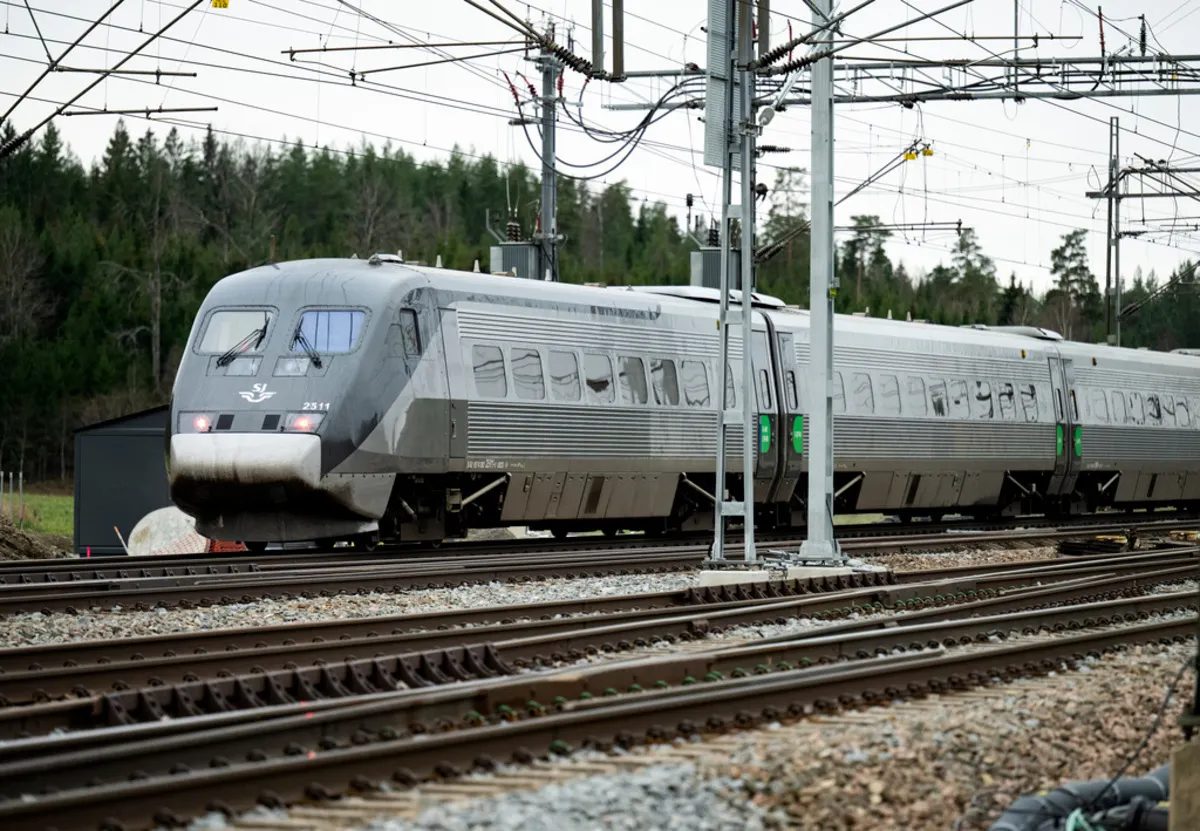
The Swedish Transport Administration has imposed speed restrictions on several railway sections to prevent heat-induced derailments, highlighting the growing strain climate change places on European transport infrastructure.
The Swedish Transport Administration is reducing train speeds to 80 kilometres per hour across twelve railway sections today. The measure aims to prevent derailments caused by "sun curves," a phenomenon where intense solar heat physically bends steel tracks.
Swedish Transport Administration spokesperson Peter Jonsson noted the dynamic nature of the threat in a press release. He stated, “At the moment, this only applies during parts of Thursday, but we are continuously monitoring the weather situation and the safety measures we are implementing can change quickly.”
The extreme temperatures are also disrupting road networks across the country. The heat elevates the risk of "bleeding asphalt," a condition where the asphalt binder softens and expands, pushing wet spots to the surface and making roads dangerously slippery.
To counteract this hazard, the administration is applying sand to affected areas when necessary. Authorities are simultaneously urging the public to exercise increased caution while travelling on both rail and road networks.
For European markets and logistics operators, these disruptions serve as a stark reminder of the vulnerabilities embedded in continental supply chains. Transport reliability is a cornerstone of regional economic stability. Weather-induced slowdowns directly translate to delayed freight, increased operational costs, and strained just-in-time delivery models across borders.
Consequently, investors and infrastructure planners are increasingly forced to price in climate adaptation. Retrofitting existing rail and road networks to withstand higher temperature thresholds requires substantial capital expenditure. This reality shifts the financial burden onto public transport budgets and private contractors alike.
Scientists have established that recurring heatwaves are a clear marker of global warming driven primarily by the burning of coal, oil and gas. Researchers warn that these extreme weather events are set to become more frequent, longer and more intense in the coming decades.
As Sweden implements emergency speed restrictions, the incident underscores a broader challenge for the continent. European infrastructure must rapidly evolve from a system designed for historical climate norms to one resilient enough to handle a consistently warmer future.