Record transfer spending and managerial shifts open up Premier League title race
Massive capital expenditure by Chelsea and Tottenham, combined with unprecedented managerial turnover across the top clubs, is dismantling the recent dominance of Manchester City and Arsenal in the English football economy.
The 2026-27 Premier League season presents the most competitive landscape in years following unprecedented financial investment and a complete overhaul of leadership at England's top football clubs. Defending champions Arsenal face a significant defensive crisis, while traditional rivals Manchester City, Chelsea, and Liverpool have all appointed new managers.
This structural shift matters because it ends an era of institutional stability that has defined the league's recent commercial dominance. Manchester City, winners of six of the last nine titles, begin the campaign without Pep Guardiola. The 55-year-old secured 17 major trophies during his decade in charge before departing, leaving former assistant Enzo Maresca to take over after his January exit from Chelsea.
The corporate restructuring extends to Chelsea and Liverpool. Chelsea hired Xabi Alonso, who previously won an invincible Bundesliga title with Bayer Leverkusen but struggled during a recent spell at Real Madrid. Liverpool replaced 2024-25 title-winning manager Arne Slot with Andoni Iraola, who guided Bournemouth to a sixth-place finish last season.
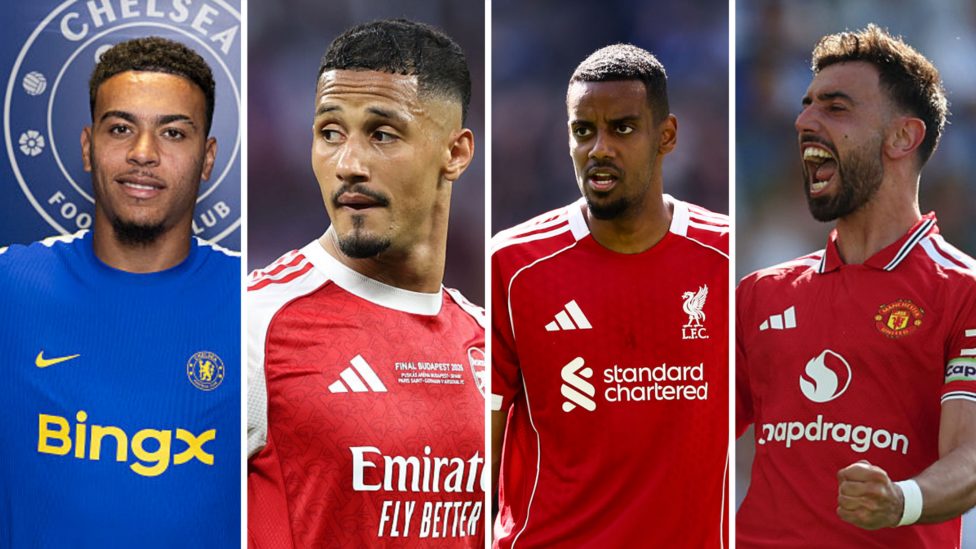
Arsenal remains the only traditional top-six club with managerial continuity under Mikel Arteta, who was appointed in 2019, but their title defense is immediately threatened by a major personnel loss. Key defender William Saliba will miss an extended period with a back injury sustained at the World Cup. The 25-year-old, who made 50 appearances last season, has been central to the club's defensive economics, with Arsenal winning 68.7 percent of matches when he plays compared to 47.6 percent without him.
Meanwhile, Chelsea and Tottenham are deploying record capital to rebuild their squads, signaling aggressive market positioning. Chelsea made England midfielder Morgan Rogers the most expensive British player in history with a £117m acquisition from Aston Villa. They also spent £47m on Atalanta full-back Marco Palestra and are negotiating deals for Danny Welbeck, Jordan Henderson, and Maxence Lacroix.
Tottenham has matched this financial aggression, committing a club-record £237m this summer. The club broke its transfer record twice in two days, signing Mateus Fernandes from West Ham for £85m and Sandro Tonali from Newcastle for £100m. Additional investments include Jan Paul van Hecke for £52m from Brighton, alongside Marcos Senesi, Andrew Robertson, and Martin Dubravka.
The operational models of these clubs are also diverging, which will heavily influence their domestic performance and injury rates. Chelsea and Tottenham will focus solely on domestic competitions, whereas Manchester United and eight other Premier League clubs will navigate a heavier European schedule.
Manchester United, which played just 40 matches last season to finish third, has attempted to mitigate the increased workload by acquiring midfielders Andrey Santos and Youri Tielemans. A lighter schedule allows for better rotation and preparation, a factor highlighted by Chelsea, who played 59 matches to finish 10th, and Tottenham, who had 27 players sidelined across 52 fixtures to finish 17th.
With five of the traditional big six starting the season under different leadership than the previous campaign, the market is entirely unpredictable. The combination of record financial outlays, shifting operational schedules, and key injuries suggests the established monopoly on the English title is officially over.