Patrick Gleeson, pioneering synthesist and studio co-founder, dies at 91
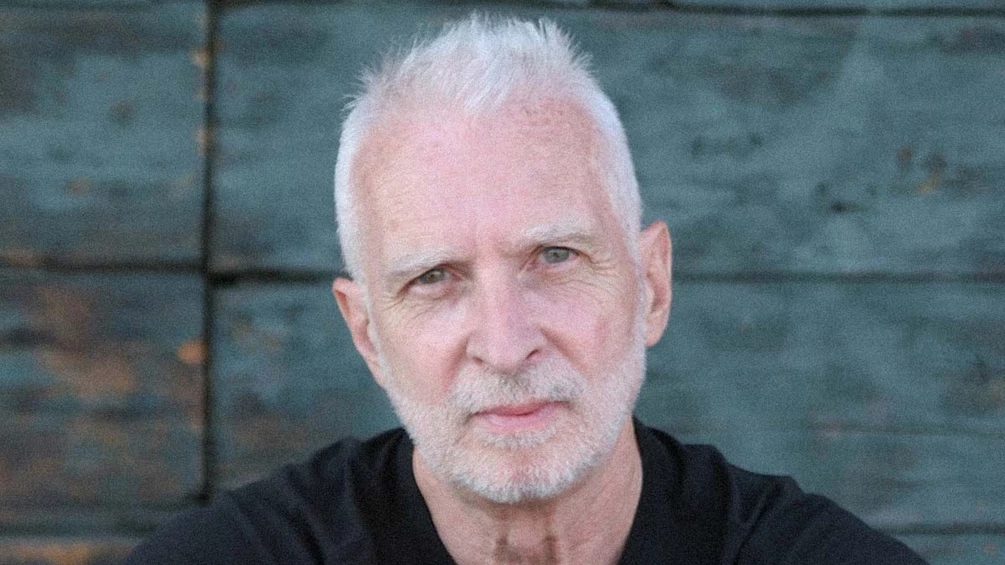
The death of the American synthesist and studio co-founder at 91 marks the loss of a foundational architect of electronic music production whose innovations shaped the economics and infrastructure of transatlantic recording industries.
Patrick Gleeson, a pioneering figure in electronic music production and synthesis, has died at the age of 91. Born in San Francisco in 1934, he spent his career establishing the creative and commercial potential of synthesizers across jazz, experimental, and popular genres.
His impact on the recording business was cemented through the co-founding of Different Fur Recording Studio in San Francisco alongside John Vieira. The facility evolved into a critical commercial hub for experimental recording, bridging the gap between emerging electronic instrumentation and mainstream market releases.
This innovative environment attracted major transatlantic talent, notably including British artists Brian Eno and David Byrne. His synthesis expertise directly shaped Eno and Byrne’s influential 1980 collaborative album, My Life in the Bush of Ghosts. This contribution left a lasting imprint on European post-punk and ambient music scenes, highlighting the cross-border flow of recording technology and artistic ideas.
His technical journey started in the 1960s at the San Francisco Tape Music Center, experimenting with Donald Buchla’s early modular systems. Following the release of Wendy Carlos’s landmark 1968 album Switched-On Bach, he shifted his technical focus to the Moog III. This transition helped translate early laboratory experiments into viable, widely used commercial recording tools.
His professional portfolio spans high-profile commercial, jazz, and cinematic projects. He worked closely with Herbie Hancock on the albums Crossings in 1972 and Sextant in 1973, and later toured with Hancock’s Mwandishi band, helping to broaden the capabilities of electronic instruments in live performance settings. He also served as a synthesiser specialist on the score for Francis Ford Coppola’s Apocalypse Now, and engineered Devo’s 1978 debut album, Q: Are We Not Men? A: We Are Devo!.
Gleeson's 1976 solo debut, Beyond the Sun: An Electronic Portrait of Holst’s The Planets, secured a Grammy nomination in the Best Engineered Classical Recording category. Ultimately, his technical contributions underpin decades of hybrid records, spanning spiritual jazz, post-punk, and major Hollywood film scores. His career demonstrates how independent studio infrastructure and technical innovation jointly drove the commercial expansion and global reach of the music industry.