Spain's three largest wildfires on record have all occurred in the past two years
The unprecedented concentration of Spain's three largest recorded wildfires in the last two years highlights escalating climate risks that threaten European land assets, timber supplies, and regional economies.
Spain has recorded its three most destructive wildfires since national data collection began in 1961, with all three events occurring within the past 24 months. The latest figures from the General Statistics on Forest Fires (EGIF) confirm an unprecedented acceleration in extreme fire events across the Iberian Peninsula.
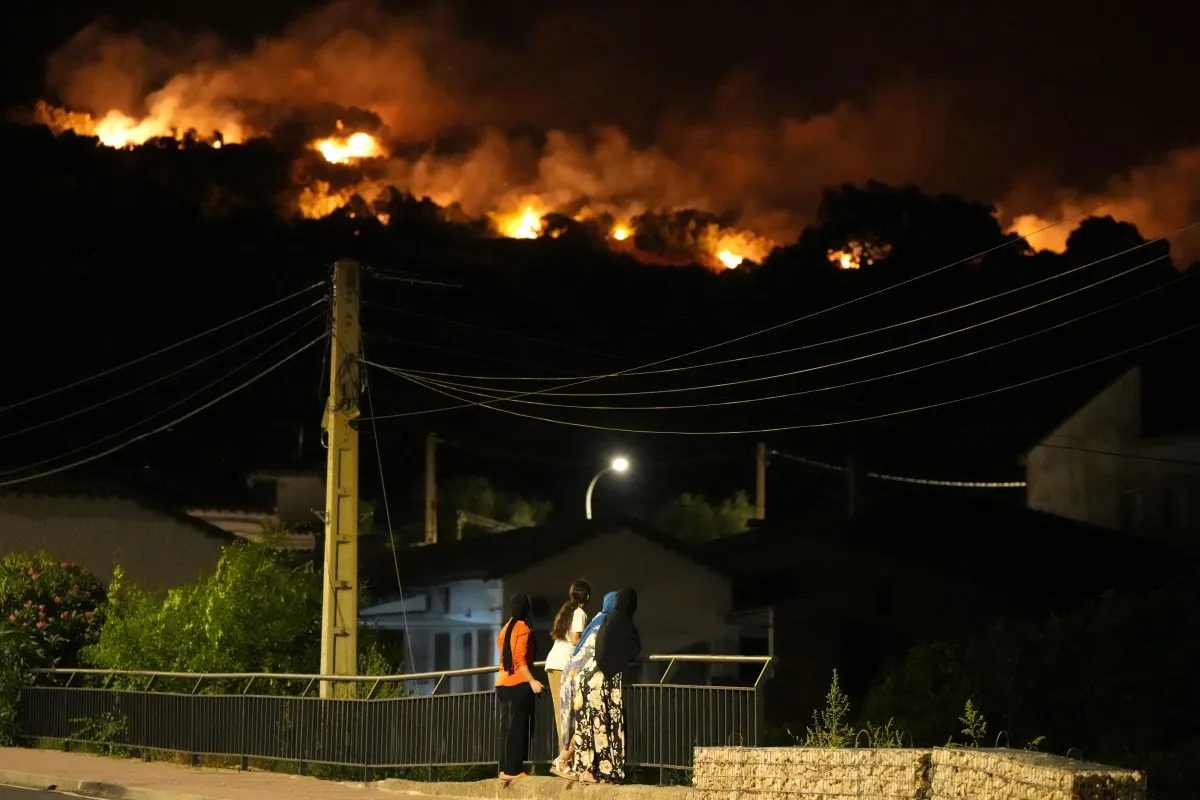
The most recent blazes struck in July 2026, with major fires breaking out in Burgohondo, Ávila, and La Mierla, Guadalajara. Together, these incidents devastated approximately 50,000 hectares across the Madrid and Ávila regions, while the Guadalajara blaze consumed 32,000 hectares of arid land in Castilla-La Mancha.
Evacuation orders for more than a dozen municipalities were lifted on July 28, 2026, enabling thousands of displaced citizens to return to their residences. Fire prevention services reported that the Guadalajara fire had entered a stabilization phase and was showing favourable progress after more than a week of burning.
This follows a similarly devastating 2025 season, highlighted by the Larouco fire in Ourense province. That blaze burned 37,765 hectares of forest land, contributing to a summer where severe wildfires destroyed nearly 400,000 hectares nationwide and resulted in four fatalities.
The 2022 Losacio fire in Zamora burned 31,473 hectares, part of a broader Sierra de la Culebra disaster that ravaged over 65,000 hectares and claimed four lives. The 2012 Cortes de Pallas fire in Valencia consumed a total of 30,691 hectares and killed a helicopter pilot.
The 2004 Minas de Riotinto blaze in southern Spain destroyed 29,867 hectares of forest and resulted in two deaths. While devastating at the time, that event now ranks well below the destruction seen in the current two-year cycle.
For European markets and investors, this rapid escalation in land destruction signals profound economic risks. The loss of nearly half a million hectares of forest and rural land in just two years threatens timber supply chains, disrupts agricultural output, and forces a reassessment of climate-related insurance liabilities across the continent.
Companies operating in land-intensive sectors must now factor in the heightened probability of extreme weather events in Southern Europe. As the EGIF data demonstrates, the historical baseline for wildfire damage is no longer a reliable metric for forecasting future operational and environmental risks.