Ethio-jazz pioneer Mulatu Astatke plays final UK shows and reclaims African music history
Following his final UK performances, the 82-year-old creator of Ethio-jazz is using his global platform to challenge Western educational systems to acknowledge the indigenous African origins of modern music.
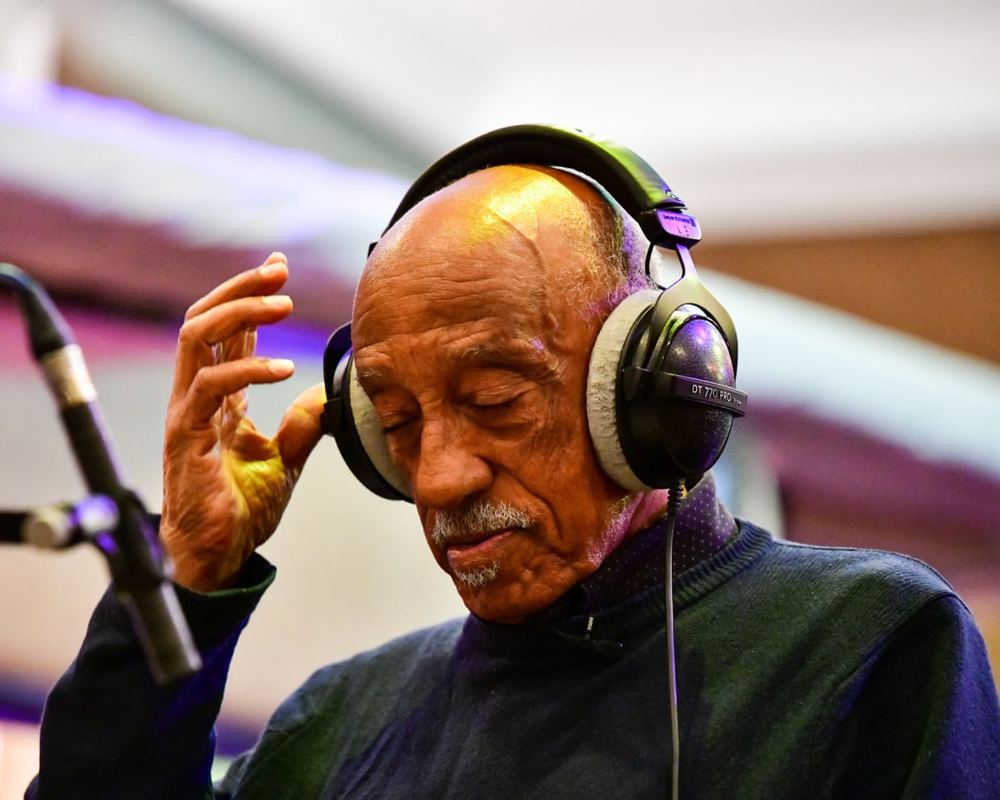
Mulatu Astatke, the 82-year-old architect of Ethio-jazz, recently concluded what is expected to be his final UK performance at London’s Royal Festival Hall. The milestone coincides with the release of his latest album, Mulatu Plays Mulatu, on Strut Records, marking a reflective moment for a musician who first absorbed London's 1960s jazz scene in Soho.
Astatke’s journey began when his parents sent him to a boarding school in Wrexham, Wales, to study aeronautical engineering. Instead, he picked up the trumpet and eventually became the first African student at Boston’s Berklee College of Music, blending his formal European and American training with the pentatonic scales of his homeland.
He fused western jazz and funk with traditional instruments like the krar and masenqo, creating a mesmeric sound he describes as a "beautiful science." However, when he first brought this fusion back to Addis Ababa, early audiences rejected it and told him to stop playing.
He persisted, eventually earning the praise of US legend Duke Ellington during a 1973 tour of Ethiopia. Astatke’s success highlights the cultural export value of hybrid genres, proving that localized traditional sounds can achieve massive global resonance when properly synthesized.
Beyond his musical legacy, Astatke is now challenging the global cultural establishment to rewrite music history. He argues that indigenous African communities pioneered musical structures long before they appeared in the Western canon, pointing to the diminished scales of the Derashe tribe predating Charlie Parker, and the sixth-century notations of Aksumite composer St Yared preceding Beethoven.
This critique extends to European and global educational systems, which he claims ignore African research in favor of Western composers. "We never give respect to these people," Astatke notes, urging a cultural reckoning that forces institutions to recognize the foundational contributions of the continent's "bush people."
Looking ahead, Astatke plans to record a new project featuring musicians from rural Ethiopia alongside artists from Addis Ababa. He continues to operate the African Jazz Village, a venue he opened in 2013, ensuring that the next generation of local talent receives the international spotlight he spent decades fighting for.