Finnish Bike Maker Pole Bets on Ultra-Premium, Low-Volume E-Bike Manufacturing
Emerging from bankruptcy, Finnish bicycle manufacturer Pole is launching a highly specialized, €15,000 electric mountain bike, signaling a strategic pivot toward low-volume, high-margin precision engineering in a crowded European e-mobility market.
Finnish bicycle manufacturer Pole has emerged from bankruptcy with a new strategic direction, launching the Hiisi electric mountain bike. The company, now operating as Pole 2.0, is focusing on small-batch, ultra-premium production and will offer just fifty customized units per year.
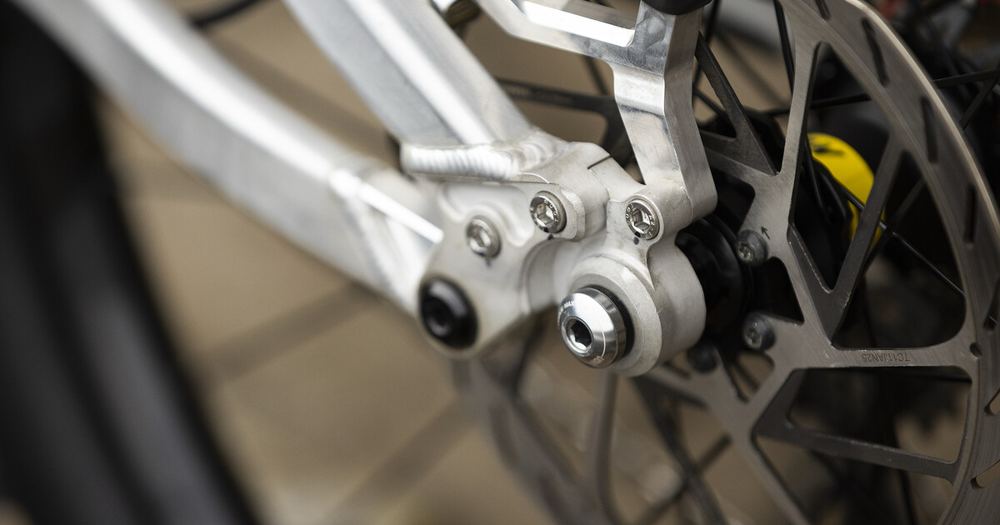
Priced at €14,741 plus VAT and duties, the Hiisi is explicitly not designed for mass production or affordability. It serves as a showcase for high-end manufacturing, utilizing CNC-machined 7075 aluminium produced entirely in Finland.
This production method highlights the stark economic realities of localized, precision European manufacturing. It requires a 100 kg block of high-grade alloy to yield a frame weighing under 4 kg, with the scrap recycled at roughly €1 per kilo versus the €8 per kilo cost of raw billets.
To manage capital expenditure, Pole 2.0 outsources the machining to a local Finnish CNC shop rather than maintaining expensive in-house machinery. The company retains direct control over the final assembly, bonding, and electroferetic colour-coating at its own industrial facility.
The bike also introduces a new supply chain dynamic by featuring a mid-power motor from Swiss firm Maxon. While established in robotics and spacecraft, Maxon is new to the e-bike sector, offering a 2 kg drive unit with 90 Nm of torque and 620 W of peak power.
This positions the Hiisi between the lightweight and high-power extremes currently dominating the market. Competitors like Bosch and Avinox are pushing peak outputs well beyond 100 Nm, making Maxon’s focus on 85 percent efficiency a distinct, niche alternative.
For European hardware investors and manufacturers, Pole’s comeback illustrates a viable, albeit narrow, survival strategy. By abandoning the volume race and targeting the apex of the premium market, the company leverages specialized regional engineering to command margins that offset its inherently high material waste.