British solar installs hit 15-year high as households cut ties to gas
Great Britain recorded its strongest half-year for new solar installations since 2011, driven by households seeking to escape volatile fossil fuel bills.
Great Britain added 142,536 solar installations in the first six months of 2026, the most in any half-year period since 2011 and a pace that puts the country on track to surpass last year's record. The surge is overwhelmingly rooftop-driven: households, not utilities, are the ones bolting panels to their homes.
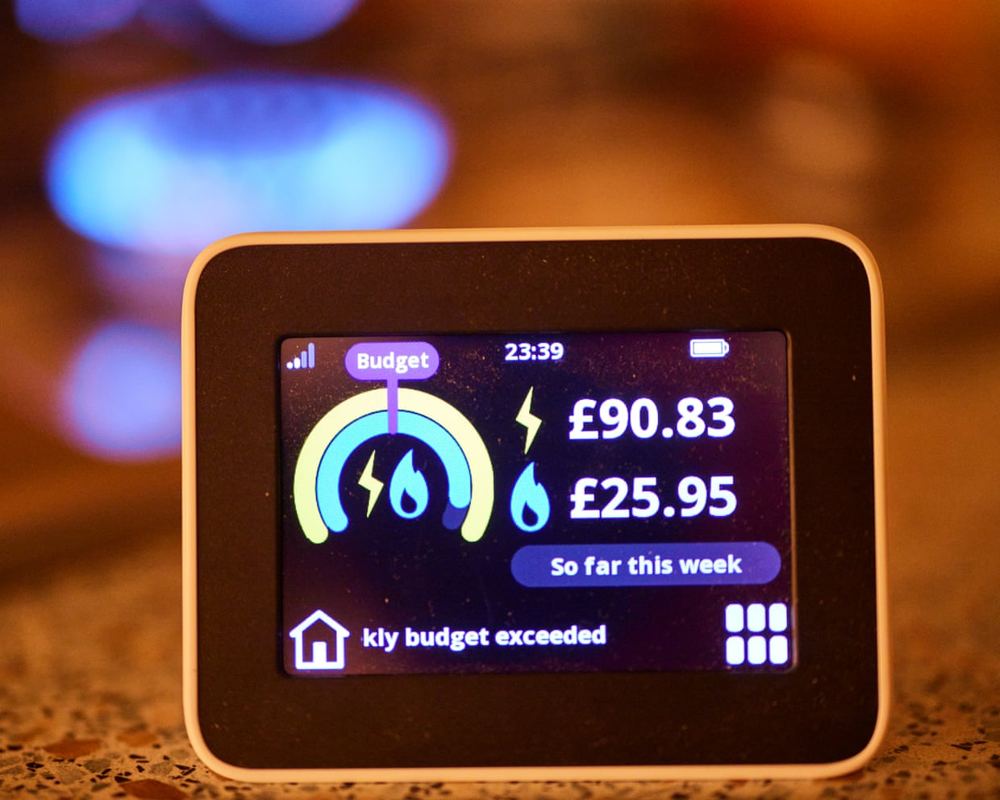
The trigger is price. Fossil fuel costs have pushed energy bills sharply higher, and the Middle East conflict sent oil and gas prices spiking earlier this year. For millions of British consumers, generating their own electricity has shifted from a green aspiration to a household budget calculation.
The numbers from suppliers confirm the scale of the shift. E.ON Next, expected to become Britain's largest energy retailer, reported a 151% jump in residential solar installations in the first half of 2026 compared with the same period a year earlier. Octopus Energy, currently the country's biggest supplier, logged a 54% monthly rise in panel sales in March alone, directly linking the spike to the conflict-driven price shock.
"More and more households are realising just how much they can save by generating and storing their own energy," said Phil Gilbert, a director at E.ON Next. On the company's solar-and-battery tariff, some customers have trimmed up to £600 off their annual energy bill. "People want to engage with their energy use, take control of their bills and rely less on the grid, and solar gives them a practical way to do that," he added.
Policy is reinforcing the trend rather than leading it. Applications to the government's boiler upgrade scheme hit 4,512 last month, a 21% increase over June 2025. The government has also raised its heat pump grant for off-grid homes by 20%, from £7,500 to £9,000, while Andy Burnham's decision to cut VAT on electricity bills from October will further reduce the running cost of heat pumps relative to gas.
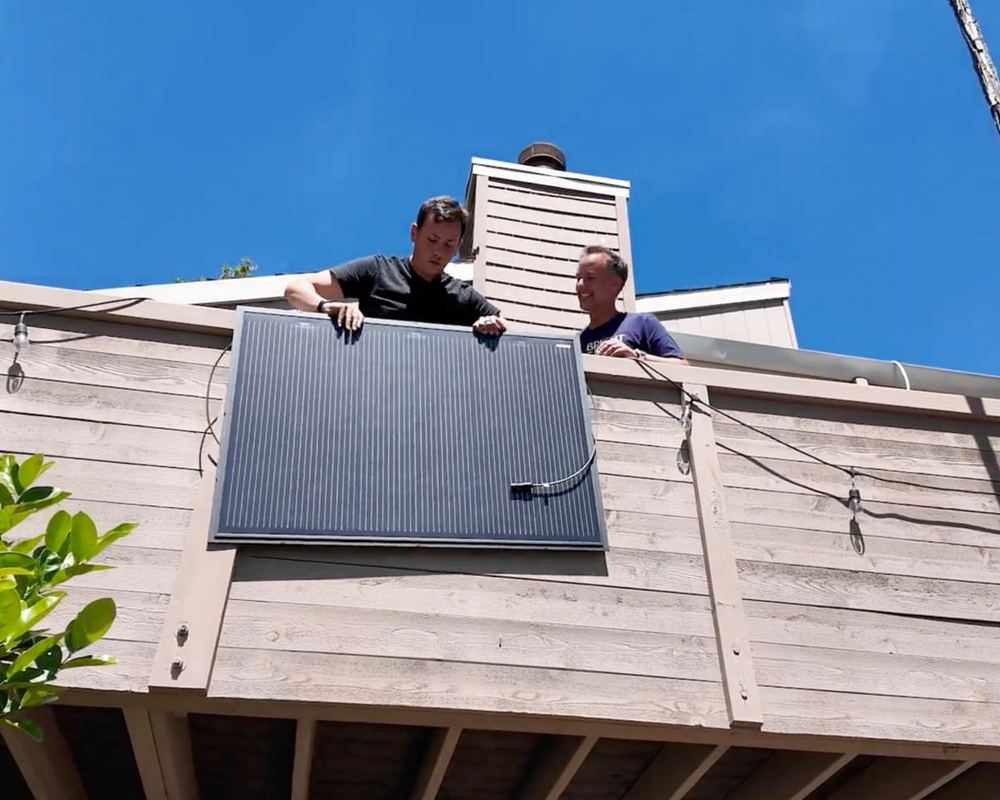
Perhaps the most telling signal for a European audience is the legislation passed this month allowing residents of flats and rented properties to install balcony solar panels by the end of August. The move brings Britain into line with a practice already widespread across the continent and opens the market to millions of households previously excluded from rooftop generation.
The cumulative picture is significant. More than 2 million solar installations now operate across Great Britain. The 1.4-megawatt Wheal Jane farm in Cornwall, which marked the country's first large-scale solar project in 2011, has been overtaken by the 373MW Cleve Hill development in Kent, which reached full output last summer, and the 800MW Springwell project in Lincolnshire, due to begin generating in 2029.
For European energy markets, the British data reinforces a broader pattern: distributed, consumer-led renewables are accelerating fastest where fossil fuel exposure is most painful. The transition is no longer something governments impose through subsidy cycles. It is something households are financing themselves, one rooftop at a time.