Greek island visa-on-arrival scheme lifts Turkish arrivals to 1.5 million
A limited visa waiver covering 12 Aegean islands has channelled a record flow of Turkish tourists into Greece's local economies, offering a rare bright spot in EU-Turkey relations while the wider Schengen system struggles with backlogs.
Nearly 1.5 million Turkish nationals visited Greece in 2025, up from 1.2 million the year before, according to Bank of Greece figures. The surge is driven largely by a visa-on-arrival programme launched in April 2024 that lets Turkish citizens stay up to seven days on 12 Aegean islands without first obtaining a Schengen visa.
Known in Türkiye as the "door visa" (kapi vizesi), the scheme initially covered 10 islands before being expanded last year. Participating destinations include Rhodes, Kos, Samos, Lesvos and Chios, all within sight of the Turkish coast. The permit cannot be extended and does not grant access to mainland Greece or any other Schengen country.
The timing matters. Turkish demand for EU travel has outstripped the processing capacity of consulates handling Schengen applications, leaving applicants facing long waits, rising fees and uncertain outcomes. The island waiver sidesteps that bottleneck entirely, requiring only a short ferry ride and an entry stamp.
"Getting a Schengen visa is becoming increasingly difficult for Turks, but this new system makes it easy and fast for us to visit the Greek islands," said Emirhan Gurses, a 21-year-old student from Manisa.
A lifeline for island businesses
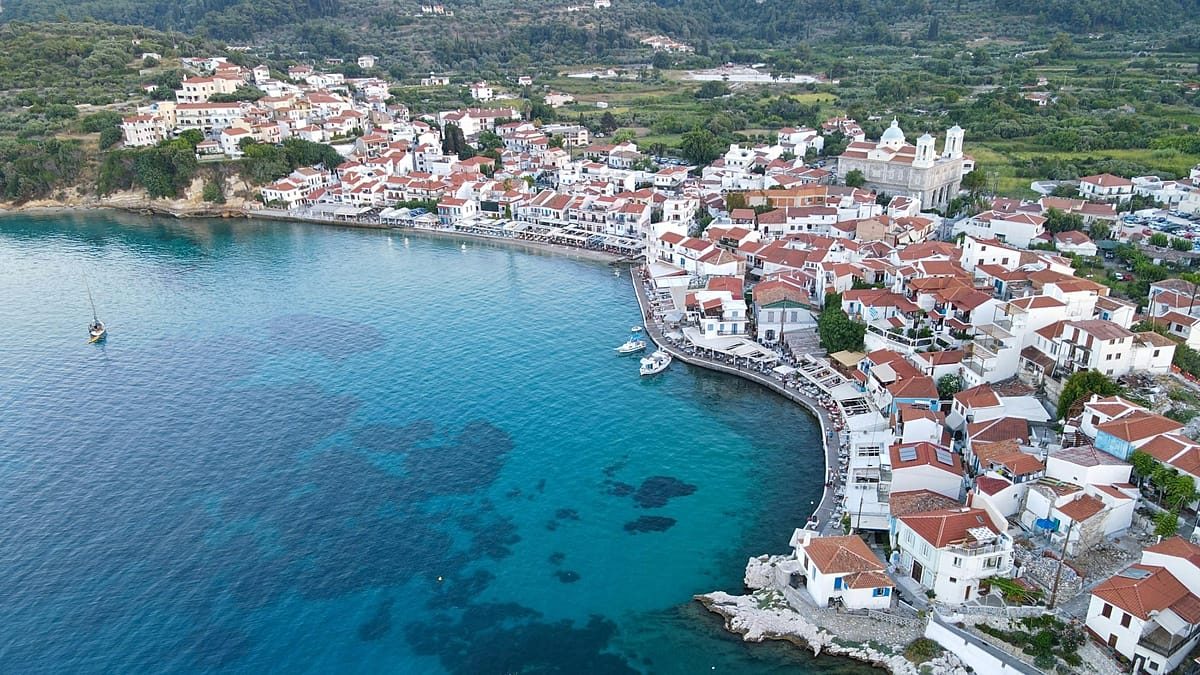
On Samos, where Turkish-flagged boats shuttle tourists throughout the day, the economic effect is visible. Business owner Giannis Kagias said the arrivals had "made a big difference" to the island's commerce. "Without Turkish visitors, I think the situation for businesses on the island would be much more difficult," he said.
Tour guide Mikail Esabalioglu, a Samos resident originally from Istanbul, confirmed that guests from Izmir and the wider Turkish Aegean coast have become a central part of the island's tourism economy. He noted, however, that processing delays at the port still cause long waits during peak periods.
Many restaurants along the Samos waterfront now display Turkish-language menus, a small marker of how quickly local commerce adapts to a new customer base.
Diplomatic momentum
Greek Prime Minister Kyriakos Mitsotakis called the programme "particularly successful" during a February visit to Ankara. "In the last year alone, hundreds of thousands of Turkish friends have travelled to the Greek islands, bringing our peoples closer together," he said, adding that both governments intend to renew the arrangement.
That renewal would sustain one of the few functioning channels of practical cooperation between the EU and Türkiye at a time when broader accession talks remain stalled. For island economies dependent on seasonal revenue, continuity of the scheme is as much a commercial question as a diplomatic one.
For travellers such as Selim Zuberi, a 38-year-old consultant from Mersin, the value extends beyond economics. People can "experience each other's cultures", he said. "History has had its conflicts, but we should not carry those burdens forever."