UK halts early prison releases as justice minister Timpson quits
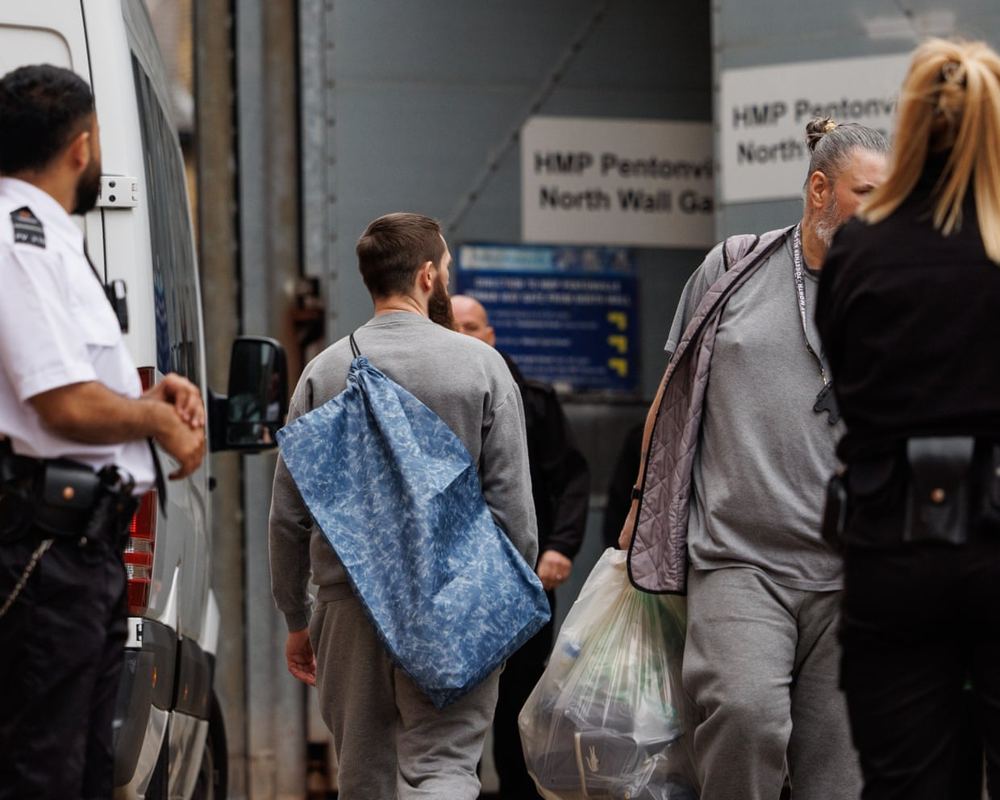
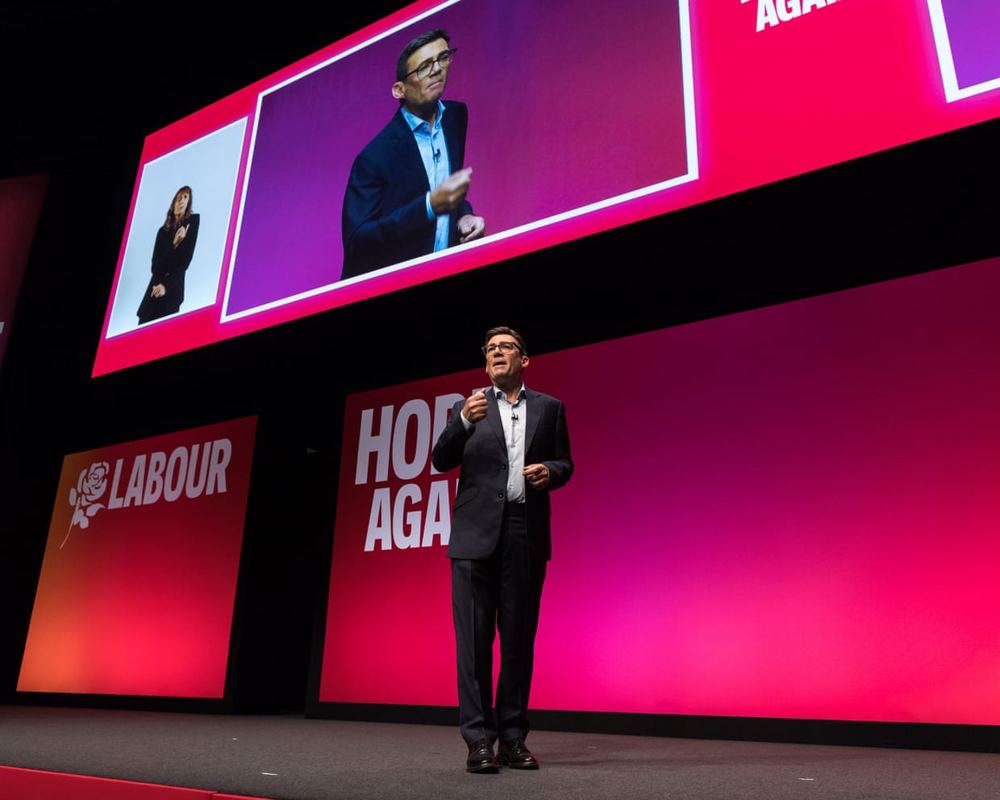
Andy Burnham's decision to suspend a prisoner-release scheme prompted the resignation of its architect, James Timpson, and threatens to plunge England and Wales's already overflowing jails back into crisis by November.
Lord Chancellor Andy Burnham has paused the Starmer government's early-release programme for prisoners, a reversal that led directly to the resignation of Justice Minister James Timpson, the scheme's architect. Timpson said it had been an "honour" to serve, but the timing leaves little doubt he left in protest at what the source material describes as Downing Street placing populism ahead of policy.
The pause could not come at a worse moment. A public accounts committee report in March warned that prisons, already at capacity, would overflow by the start of 2026. The early release of 16,000 inmates in the final quarter of 2024 bought temporary relief, but a fresh crisis is now forecast for this November. Under Timpson's law, passed in January, a large-scale expansion of electronic tagging had been prepared for a second wave of releases in September. That preparation is now suspended.
For a European audience, the numbers are striking. England and Wales imprison roughly twice the proportion of their population that Germany does, and three times the rate of Italy and Spain. In three decades, the prisoner count has doubled. The source calls it the most backward penal policy in western Europe.
Conditions inside reflect that judgement. A quarter of inmates share cells built for one person. Two-thirds spend most of their days locked up with little to do, fuelling self-harm and mental-health problems. About 40% of prisoners report that drugs are easy to obtain behind bars. Rehabilitation programmes have collapsed under budget cuts and staff shortages, and half of short-term prisoners reoffend.
The political pressure that forced Burnham's hand came from probation unions, parliamentary opponents, victim groups and the rightwing press. Kemi Badenoch, whose own party oversaw the deterioration, faces criticism for offering no alternative. The source argues that victims deserve support but should not dictate justice policy.
The contrast with Norway is instructive. In the 1990s, Norway faced a 70% recidivism rate and chose radical reform, tying correction centres to local communities, jobs and family ties. Reoffending plummeted and the prison population fell sharply. Even US states from Texas to Oregon have visited Norwegian facilities to study the model.
Britain's approach remains resistant to such evidence. The late Tory prisons minister Ann Widdecombe visited Norway in 2020, called the facility a "holiday camp," conceded it "worked," yet rejected it for lacking what she saw as proper retribution.
The institutional instability compounds the problem. Timpson's replacement, Catherine McKinnell, is the 13th prison minister in ten years. Policy continuity is effectively impossible when the role changes hands more than once a year.
The immediate risk is concrete: without the September releases, November brings a system with nowhere to put new inmates. The deeper risk is that a government which came to power promising reform has, at its first serious test, chosen the path of least political resistance. For Europe's most overcrowded prison system, that choice carries a human cost measured in shared cells, untreated addiction and a revolving door of reoffending.