UK fuel prices surge to 160p a litre amid renewed Strait of Hormuz clashes
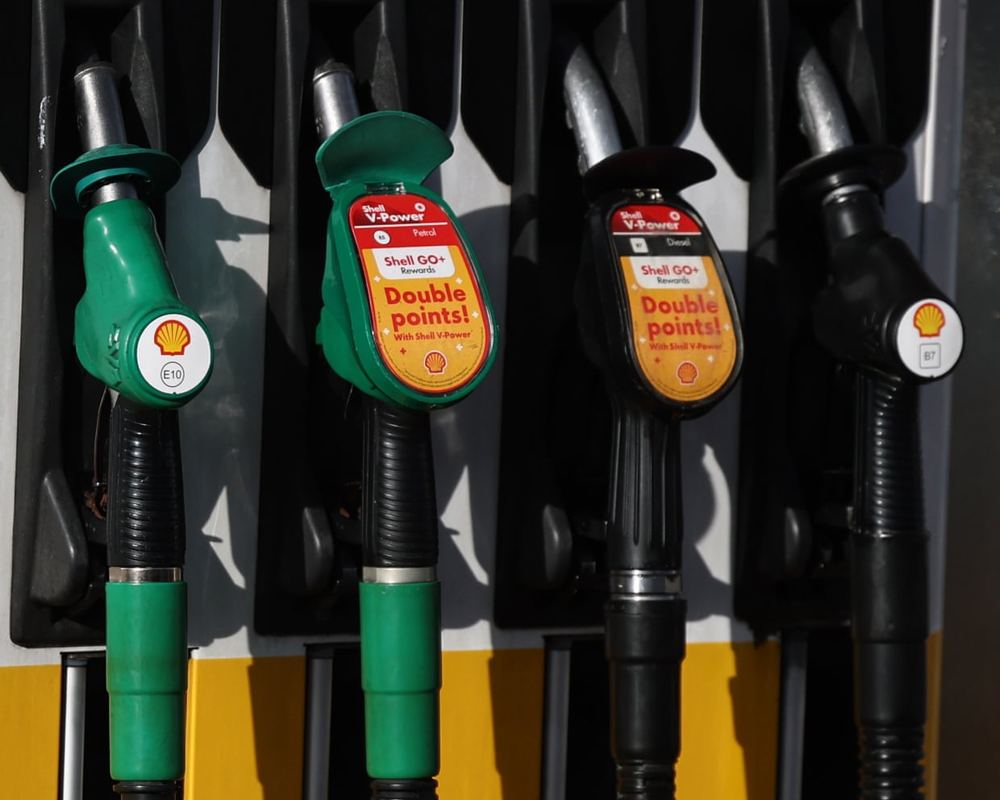
Renewed military clashes in the Middle East have driven UK petrol prices to their highest level since late 2022, illustrating how geopolitical volatility continues to inflate consumer costs and threaten retail stability across Europe.
The average price of unleaded petrol at UK forecourts has reached 160p a litre, marking the highest level since November 2022. This surge completely reverses the relief seen in early July, when prices had fallen to 151p following a temporary Middle East ceasefire.
The price jump is directly tied to escalating hostilities in the Gulf, which have pushed the international Brent crude benchmark above $90 a barrel. Iran’s Islamic Revolutionary Guard Corps recently struck two tankers transiting the Strait of Hormuz under United States air escort and turned four other vessels away.
These maritime disruptions follow a shift in Washington's strategy, as Donald Trump has recently appeared to tire of peace efforts in favor of renewed strikes against Iran. The resulting retaliation against regional allies has effectively choked off the breathing space that a June memorandum of understanding had provided for global trade.
For consumers, the immediate impact is severe, with the cost of filling a standard family car with unleaded now reaching £88. A tank of diesel, which has climbed 14.5p to 179p a litre, costs £10 more and places acute pressure on household budgets during the peak summer travel period.
Simon Williams, head of policy at the RAC, described the surge as “very unwelcome news for drivers”. He noted that while wholesale petrol costs eased marginally this week, diesel looked “set to keep on rising” and could hit 185p a litre in the coming weeks.
The timing is particularly damaging for the domestic economy, coinciding with the third week of the holiday season. According to AA spokesperson Luke Bosdet, polling indicates that 20.5 million UK drivers are taking to the roads, with millions planning journeys exceeding 200 miles.
Despite the external inflationary shock, domestic retail markets are showing signs of improved efficiency following regulatory intervention. A new fuel finder scheme introduced in May now forces all petrol stations to publicly report their prices, improving transparency across the sector.
Bosdet observed that pump prices are now tracking wholesale costs much more closely, eliminating the traditional “rocket and feather” approach to margin management. When wholesale costs plummeted in late May, retail prices followed rapidly downward, suggesting that transparency measures are successfully protecting consumers during market corrections.