FIFA faces UEFA boycott over $4.2bn private equity World Cup plan
European football nations are threatening to boycott the World Cup to block FIFA from selling tournament stakes to private investors, jeopardizing a $4.2 billion fundraising deal advised by JP Morgan.
UEFA’s 55 member nations have voted unanimously to boycott FIFA tournaments, including the men's World Cup, if the organization proceeds with plans to sell stakes to private investors. This unprecedented strike threatens to strip the global tournament of major European teams like Spain and Portugal, fundamentally damaging the product on offer.
The boycott directly threatens a $4.2 billion fundraising vehicle currently being structured by FIFA and Wall Street bank JP Morgan. By selling equity in its flagship event, the football governing body is attempting to secure a massive capital injection from private markets to fund future development cash for member federations.
JP Morgan’s involvement marks the bank's return to top-level football finance following its advisory role in the failed European Super League five years ago. After that collapse, the bank apologized, stating it "clearly misjudged how this deal would be viewed by the wider football community" and promised that "we will learn from this."
Opposition to the privatization scheme extends well beyond Europe, complicating the global investor pitch. The Asian Football Confederation, led by Sheikh Salman bin Ibrahim al-Khalifa, warned that FIFA’s unilateral actions "appear to undermine the very foundations of continental football" and called for "the highest standards of ethics and good governance."
The North American confederation, Concacaf, has also expressed deep reservations about the commercial strategy, viewing the asset sale as distasteful. In response to the growing international backlash, FIFA issued a defensive statement insisting that "nobody is selling football," despite the explicit plan to offer stakes to private funds.
For institutional investors, the UEFA boycott introduces severe execution and valuation risk into the $4.2 billion deal. A World Cup stripped of its most commercially valuable national teams would fundamentally alter the broadcast and sponsorship revenues that underpin the asset's long-term financial projections.
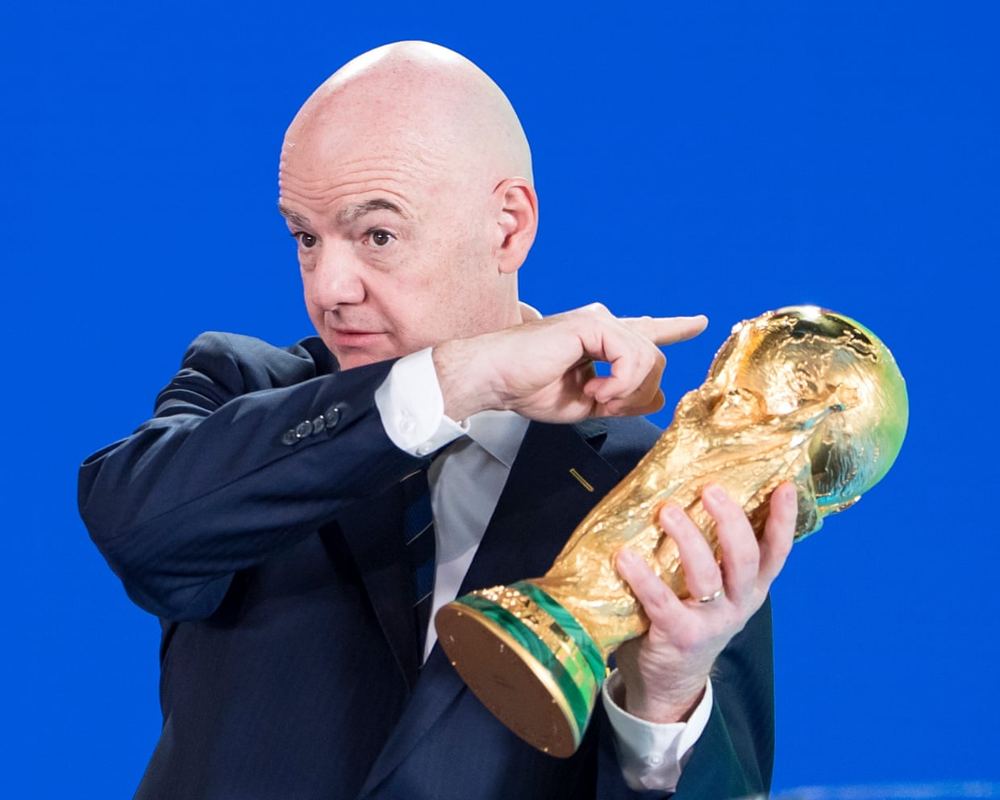
FIFA president Gianni Infantino continues to press ahead with the privatization plan despite the unified European resistance. His strategy relies heavily on leveraging private capital, but the united front from the sport's most lucrative regional confederation leaves the proposed financial vehicle in deep uncertainty.