US support for Iran war falls to one third as fuel prices surge
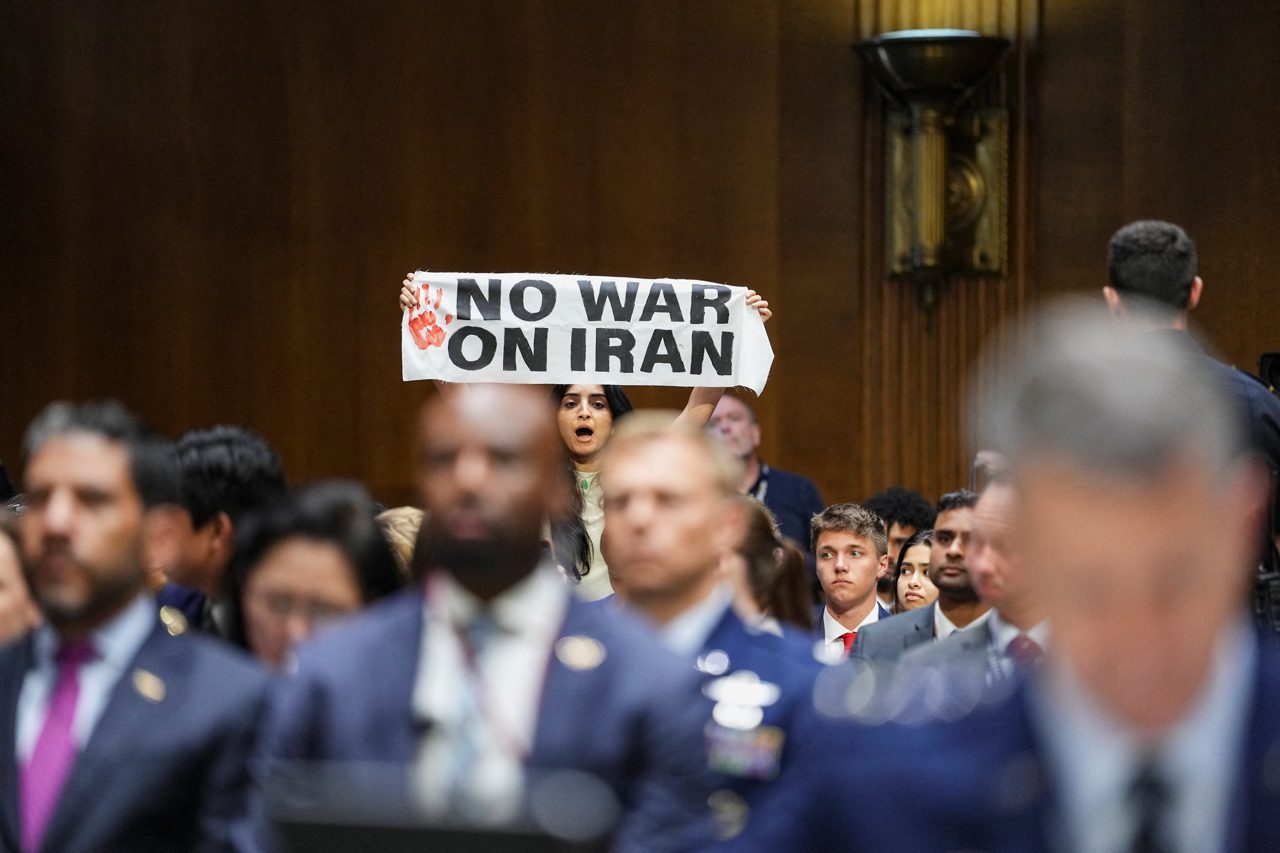
Waning domestic support for the five-month US conflict with Iran is driving up global fuel costs and distracting Washington from economic priorities ahead of crucial midterm elections.
Only one in three Americans now supports the military conflict with Iran, marking the lowest approval since the five-month-old war began. A new Reuters/Ipsos poll of 1,246 adults shows that 69 percent of the public believes President Donald Trump has failed to clearly explain his objectives.
Washington has presented changing justifications for the military campaign that began alongside Israel on February 28. These shifting objectives include neutralizing ballistic-missile threats and preventing Tehran from developing nuclear weapons.
White House spokeswoman Olivia Wales dismissed the polling data, stating that the president refuses to govern based on shifting public sentiment while pursuing his goal of blocking Iranian nuclear ambitions.
The prolonged conflict has already triggered severe economic consequences, most notably a sharp increase in energy costs. Nationwide gasoline prices have climbed to an average of just over $4 a gallon, representing a significant jump from the $3 levels seen prior to the February 28 strikes.
For European markets and global investors, sustained high energy prices driven by Middle Eastern instability threaten to reignite inflation. This volatility complicates monetary policy and increases operational costs for energy-dependent European industries.
The political fallout is also forcing the White House to divert attention from its domestic agenda. Republican strategist Alex Conant noted that the administration struggles to convince voters on financial issues while remaining heavily distracted by overseas military campaigns.
This distraction poses a significant risk ahead of the November midterm elections, where Republicans are defending slim congressional majorities. Among independent voters, Democrats now hold a commanding 36 percent to 20 percent advantage for congressional races and are similarly preferred on financial issues.
Voters who initially backed the president are expressing frustration over the lack of a clear exit strategy. Rhyan Anderson, an independent voter from Georgia, argued that the government must focus on the people who are actually in the country instead of assisting foreign allies.
Current public sentiment stands in stark contrast to the early phases of previous American military interventions. Gallup data shows that initial backing reached roughly 70 percent for the Iraq campaign and nearly 90 percent for the deployment in Afghanistan.
The human toll continues to mount, with 18 American soldiers killed alongside thousands of casualties in Iran and Lebanon. Because public backing has remained under 40 percent since the strikes began, the political and economic pressures on Washington will likely intensify.