Outdoor Gear Firms Shun Niche Innovation as Climber Develops Specialised Footwear
After outdoor brand Butora rejected a radical redesign of its struggling climbing shoe in favour of a safer, market-tested model, a professional climber has taken production into his own garage, highlighting the outdoor industry’s growing reluctance to fund hyper-specialised equipment.
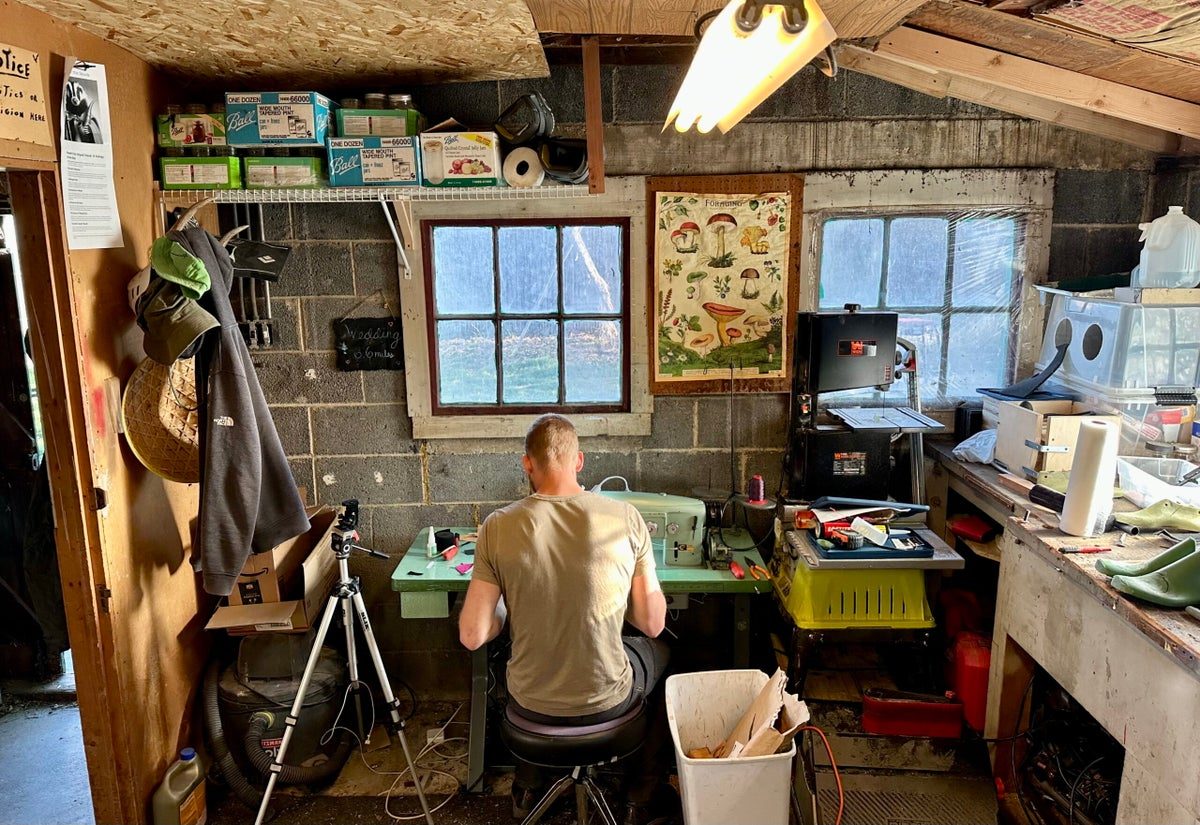
Professional climber Danny Parker has begun hand-manufacturing what he calls the "first real crack shoe" after major outdoor equipment companies declined to produce his design. The 34-year-old has spent the last six months developing the "Pronk" in his Salt Lake City garage, aiming to fill a gap in the market for hyper-specialised trad climbing footwear.
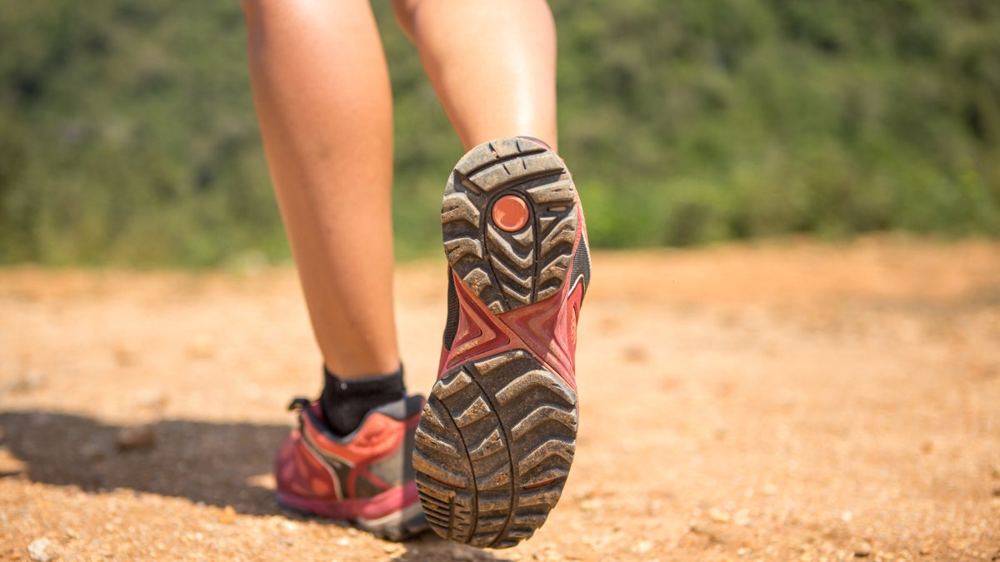
Parker’s design features an extremely low-volume toe box, boardlike sole stiffness, and heavy ankle protection. He argues this combination allows the shoe to fit into thin finger cracks while remaining durable enough for wider offwidth routes.
The independent project follows a failed collaboration with outdoor brand Butora. In summer 2024, the company approached Parker to help redesign its Alturas shoe, which was suffering from poor sales.
Despite Parker’s decade of experience modifying the original Alturas for optimal crack performance, Butora ultimately rejected his radical proposal. The brand instead chose to pivot the redesign toward the style of the La Sportiva TC Pro, the current market standard.
Parker criticises this industry trend, noting that dominant models like the TC Pro are essentially face-climbing shoes with added ankle protection. He argues that major brands simply adapt big wall shoes for crack climbing, leaving a gap for a truly flat, stiff toe box designed for narrow spaces.
This reluctance to innovate echoes the fate of the 2011 Five Ten SuperMocc, which Parker and his friend Mason Earle once attempted to replicate. The original shoe was discontinued rapidly because its lack of a midsole caused it to lose ankle support and blow out, denying it the chance to capture market share.
The episode illustrates a broader challenge in the outdoor equipment sector. As companies face pressure to streamline production and appeal to the widest possible consumer base, hyper-specialised gear is increasingly abandoned in favour of safe, versatile replicas.
Consequently, niche innovation is being pushed out of corporate research and development departments. It now relies on independent athletes and small-scale, garage-based manufacturing to serve the most demanding segments of the market.