Westminster Council moves to restrict new nightlife venues in Soho and West End
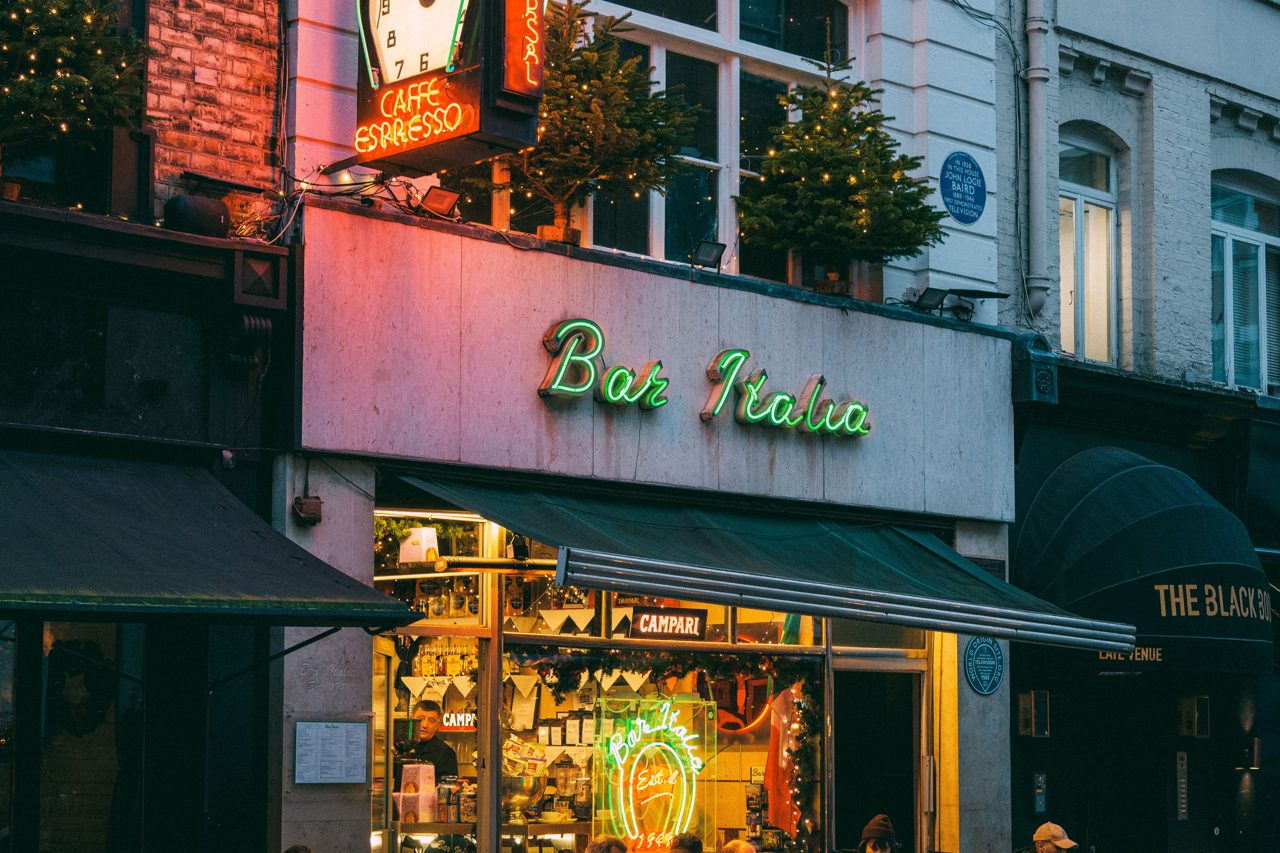
A new draft licensing policy in central London threatens to reshape the city’s hospitality sector by blocking new bars and enforcing table service, drawing sharp criticism over potential economic and cultural damage.
Westminster Council has unveiled a draft licensing policy that would prohibit the opening of new venues offering music, dancing, and similar entertainment in Soho and the West End. The proposal, currently under public consultation, targets the area’s designated Cumulative Impact Zone. It would automatically refuse applications for new pubs, bars, fast food premises, and entertainment venues in these districts.
Beyond blocking new openings, the council aims to fundamentally alter how establishments operate. The draft policy mandates that alcohol and food be served by waiter or waitress service only, eliminating the traditional model of patrons ordering and standing at the bar. Officials argue this shift will discourage excessive drunkenness by replacing high-volume vertical drinking with seated table service.
These measures follow sustained pressure from The Soho Society, a local group dedicated to preserving the character of the neighbourhood. During an annual general meeting earlier this year, members voted to challenge all new applications for bars in the area. The group also recommended restricting nightlife operations beyond 10:30 PM and 12:00 AM, which the council defines as core hours.
The proposals have triggered immediate backlash from city leadership and industry representatives. Mayor of London Sadiq Khan criticised the plans on August 6, stating that officials cannot run a world-famous nightlife district with a village-hall mindset. He emphasised that London’s hospitality and nightlife sectors support jobs, culture, and economic growth, noting that new City Hall powers will help ensure decisions reflect the wider benefits for the city.
The Night Time Industries Association (NTIA) also plans to submit a formal response to the consultation, warning of broader implications for the UK hospitality sector. Chief Executive Michael Kill expressed deep concern, noting that the proposal represents a significant shift in direction rather than a minor policy adjustment. He argued that the existing Licensing Act already provides councils with extensive powers to address premises that fail to promote licensing objectives or cause harm.
Kill further cautioned against introducing policies that favour one style of operation over another without evidence of better outcomes. For investors and hospitality companies, the draft policy signals a potential regulatory tightening in one of Europe’s most lucrative entertainment markets. If adopted, the rules could stifle new business formation, reduce employment opportunities, and alter the economic dynamics of central London’s night-time economy.