Micro-hospitality investments drive rural revival in Slovenia’s Vipava valley
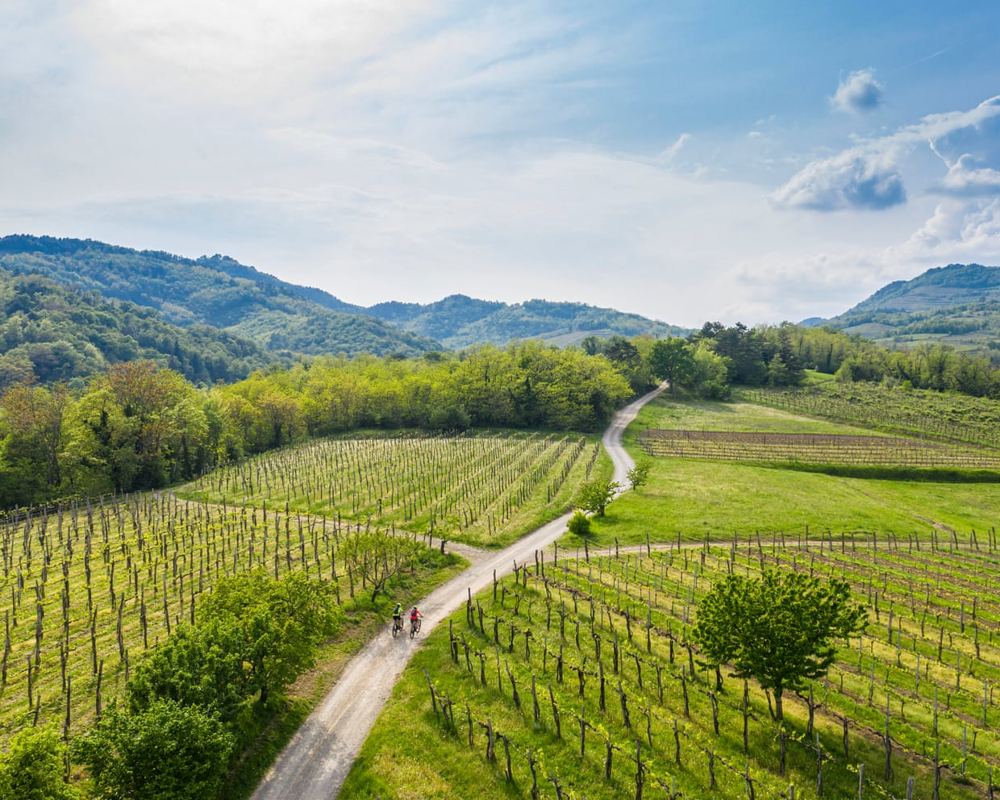
Local entrepreneurs in Slovenia’s historically overlooked Vipava valley are investing in micro-hospitality and agritourism, offering a blueprint for rural economic revitalization without mass-market development.
Local entrepreneurs in Slovenia’s Vipava valley are transforming a historically overlooked agricultural region into a hub for slow tourism. The area, located an hour south-west of Ljubljana and bordering Italy at Nova Gorica, is seeing a wave of micro-investments in hospitality and agritourism.
This shift represents a deliberate move away from mass-market branded experiences toward community-integrated visitor economies. For investors and regional planners, the valley offers a case study in how rural areas can generate sustainable revenue while reversing decades of demographic decline.
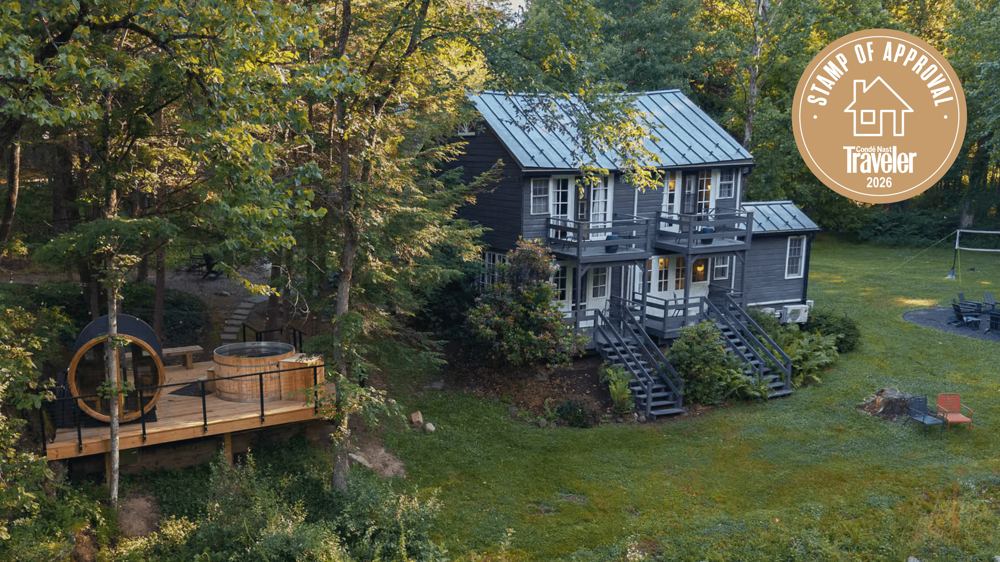
Marko and Tereza Kobal returned from Ljubljana to convert an abandoned farmstead in Planina village into Wellba, a boutique guesthouse with doubles starting at £97. The couple is already expanding, with a second property opening in 2027 and a boutique hotel planned for Vipava town.
“People who travel want to experience something that is just the way it is, without embellishment, pretence, exaggeration, somewhere authentic,” Marko Kobal says. This philosophy drives their careful renovation using traditional craftspeople to ensure the buildings endure for centuries.
The economic impact is visible in Pedrovo, a hamlet where the permanent population plummeted from 1,000 in the early 1900s to just two by the 1970s. Today, the population has recovered to 20, bolstered by new residents and holiday homeowners drawn by local enterprises.
Tom Ločniškar and Borut Kokalj launched Čilčevi Farmstead during the pandemic, scaling up to 150 local sheep and goats. Their dairy operations and village restaurant, alongside similar ventures by residents like Alenka and Mark Smerajc, are creating localized supply chains and hospitality jobs.
Jani Peljhan’s company, Wajdušna, is building the area's activity infrastructure with GPS-guided cycling and wine trains from Nova Gorica. “In Vipava valley there was no tourism, so we got to decide how to build it,” Peljhan notes.
The hospitality sector is deeply integrated with local agriculture, from Peter Lisjak’s farm-to-table restaurant at Vina Lisjak to Matic Ferjančič’s vineyard, which expanded from five to 50,000 plants. High-end dining is also present, with chef Tomaž Kavčič earning a Michelin star at Zemono Manor for his focus on regional ingredients.
Supported by the Slovenian Tourist Board, these initiatives suggest a scalable model for European rural economies. The local consensus rejects becoming a mainstream wine destination, prioritizing instead a tourism model that funds community growth without eroding local identity.