Philadelphia duo @ bring remote DIY folk model to venerated indie label 4AD
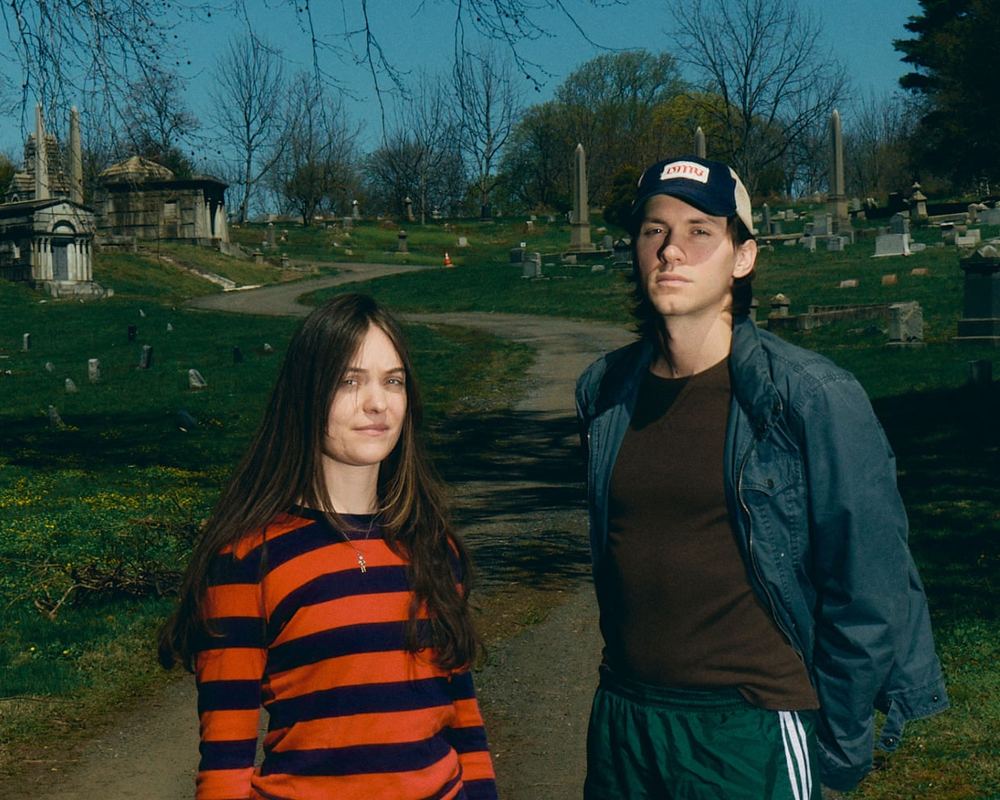
The art-folk pair’s ascent from isolated home recordings to an established independent label highlights a resilient, low-overhead production model in the modern music industry.
The Philadelphia-based art-folk duo @ has released their second album, Autosmile, marking their first project with the venerated independent record label 4AD. This release follows a period of organic, grassroots growth that has seen the pair transition from isolated home recordings to established industry recognition.
This trajectory underscores a viable, low-overhead production model within the contemporary music economy. By writing and recording separately, the duo minimises traditional studio costs while maintaining creative control, a method increasingly attractive to independent labels scouting for self-sustaining acts.
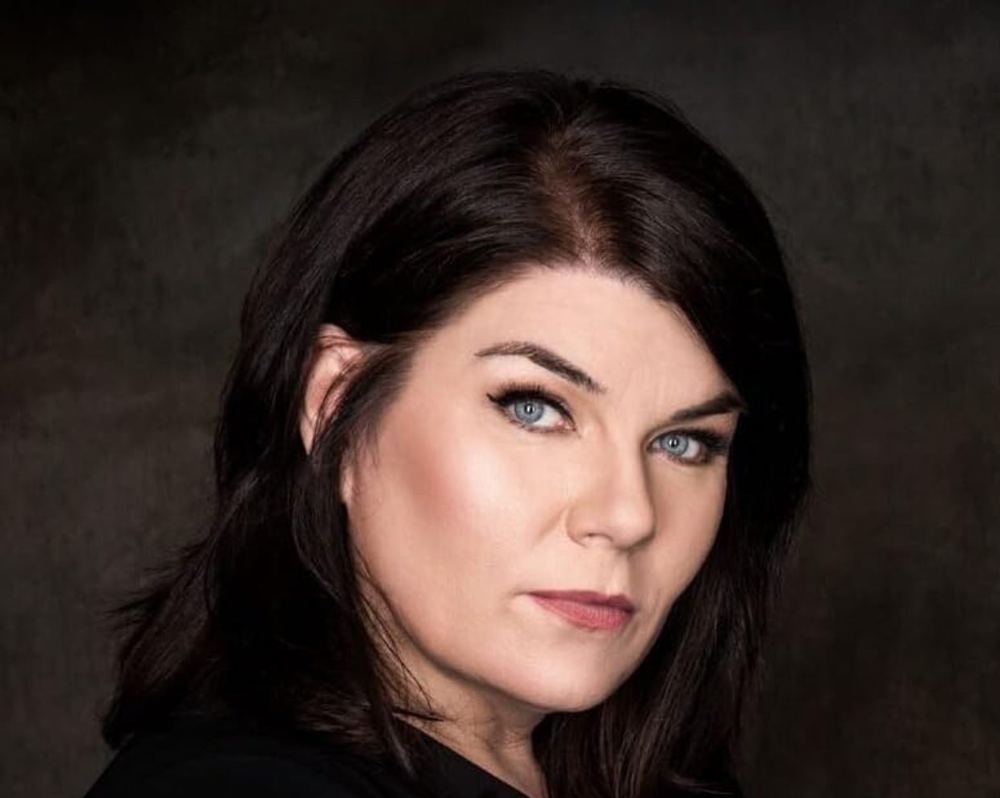
Bandmates Victoria Rose and Stone Filipczak initially reconnected during the pandemic lockdowns, sharing works-in-progress across long distances. Rose, a beekeeper who previously performed solo, and Filipczak, who came from experimental music scenes, built their sound without conventional industry pressure.
Their decentralised approach remains central to their output. "It’s easier to get something to where you want it to be when nobody’s watching you," Rose says, noting that this need for privacy applies even to her collaborative dynamic with Filipczak.
This method previously yielded their 2021 debut, Mind Palace Music, which became a sleeper favourite among indie fans. After representatives from the Washington DC indie label Carpark attended a 2022 performance, the label reissued the debut album the following year, validating the duo’s unconventional path.
Autosmile continues this acoustic, woodwind-driven aesthetic, diverging from their more processed 2024 EP. The nearly seven-minute title track exemplifies their expansive compositions, built around intertwined vocal melodies and candid, ambiguous lyricism.
Rose summarises the album’s core themes as turmoil, processing and acceptance. Filipczak adds that folk music must travel between people, warning that "if the song starts out in a hyper-individualistic place, it’s not really going to be able to make that jump," proving that collective creation can yield commercially viable art.