Reform UK enters Birmingham conference amid stalling polls and internal fractures
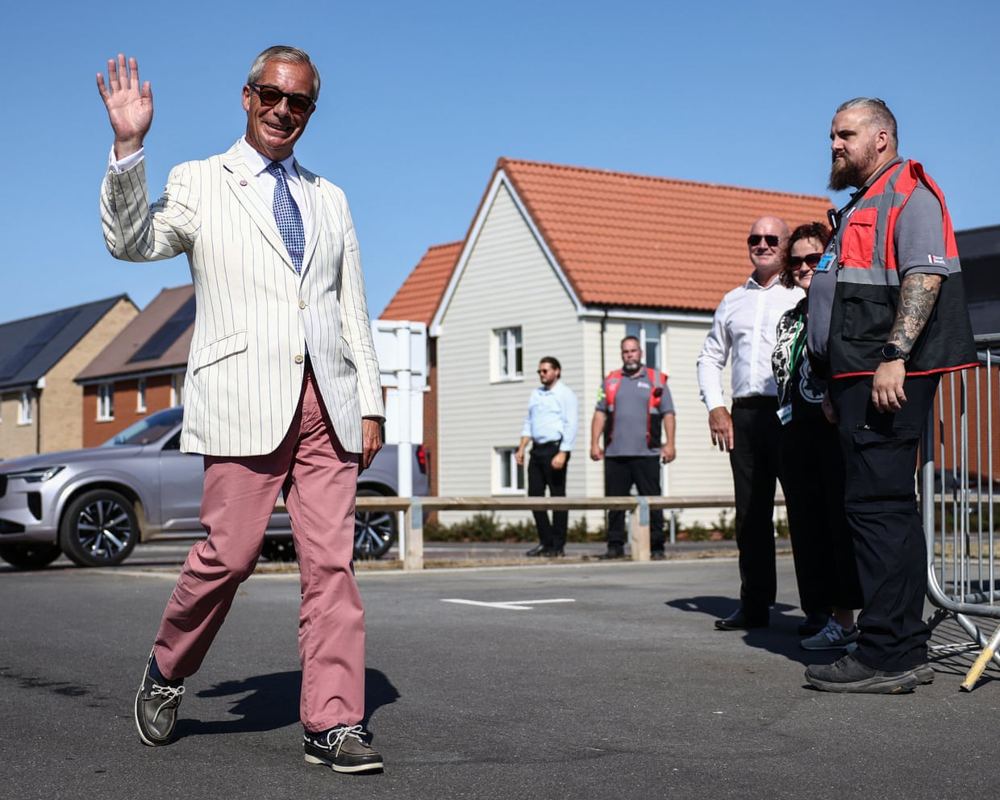
As Nigel Farage’s right-wing populist party prepares to outline its first 100 days in government at the Birmingham conference, stalling poll numbers and internal divisions signal potential volatility for the UK’s political and economic stability.
Reform UK begins its annual conference in Birmingham this week facing a stalled electoral surge and fresh internal divisions. The right-wing populist party, which dominated the news cycle during previous summer recesses, has struggled to maintain its momentum ahead of the gathering at the NEC.
For European investors and businesses monitoring the UK, the party's trajectory offers early signals of potential regulatory and economic shifts. Leader Nigel Farage is scheduled to use the event to detail the first 100 days of a hypothetical Reform government, including pledges to slash the benefits bill and eliminate corporate red tape.
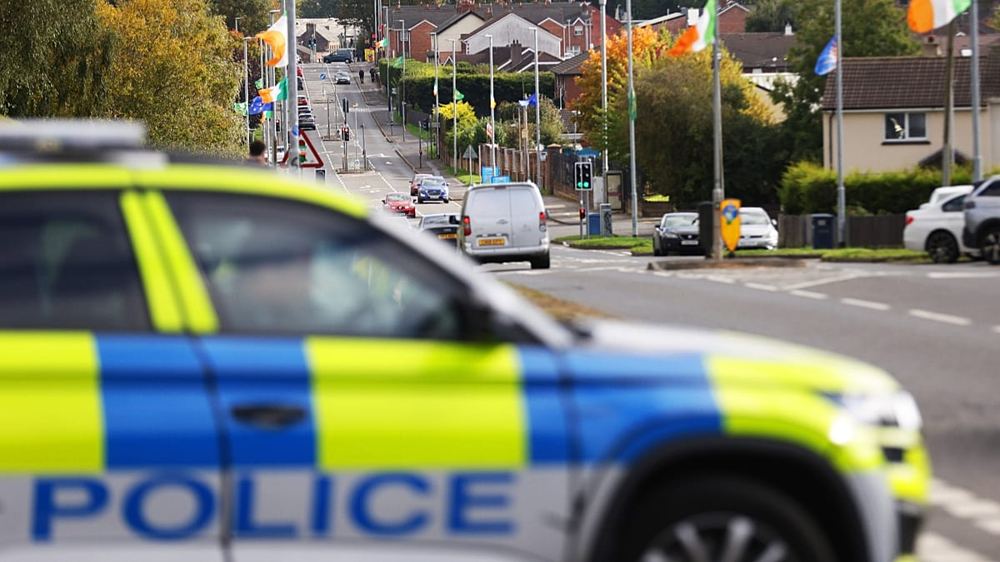
However, the summer of 2026 has proven difficult for the organisation. Unlike the previous year, which saw widespread unrest over asylum seeker hotels, the party failed to generate comparable national disruption, aside from isolated disturbances in the Norfolk market town of Thetford.
Internal fractures have also emerged within the ranks. Home affairs spokesperson Zia Yusuf was reprimanded by Farage for calling former Conservative defence secretary Ben Wallace a traitor, while high-profile activist Tim Montgomerie was suspended.
The most significant strategic misstep was Farage’s decision to trigger a byelection in Clacton. The move was an attempt to neutralize scrutiny over an undeclared £5m payment from megadonor Christopher Harborne, but it pinned the leader in Essex for six weeks.
Giles Dilnot, editor of ConservativeHome, noted the strategic flaw in that decision. "You could say that Reform are quite good at tactics but bad at strategy, and with Clacton he made a strategic mistake because it bound him to one part of the country for six weeks," Dilnot said.
Recent data reflects this electoral stagnation. A More in Common poll placed the party at 23%, four points behind Labour and marking its worst performance in 18 months. Ipsos polling similarly shows Labour leading Reform 28% to 25%.
Public confidence in Farage’s leadership is also waning. Ipsos found that 65% of the public do not believe he is ready to be prime minister, while nearly three-quarters supported continuing the parliamentary standards investigation into the Harborne payment.
The party also faces pressure from its political right. Rupert Lowe’s hard-right Restore Britain party captured 10% of the vote in a recent Dover district council byelection, helping the Greens secure a narrow victory in an area Reform had previously dominated.
Reform insiders dismiss these concerns, pointing to active local councils and a robust business engagement programme at the upcoming conference. Nevertheless, the centralised leadership style that Dilnot identifies as both the party's greatest asset and weakness will be tested as delegates gather to debate the future.