Moby urges vegan unity to challenge fast food and agricultural giants
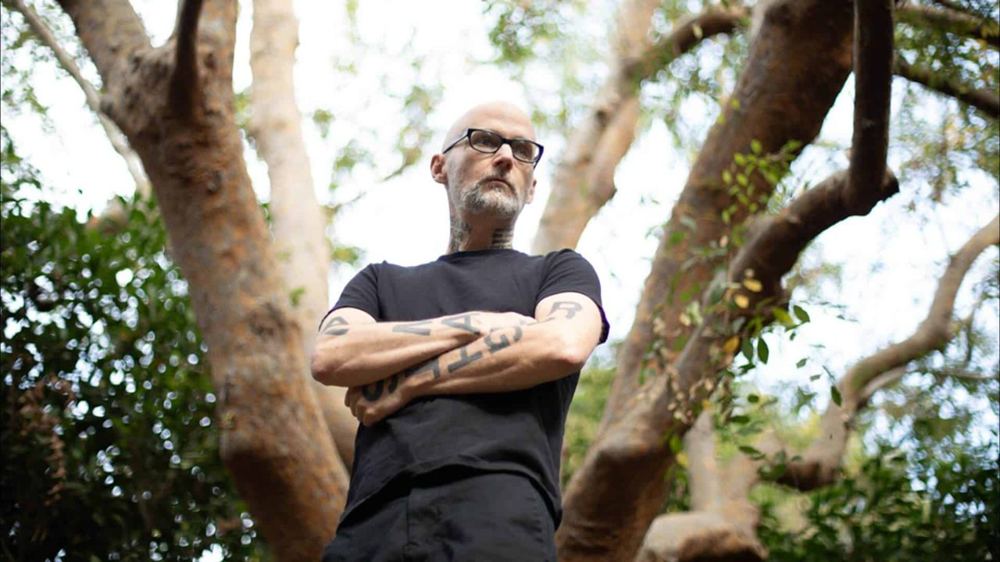
The musician used a London show to warn that internal disputes within the plant-based movement ultimately benefit major fast-food and industrial agriculture corporations.
Music producer Moby used a recent London performance to call for unity within the vegan community. He warned that internal disputes ultimately benefit major fast-food and agricultural corporations operating across Europe and globally.
Addressing the crowd, the artist highlighted his long-term commitment to the lifestyle. “I have been vegan for 39 years,” he stated, urging the audience to stop judging one another for their past dietary choices.
The core of his message directed consumer activism toward specific corporate targets rather than internal purity tests. He identified the true opposition as “Burger King”, “McDonald’s”, “Cargill”, “CAFOs”, and “industrialised animal agriculture”.
For the broader plant-based market, this intervention underscores a strategic challenge for the movement. Consumer advocacy relies on a unified front to shift market share away from established food service giants and meat producers across the continent.
When activists fracture over ideological differences, the resulting dilution of consumer pressure allows incumbent companies to maintain their dominant positions in the supply chain. This leaves industrial agriculture without facing consolidated economic or reputational threats from a coordinated public.
He urged his audience to abandon internal conflicts to protect the cause. He warned that fighting amongst themselves ensures the opposition wins, pleading for mutual support because the animals need their collective strength.
The remarks follow his recent appearance at the Old Royal Naval College in London. They also precede his scheduled headline performance alongside Underworld at The Rose Bowl this November, highlighting his continued public profile.
Moby’s sustained advocacy represents a significant intersection of popular culture and consumer economics. By leveraging his platform, he attempts to consolidate the purchasing power of the vegan demographic against major agricultural conglomerates.
A cohesive consumer base poses a more substantial long-term commercial risk to industrialised animal agriculture than a fragmented one. His call for solidarity is therefore a notable moment in the ongoing cultural shift around food production.
His career includes decades of animal rights writing, film funding and public campaigns. This background positions him as one of the most consistent voices on the subject inside dance music, giving his market commentary significant weight.