Belgian court extends detention of former NATO intern accused of espionage
A Belgian judge has denied pre-trial release to a Canadian national accused of espionage during a NATO internship, prompting renewed scrutiny of alliance security screening procedures.
A Belgian court has ordered a Canadian national of Chinese origin to remain in pre-trial detention over allegations of espionage at the North Atlantic Treaty Organization. The Indictments Chamber rejected the appeal during a closed-door hearing on Monday, extending the detention by an additional month.
Belgian authorities initially arrested the individual, identified as a woman in her thirties named Claire Z, in July. The arrest followed coordinated police raids on her apartment in the city of Mons and her workspace at NATO’s Supreme Headquarters Allied Powers Europe (SHAPE).
Prosecutors allege she spied for an unnamed third country and belonged to a criminal organisation. The specific information she is accused of obtaining remains undisclosed, and no trial date has been set as the investigation continues.
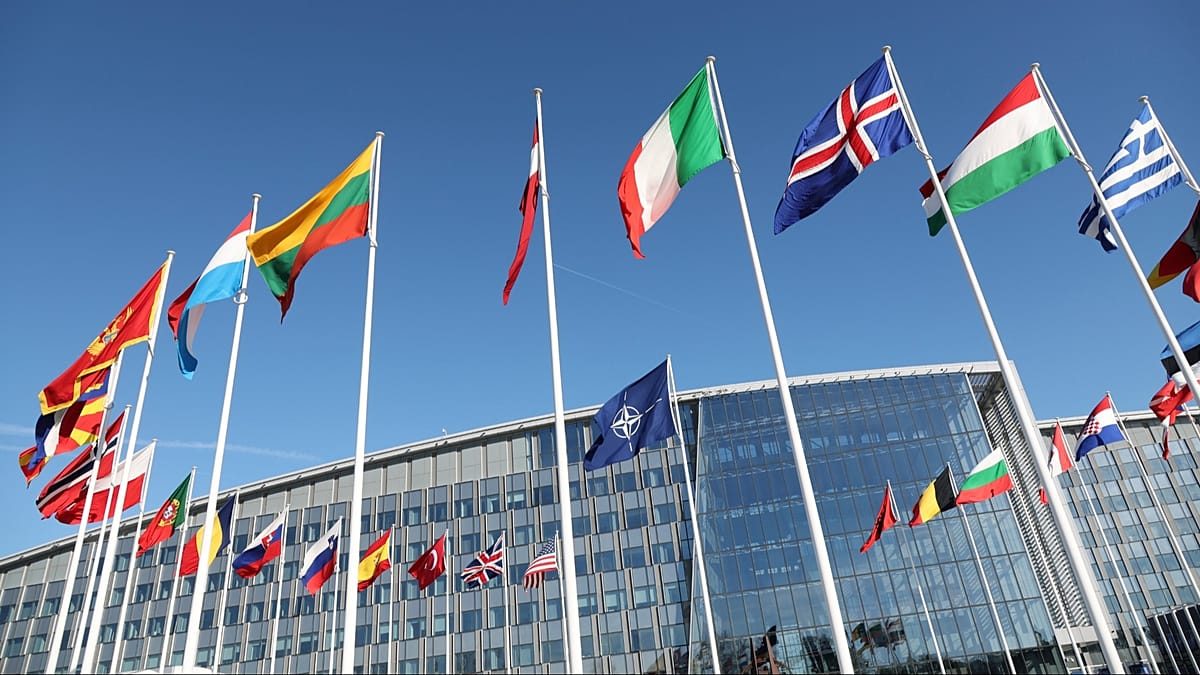
The case strikes at the heart of European security protocols, as the suspect allegedly conducted these activities while completing a six-month internship at SHAPE. This headquarters is where political directives from Brussels are converted into military action by the alliance’s leadership.
Despite the severity of the allegations, a SHAPE spokesperson stated there is currently no indication that the suspected espionage disrupted NATO’s military operations. However, the incident has intensified scrutiny over how the alliance vets temporary staff and contractors.
Candidates for the SHAPE internship programme are typically required to secure appropriate security clearance from their national authorities before participating. The breach suggests potential gaps in how these clearances are granted or monitored by member states.
The Canadian government has faced pressure to explain its role in the initial vetting process. Public Safety Minister Gary Anandasangaree stated that Canada is committed to "get to the bottom" of the arrest and ensure it does not occur again.
Addressing the broader implications, he noted that the government must review its protocols. "As a country, we will continue to investigate the processes we have and the security screening," he said. Officials in Canada’s foreign affairs ministry have not yet clarified the extent of their cooperation with Belgian investigators.