Peter Gabriel’s solo leap proves the commercial value of creative risk
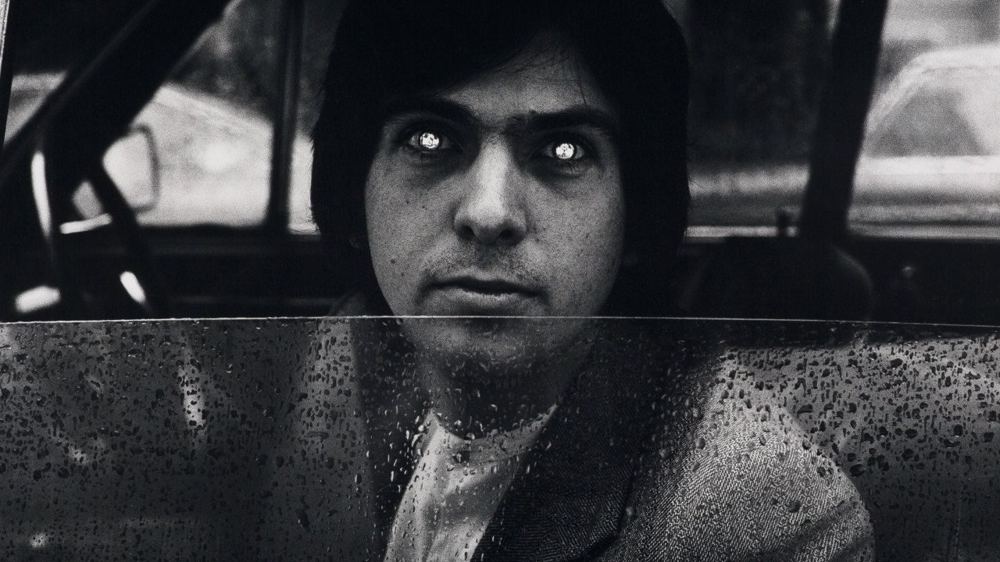
By leaving a band committee to forge an independent path with international collaborators, Peter Gabriel demonstrated how strategic risk-taking builds enduring commercial success in the creative economy.
In the late 1970s, Peter Gabriel transformed from a member of a musical committee into a global pioneer by launching a fiercely independent solo career. Between 1977 and 1982, he released four self-titled albums that not only redefined progressive rock but also established a highly successful template for artistic and commercial autonomy.
Gabriel’s departure from Genesis in April 1975 at age 25 was a significant calculated risk. He stepped away from the music business to focus on his family before returning in mid-1976 to build his own enterprise from the ground up. As he noted regarding his hit Solsbury Hill, success requires being "prepared to lose what you have for what you might get, or what you are for what you might be."
To execute this vision, he strategically looked outside the traditional UK production system. He hired Canadian producer Bob Ezrin, known for his work with Alice Cooper and Lou Reed, to oversee his debut, released in February 1977. Ezrin brought a reliable "crew of regulars" to Nimbus Studios in Toronto, operating with the disciplined efficiency of a sports coach.
Gabriel also negotiated to bring in specific talent to round out his sound, securing bassist Tony Levin, keyboardist Larry Fast, and ex-King Crimson leader Robert Fripp. This collaborative approach yielded a debut album that reached number seven in the UK and number 38 in the US. The record proved his commercial nous and established a distinct market identity separate from his past.
For his June 1978 follow-up, Gabriel shifted his operational strategy by making Fripp the producer. The sessions were conducted at a rapid pace across the Hit Factory in New York and Relight Studios in the Netherlands. This agile, cross-border approach resulted in a sparse, harder sound that captured a raw, spontaneous energy.
Gabriel’s early solo work illustrates how creative professionals can thrive by embracing autonomy and international collaboration. By taking control of his production and deliberately experimenting with new styles, he secured a unique position in the market. His trajectory remains a masterclass in how calculated risk and strategic partnership drive long-term viability in the cultural sector.