Germany shuts Russian consulates after blaming Moscow for Leipzig drone attack
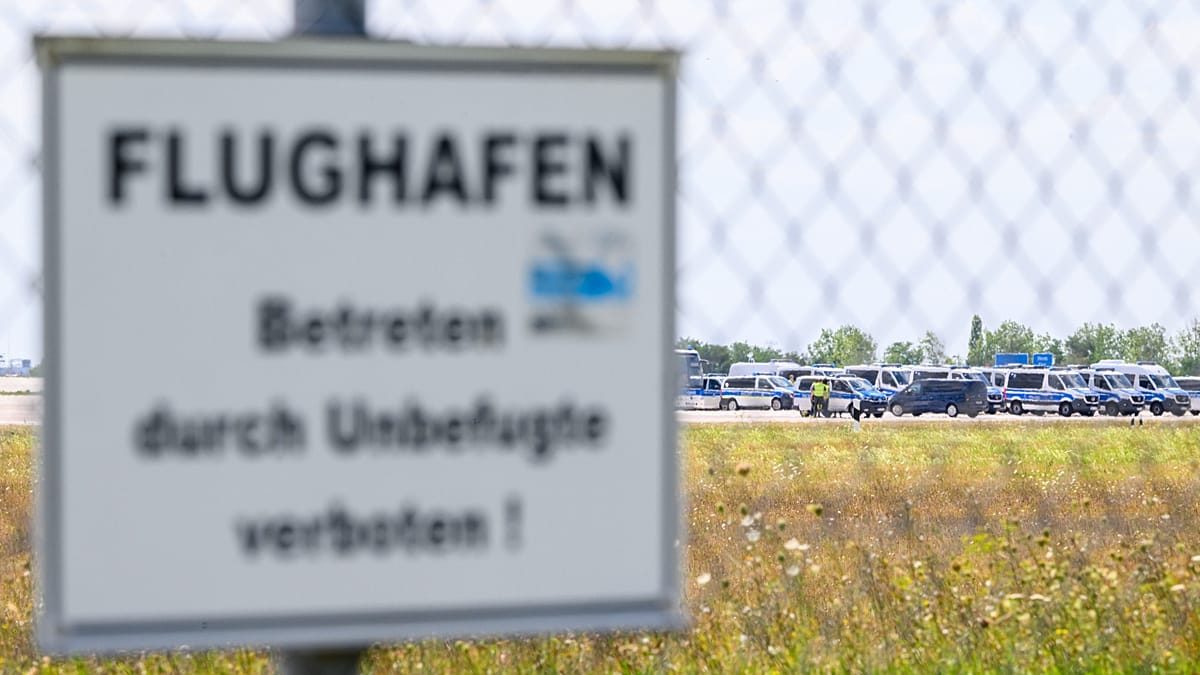
Berlin is closing Russian diplomatic facilities and tightening border controls after attributing an explosive-laden drone incident at a key military logistics hub to Moscow, signaling a major escalation in European security tensions.
German authorities have formally blamed Russia for an attempted drone attack at Leipzig/Halle Airport last month. Interior Minister Alexander Dobrindt stated on Tuesday that the incident aligns with Moscow’s established pattern of hybrid operations across the continent.
Security forces raised the alarm after discovering an explosive device near a Ukrainian cargo plane on the night of 4-5 August. Police deployed a robot to defuse the payload at the eastern German facility, which serves as a critical transit point for NATO and German military supplies.
Investigators later found a second drone in the vicinity containing traces of explosive material. The airport also operates as a base for Ukraine’s Antonov Airlines, underscoring its strategic importance to Kyiv's logistics and making it a prime target.
In response, Foreign Minister Johann Wadephul announced the closure of the Russian consulate in Bonn by 18 September. Berlin will also shut down the Russian House of Science and Culture in the capital and implement stricter border controls for Russian citizens.
The government plans to increase economic pressure on Russia’s shadow fleet of oil tankers. Chancellor Friedrich Merz noted that Germany has increasingly found itself in the crosshairs of hybrid attackers, warning previously that perpetrators would pay for their actions.
The targeted Berlin cultural centre, a seven-story building opened in 1984, has long drawn security concerns. Conservative lawmaker Roderich Kiesewetter recently described the facility as a suspected espionage hub housing over 100 unidentified residents and disproportionate power consumption indicative of surveillance equipment.
The fallout extends beyond Berlin, with Germany preparing to raise the issue at the NATO Council as soon as Wednesday. European Commission President Ursula von der Leyen expressed full solidarity with Merz, while EU top diplomat Kaja Kallas condemned the kinetic hybrid attacks designed to deter European backing for Ukraine.
Kallas emphasized that the bloc intends to deploy its most far-reaching sanctions against Moscow yet. Meanwhile, the Russian embassy categorically rejected the allegations, with Ambassador Sergey Nechayev calling the claims absurd and warning of severe consequences for the unprecedented escalation.