Germany blames Russia for airport drone attack as EU prepares coordinated response
Berlin has formally attributed a drone sabotage at Leipzig airport to Moscow, prompting the European Union and NATO to prepare a unified defence and sanctions response amid a wider wave of hybrid threats across the continent.
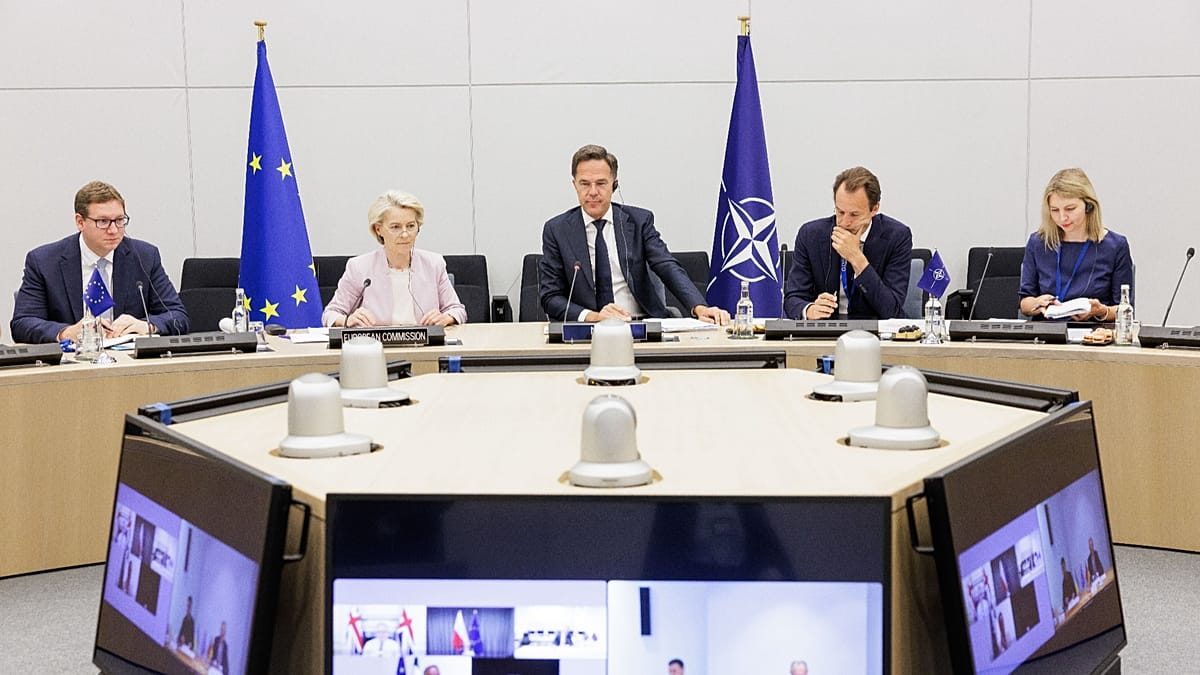
Germany formally blamed Russia on Monday for an explosive-laden drone attack at Leipzig/Halle Airport in early August. The attribution prompted European Commission President Ursula von der Leyen to announce a meeting with NATO Secretary-General Mark Rutte to coordinate a joint response.
Interior Minister Alexander Dobrindt stated that the methods used in the 4 August sabotage matched previous Russian hybrid operations against Ukraine. Consequently, Berlin has shut down the Russian consulate in Bonn and the Russian House in the capital.
Foreign Affairs Minister Johann Wadephul described the sabotage as part of a broader campaign of destabilisation and aggression directed at Europe. The incident involved a drone found near a Ukrainian military cargo aircraft, followed by a second unmanned aerial vehicle colliding with a plane and preventing it from landing.
Von der Leyen pledged full solidarity with Berlin, declaring: "We will keep the EU united despite these escalating and serious acts." Rutte agreed, noting that "the evidence is clear" regarding Moscow's involvement and that the alliance will strengthen its ability to defend members against malign actions.
The sabotage is part of a wider escalation of kinetic hybrid incidents across the continent. EU foreign policy chief Kaja Kallas argued that Moscow is trying to "scare us away" from supporting Ukraine, while Estonian Defence Minister Hanno Pevkur observed that Russia is "testing always this threshold, where is this red line".
Airspace violations were reported in Romania and Estonia on Tuesday, coinciding with the discovery of several improvised explosive devices near a German coal-fired power plant. Irish Foreign Minister Helen McEntee noted that threats are materialising across the land domain, making support for Ukraine central to the Irish EU council presidency.
Political leaders are moving to ensure a unified front as foreign ministers prepare additional sanctions against Moscow. Italian Prime Minister Giorgia Meloni stated that "Attempts to intimidate us or to drive a wedge between Allies will not succeed", echoing French President Emmanuel Macron’s support for new European penalties.
The Russian government has strongly rejected the allegations. The embassy in Berlin denied the claims and threatened consequences for the new penalties, while the foreign ministry condemned European nations for assigning blame before an investigation concluded.