Longevity
Longevity science and advice: live longer and better — research, breakthroughs and daily habits.
The Longevity Protocol
Evidence-based habits to live longer and better — the EUROPES sequence.
Move every single day
At least 150 minutes of moderate exercise per week. Daily movement is the closest thing to a longevity pill.
Build and keep muscle
Strength training 2–3 times a week. After 40, muscle mass is one of the strongest predictors of how long and how well you live.
Train your VO₂ max
Cardiorespiratory fitness is the single strongest predictor of lifespan. Add intervals: 4 minutes hard, 4 minutes easy.
Sleep 7–9 hours, same schedule
Deep sleep clears the brain and regulates hormones. Going to bed at the same time matters as much as the hours.
Eat like the Mediterranean
Olive oil, fish, legumes, nuts, vegetables. The most consistently proven longevity diet in the world.
Protein at every meal
Aim for 1.2–1.6 g per kg of body weight daily to protect muscle as you age.
Never smoke anything
Smoking costs roughly 10 years of life. Quitting at any age starts recovering them.
Keep alcohol minimal
There is no longevity benefit in alcohol. The less, the better — period.
Know your blood pressure
Keep it near 120/80. Hypertension silently damages brain, heart and kidneys for decades.
Guard your metabolic health
Watch waist size, fasting glucose and HbA1c. Insulin resistance accelerates every disease of aging.
Invest in relationships
Loneliness is as lethal as smoking 15 cigarettes a day. Strong social ties add years — it is the Blue Zones secret.
Have a reason to wake up
Purpose — what the Japanese call ikigai — is linked to significantly lower mortality.
Master your stress
10 minutes of daily breathing or meditation lowers cortisol, blood pressure and inflammation.
Walk after meals
A 10–15 minute walk after eating flattens glucose spikes and aids digestion.
Heat exposure works
Finnish studies: sauna 4–7 times a week is associated with up to 40% lower cardiovascular mortality.
Avoid ultra-processed food
Each 10% increase in ultra-processed intake raises all-cause mortality. Cook real food.
Stop eating late
Finish dinner 2–3 hours before bed. A consistent eating window improves metabolic flexibility.
Keep learning forever
Languages, instruments, new skills — cognitive reserve delays dementia by years.
Get screened on time
Colonoscopy, blood panels, skin checks. Almost everything that kills is cheaper to catch early.
Live near green, walk daily
Access to nature and walkable streets is associated with longer life in every major cohort study.
Longevity news
 E
E
This daily habit could lower dementia risk by 35%, scientists say
A huge long-term study found that drinking two to three cups of coffee a day was linked to a much lower risk of dementia, especial…
 E
E
Scientists successfully transfer longevity gene and extend lifespan
Scientists at the University of Rochester pulled off a remarkable experiment: they transferred a longevity-related gene from the f…
 E
E
Scientists say travel could slow aging and boost your health
A new study suggests travel could be a surprisingly powerful anti-aging tool. By viewing tourism through the lens of entropy, rese…
 E
E
This simple blood test might detect depression before symptoms appear
A new study suggests depression may soon be detectable through a simple blood test—by tracking how certain immune cells age. Resea…
 E
E
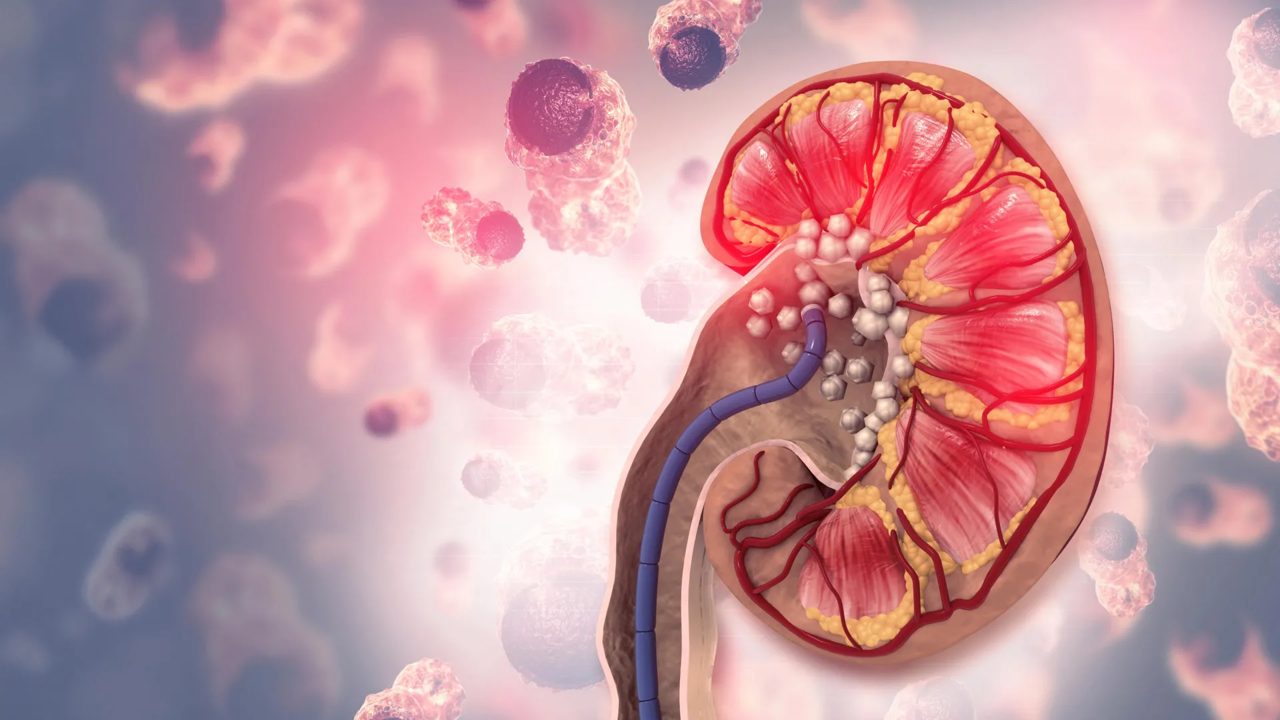
Why drinking more water didn’t prevent kidney stones
Kidney stones are notoriously painful—and frustratingly common, with many people facing repeat episodes. A massive new study teste…
 E
E
These 80-year-olds have the memory of 50-year-olds. Scientists now know why
A rare group of adults over 80, known as SuperAgers, are rewriting what we thought was possible for the aging brain. With memory a…
 E
E
A simple blood test could reveal Alzheimer’s risk years early
A routine blood marker tied to inflammation may reveal Alzheimer’s risk years in advance. Scientists found that higher neutrophil …
 E
E
Doing this throughout life may cut Alzheimer’s risk by 38%
A lifetime of mental stimulation—like reading, writing, and learning new skills—may help protect the brain as we age. People with …
 E
E
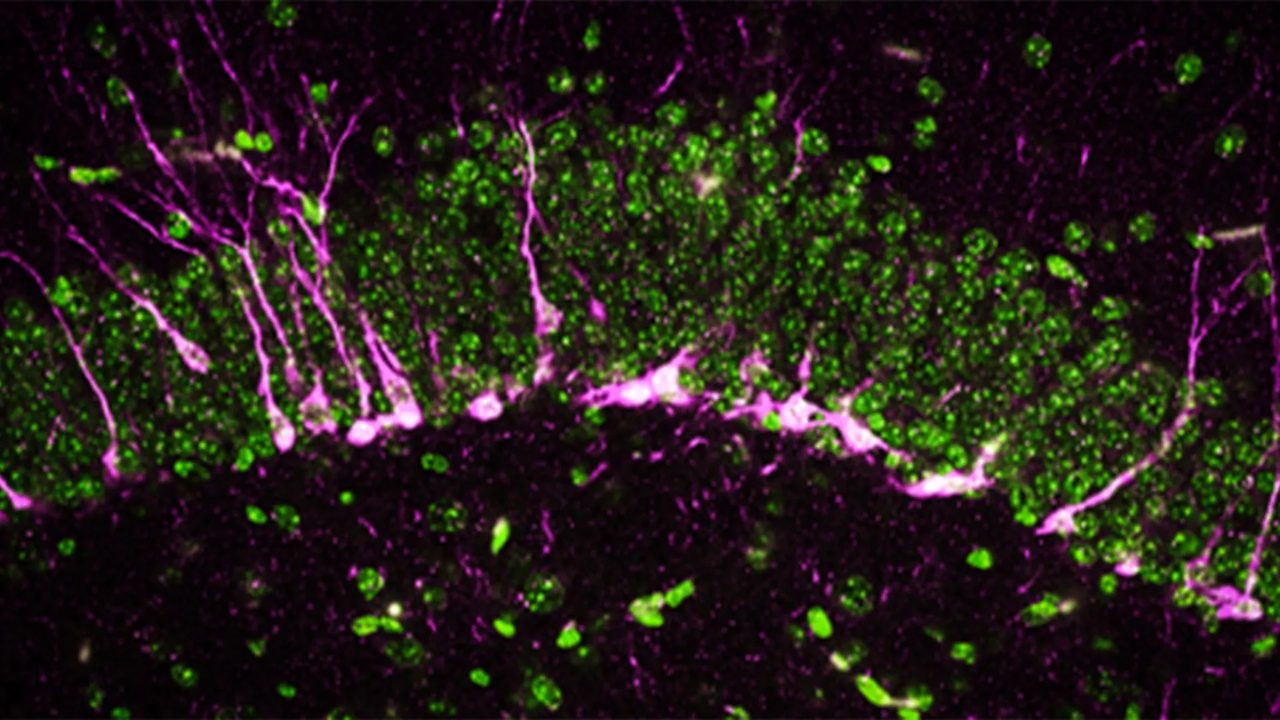
Scientists were wrong about lifespan. Your genes matter way more than we thought
For years, scientists believed our lifespan was mostly shaped by environment and chance, with genetics playing only a minor role. …
 E
E
This “rotten egg” brain gas could be the key to fighting Alzheimer’s disease
Scientists have uncovered a surprising new player in Alzheimer’s disease: a protein called CSE that helps produce tiny amounts of …
 E
E
Your vitamin D levels in midlife could shape your brain decades later
Vitamin D levels in midlife may play a bigger role in long-term brain health than previously thought. In a study following nearly …
 E
E
Deafness reversed: One injection restores hearing in just weeks
A new gene therapy is giving people born deaf the chance to hear, often within just weeks. In a small but groundbreaking study, re…
 E
E
Eating more meat may lower Alzheimer’s risk for some people
A surprising new study suggests that genetics may change how diet affects brain health—especially when it comes to Alzheimer’s ris…
 E
E
Just a few minutes of effort could lower your risk of 8 major diseases
Just a few minutes of getting out of breath each day could dramatically cut your risk of major diseases—including heart disease, d…
 E
E
This popular supplement may increase risk of birth defects, study finds
A new study reveals that high doses of antioxidants—often seen as harmless or beneficial—may actually impact future generations. M…
 E
E
What you do in midlife could reveal how long you’ll live
By closely monitoring fish throughout their lives, researchers found that simple behaviors in midlife—like movement and sleep—can …
 E
E
Men are losing a key chromosome with age and it may be deadly
Aging men often lose the Y chromosome in a growing number of their cells—and it may be far more dangerous than once believed. This…
 E
E
Your daily coffee may be protecting your brain, 43-year study finds
Your morning coffee or tea could be quietly supporting your brain health. A long-term study found that moderate consumption of caf…
 E
E
You don’t need to lose weight to reverse prediabetes, study finds
For years, people with prediabetes have been told the same thing: lose weight or risk developing diabetes. But new research flips …
E
Scientists finally reveal how this Alzheimer’s drug really works
A key Alzheimer’s drug has finally revealed its secret. Researchers discovered that lecanemab works by activating the brain’s immu…
 E
E
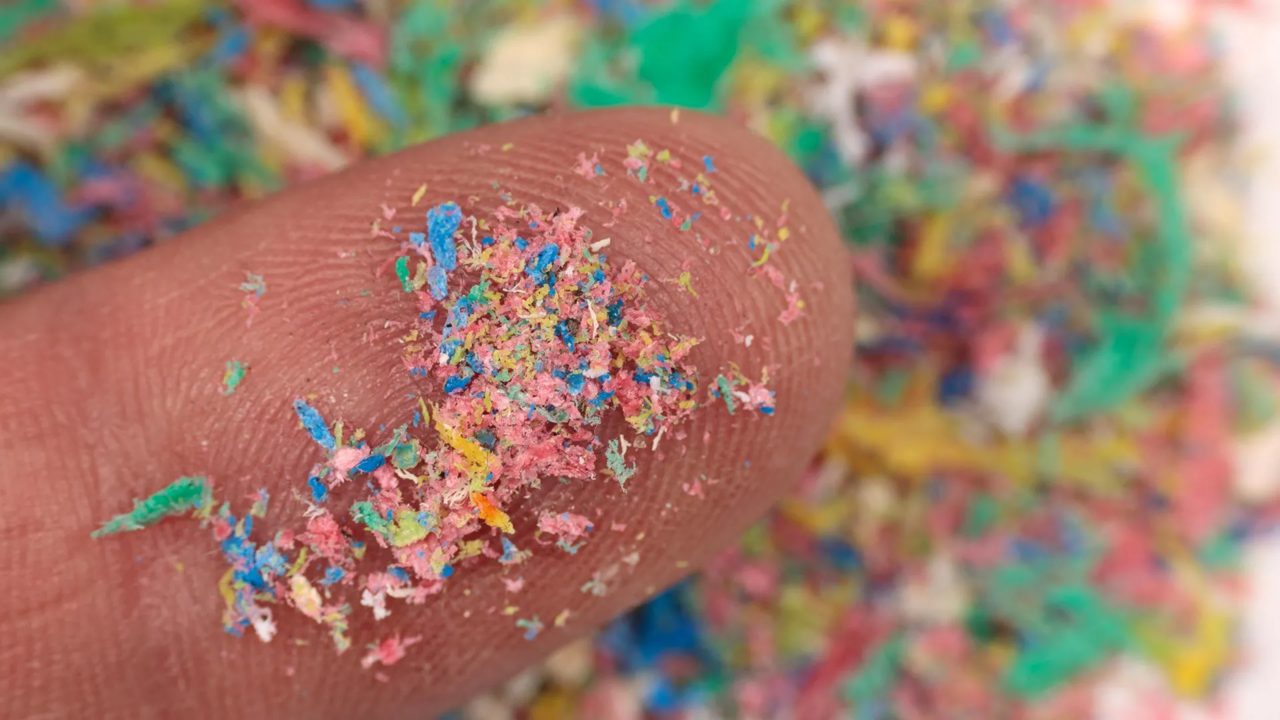
Microplastics may be quietly damaging your brain and fueling Alzheimer’s and Parkinson’s
Tiny plastic particles may be quietly threatening brain health. New research suggests microplastics—now widely found in food, wate…
 E
E
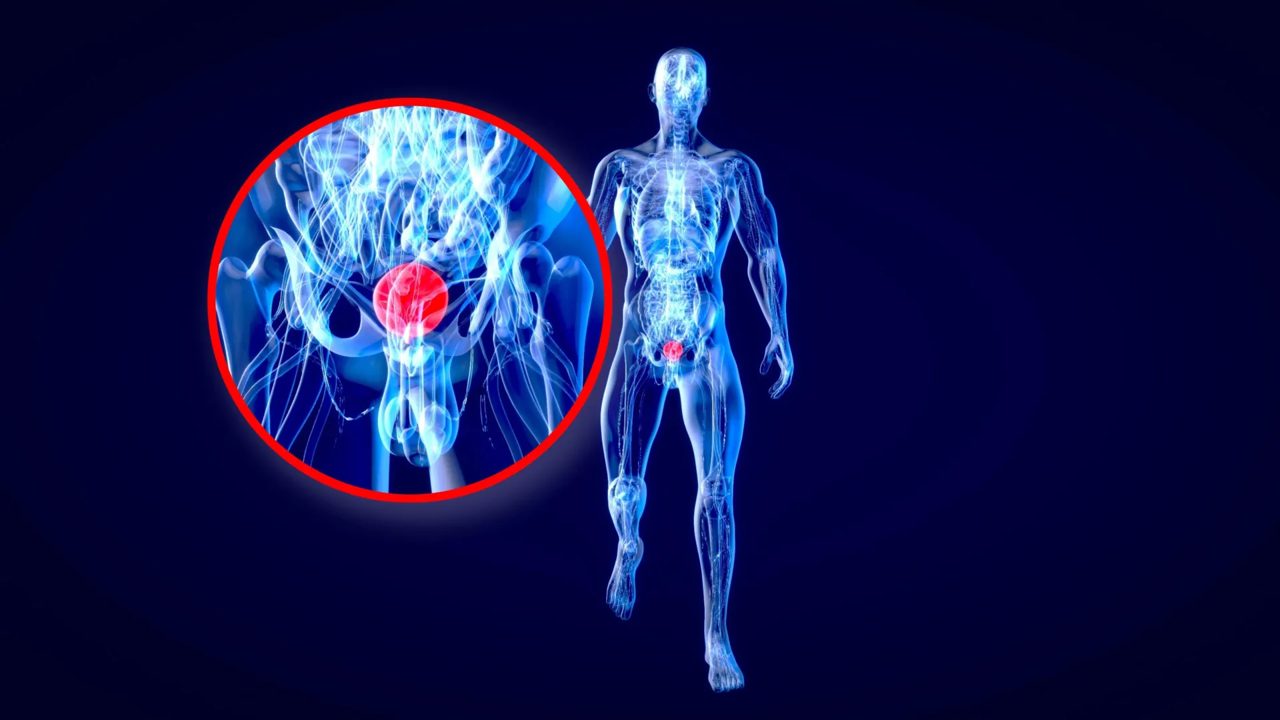
Stanford scientists say colorblindness may hide a deadly bladder cancer warning
Colorblindness may be doing more than making traffic lights confusing — it could also be hiding a life-threatening warning sign. R…