Pentagon study finds decaying US defense research infrastructure
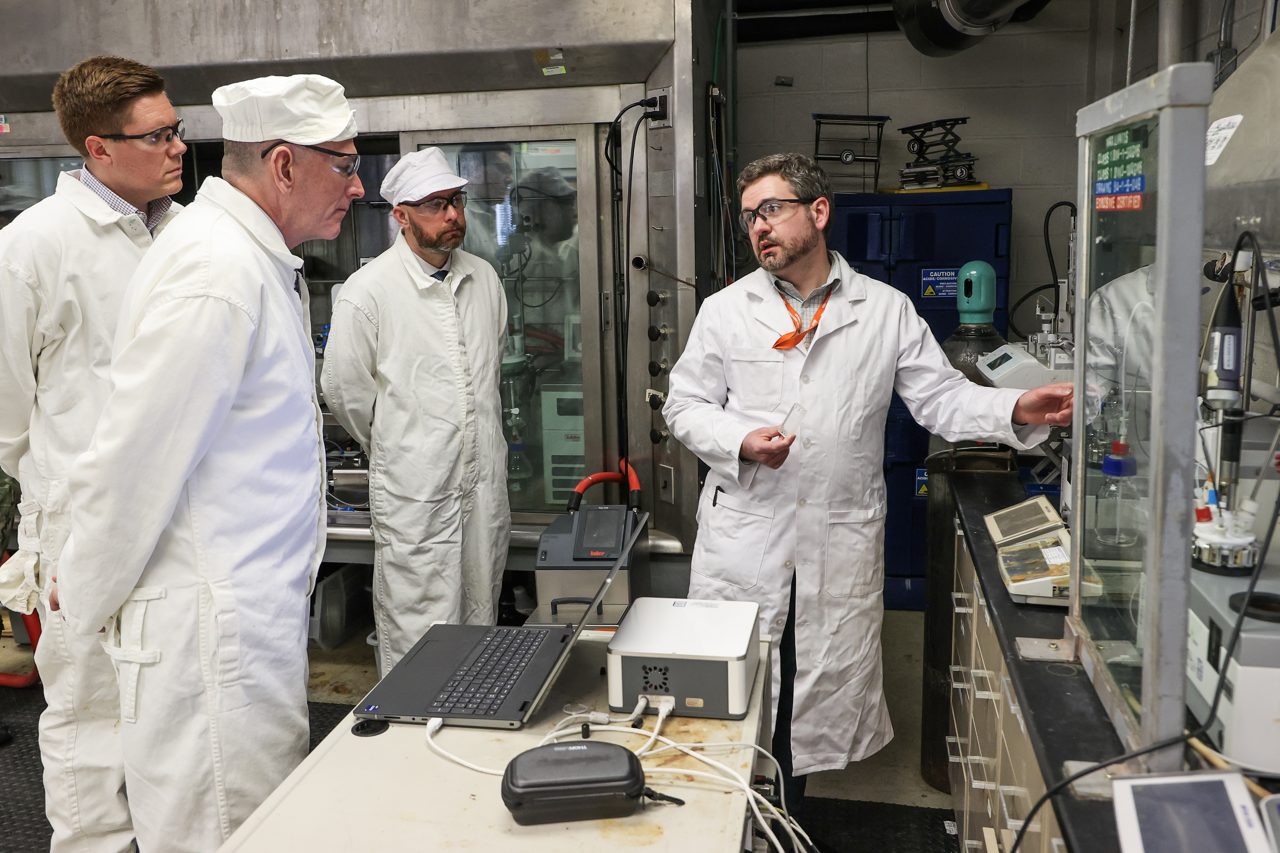
A new Pentagon study reveals deteriorating research infrastructure and severe bureaucratic hurdles are undermining the United States' ability to deliver advanced defense technologies, raising concerns for European allies dependent on American military innovation.
A new Pentagon study concludes that the research infrastructure underpinning American defense technology is deteriorating, undermining the military's technical edge. The Office of the Under Secretary of Defense for Research and Engineering released the findings on Wednesday after visiting 30 sites, or about one-third of the defense research enterprise.
The report found the enterprise “is fundamentally sound” but “needs to rapidly adapt to a new environment moving at the accelerating pace of commercial technology.” Modernization is stalling because authorized military construction projects “continually slip due to the services’ reprioritizing of scarce MILCON funds toward other operationally relevant priorities.”
This decay has direct implications for European tech firms and defense contractors. The Pentagon’s “vast intellectual property remains underutilized due to passive marketing and the lack of a centralized discovery mechanism.” Furthermore, “current administrative burdens for transition agreements often exceed the funding timelines of startups, hindering innovation and collaboration.”
Internal disorganization worsens the delay in getting new technologies to the field. The department lacks a master list of its specialized facilities, and researchers do not use a common language. A single technical domain might be labeled “Human-Machine Teaming,” “Autonomy and Teaming,” or “AI Agent Development” depending on the facility.
Bureaucracy is slowing the deployment of capabilities that European allies rely on for collective security. The study warns that “The Department’s ability to rapidly transition technologies from knowledge producers to capability fielders is severely degraded by structural and cultural barriers, specifically bureaucratic stovepipes, fragmented funding streams, and misaligned mechanisms, authorities, and incentives.”
The report cites China’s investment scale as the catalyst for American reform. “China has solidified its civil-military fusion model and is investing on a scale and at a pace that requires the United States to develop a new Government-industry paradigm,” one that leverages outside academic and industrial partnerships.
To fix the problem, the study advises against closing labs, recommending instead to fix the flow of authority and funding. It suggests easing lab refurbishment budgets, using AI to process backlogged security clearances, and creating a searchable database for department intellectual property.